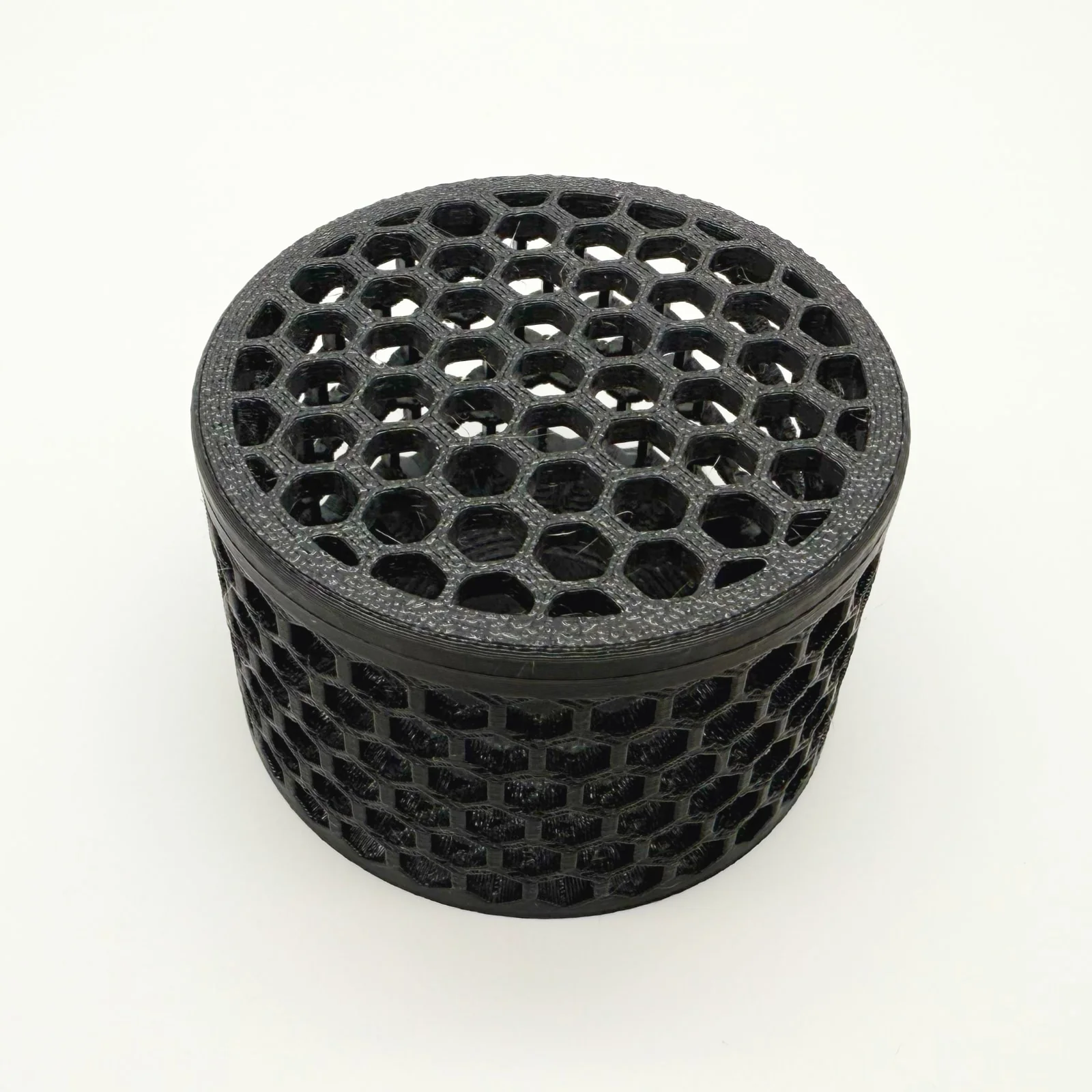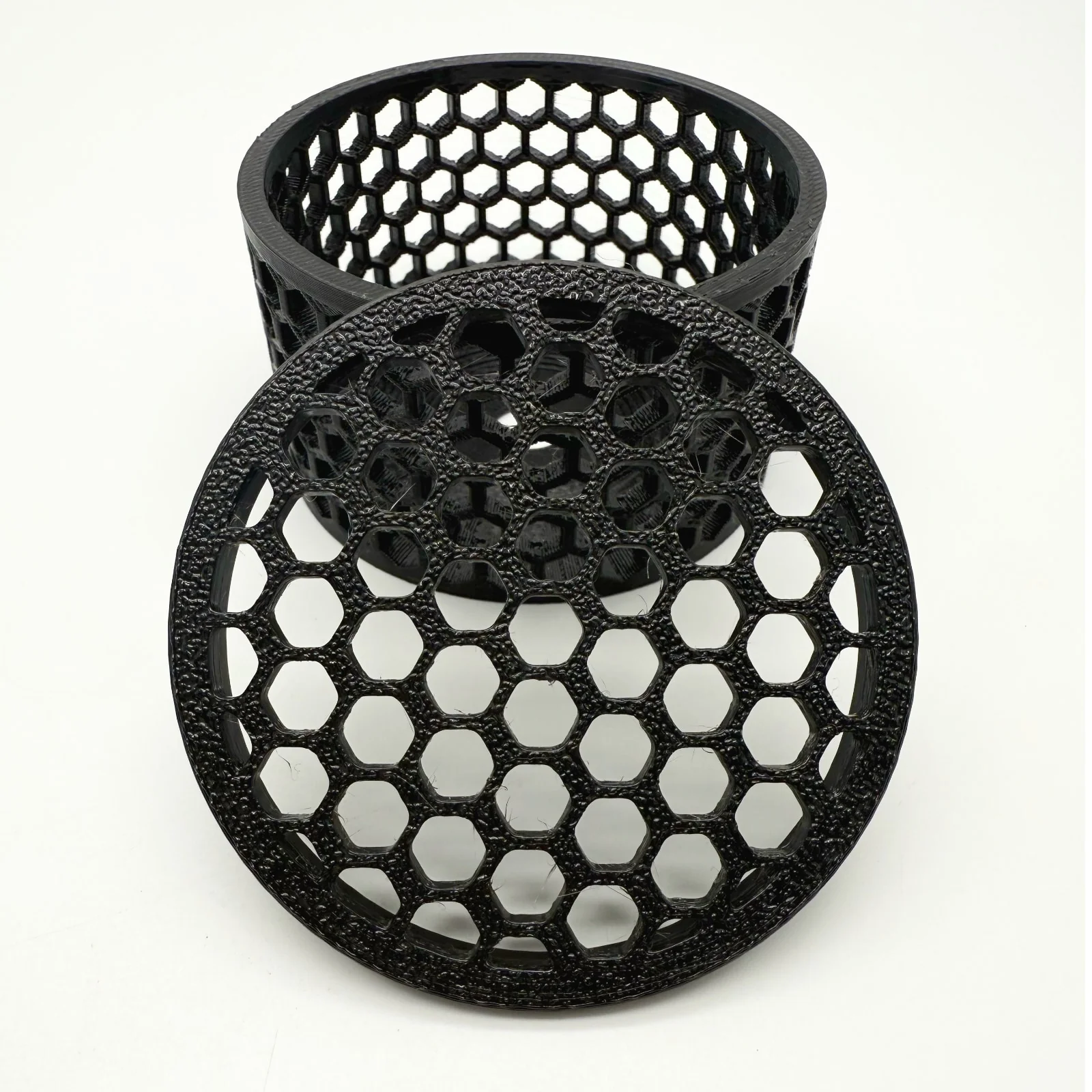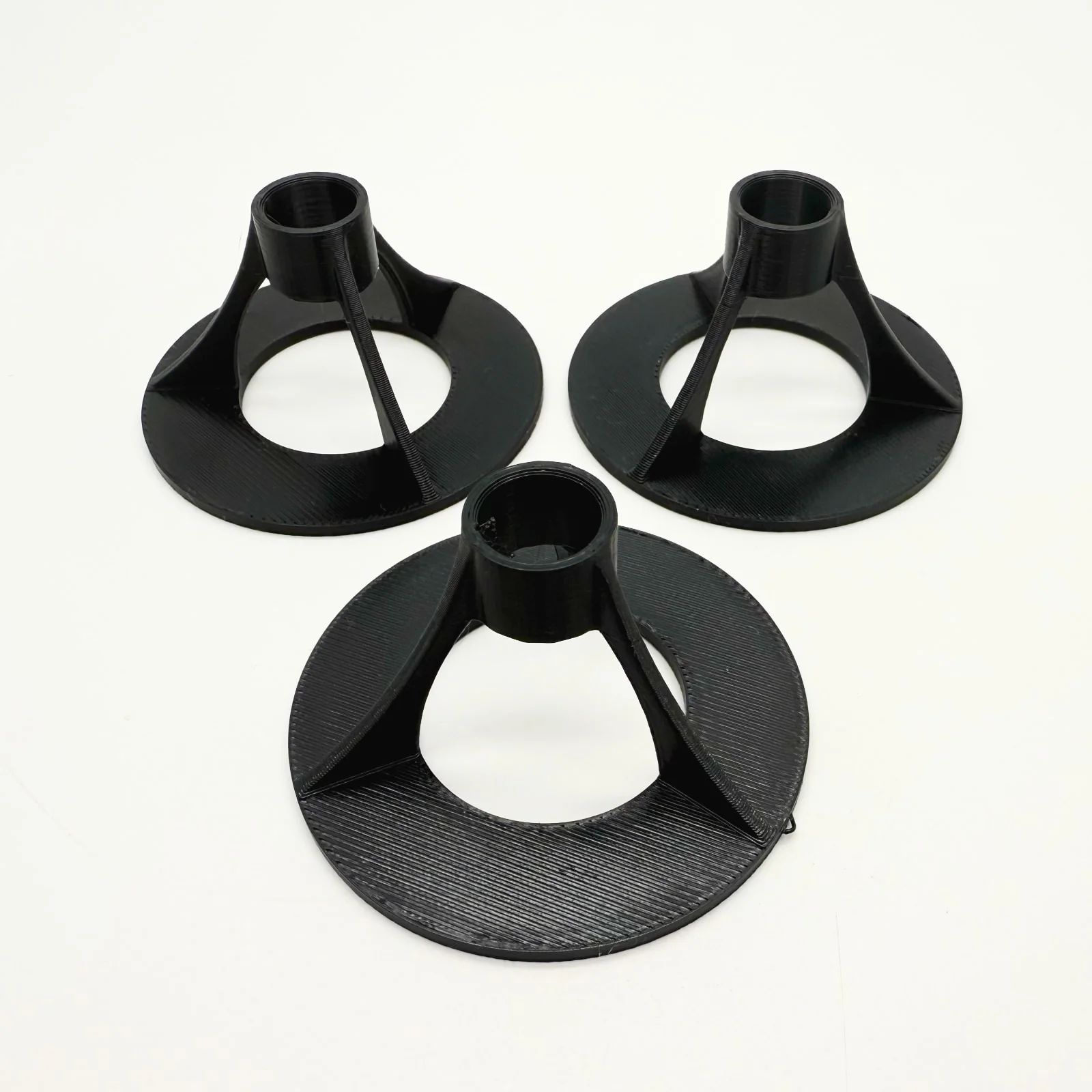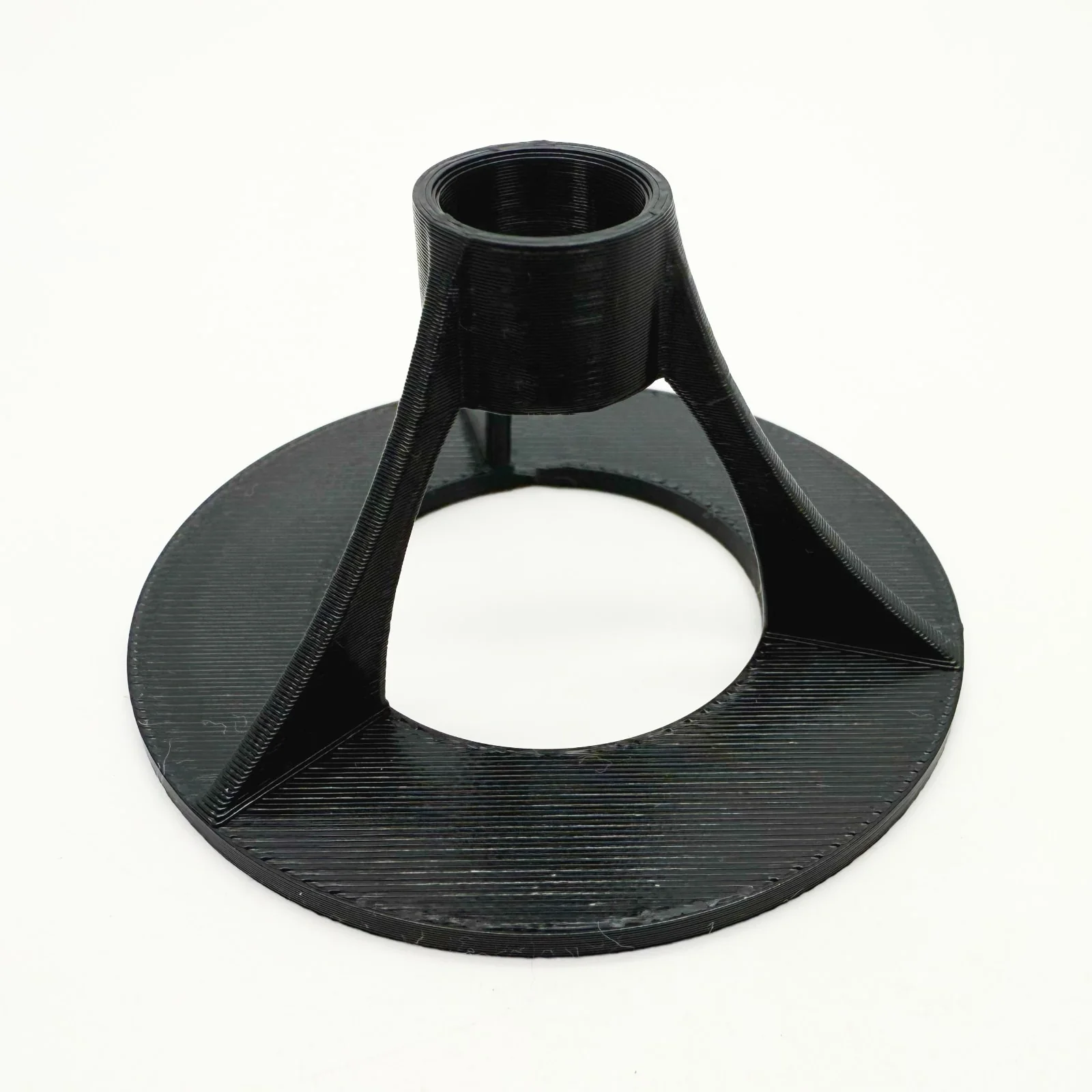
Floating Fish Feeding Rings – 3D Printed PETG (3-Pack)
Fish Feeding Rings – Keep Floating Food Contained
You drop food into your reef and watch half of it drift straight into the overflow before your fish get a look in. The timid ones hang back, the dominant fish grab everything near the surface, and the food you carefully measured ends up as nitrate rather than nutrition.
Surface feeding in a reef tank is harder to control than it should be. Without a designated feeding zone, flakes and pellets scatter on the current, filter intake pulls them under before fish can reach them, and shy or slow-feeding species never compete effectively. Over time the water quality suffers and the fish that need feeding most eat the least.
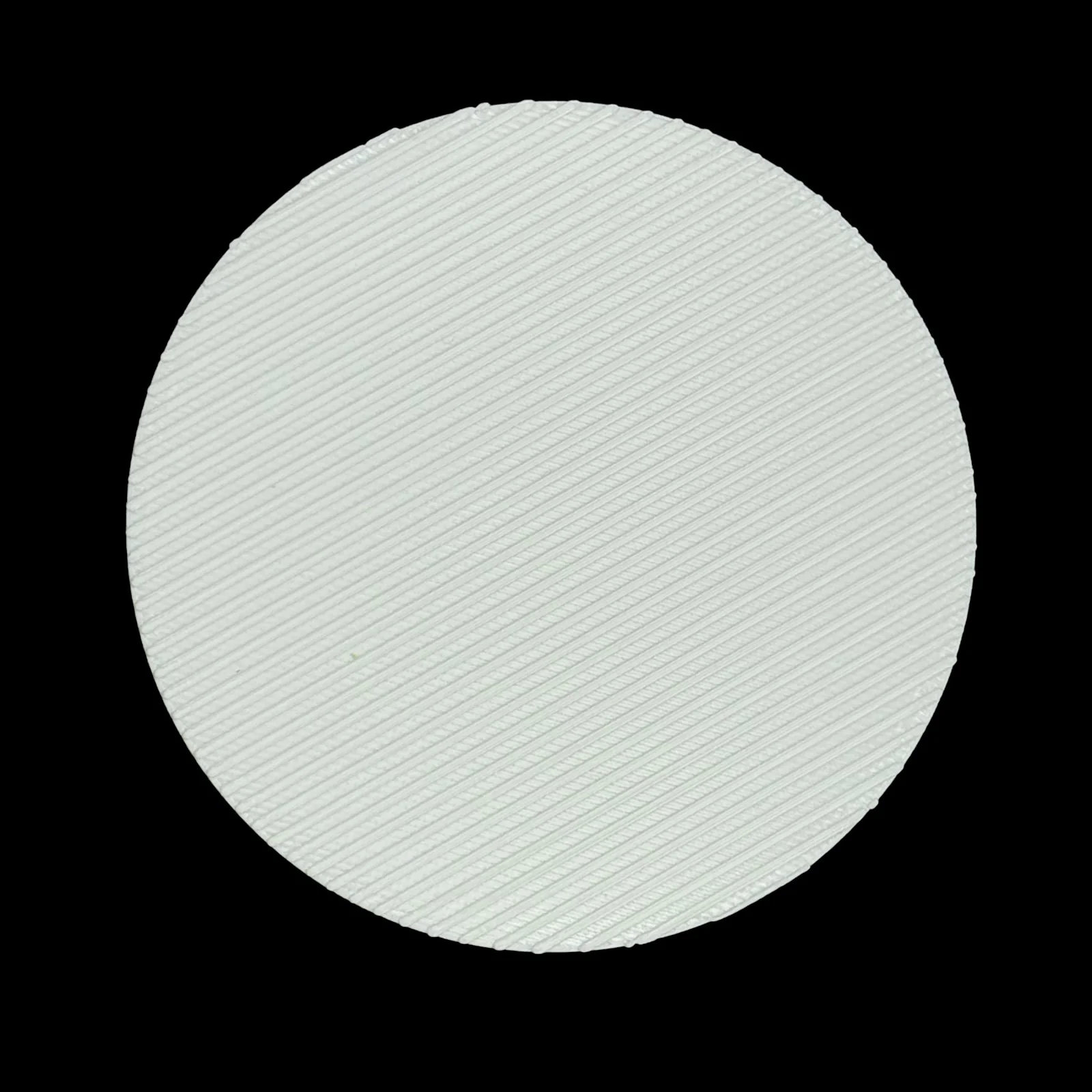
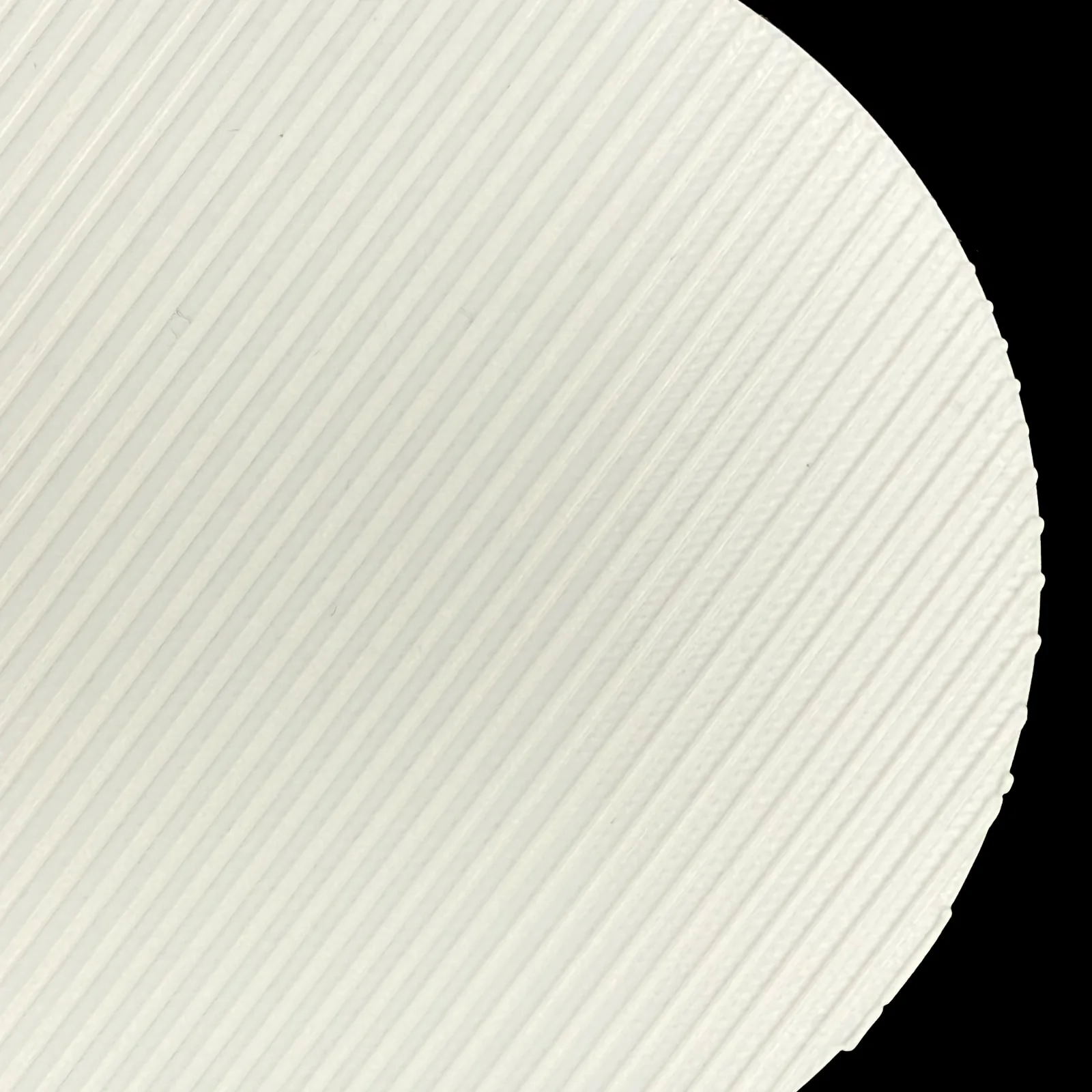
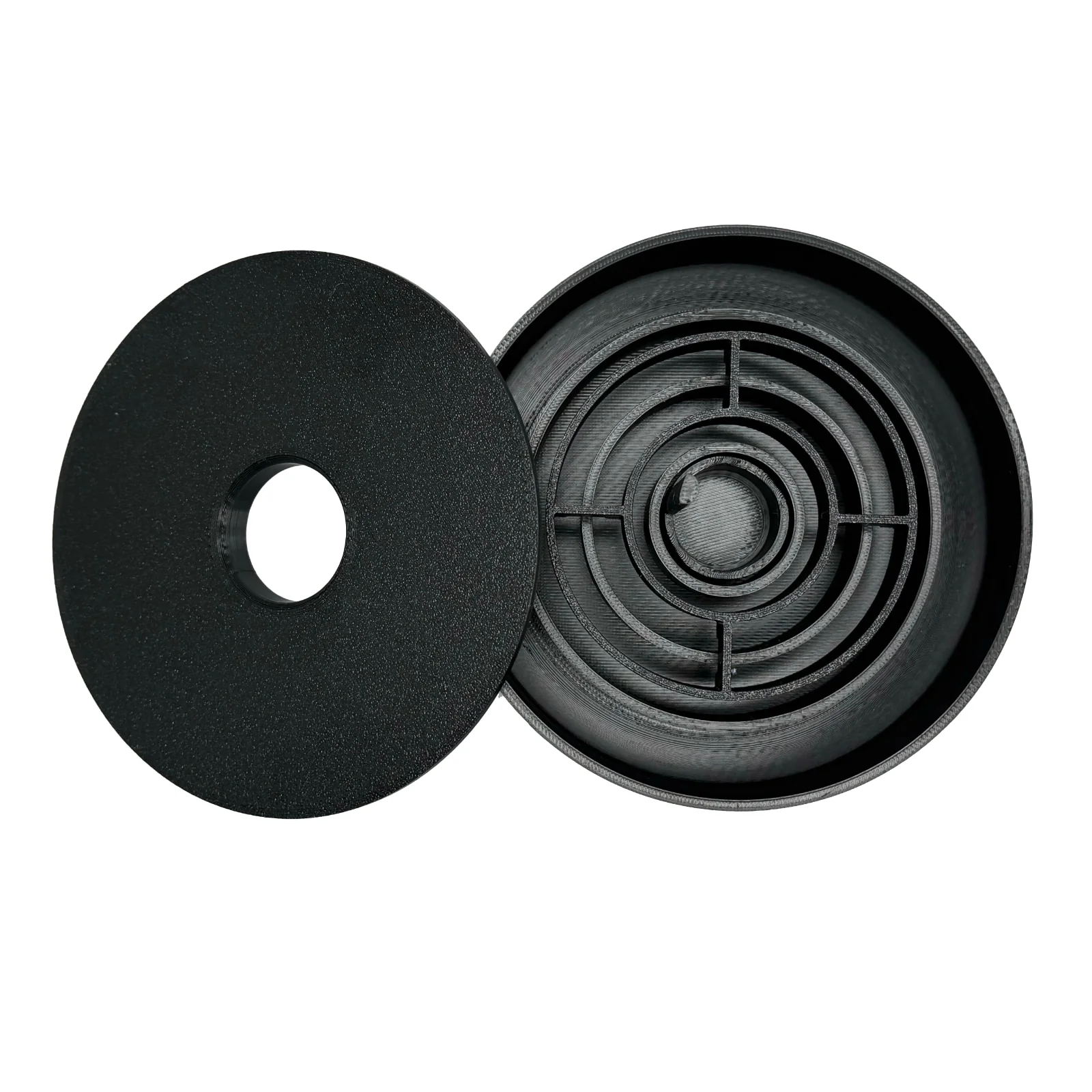
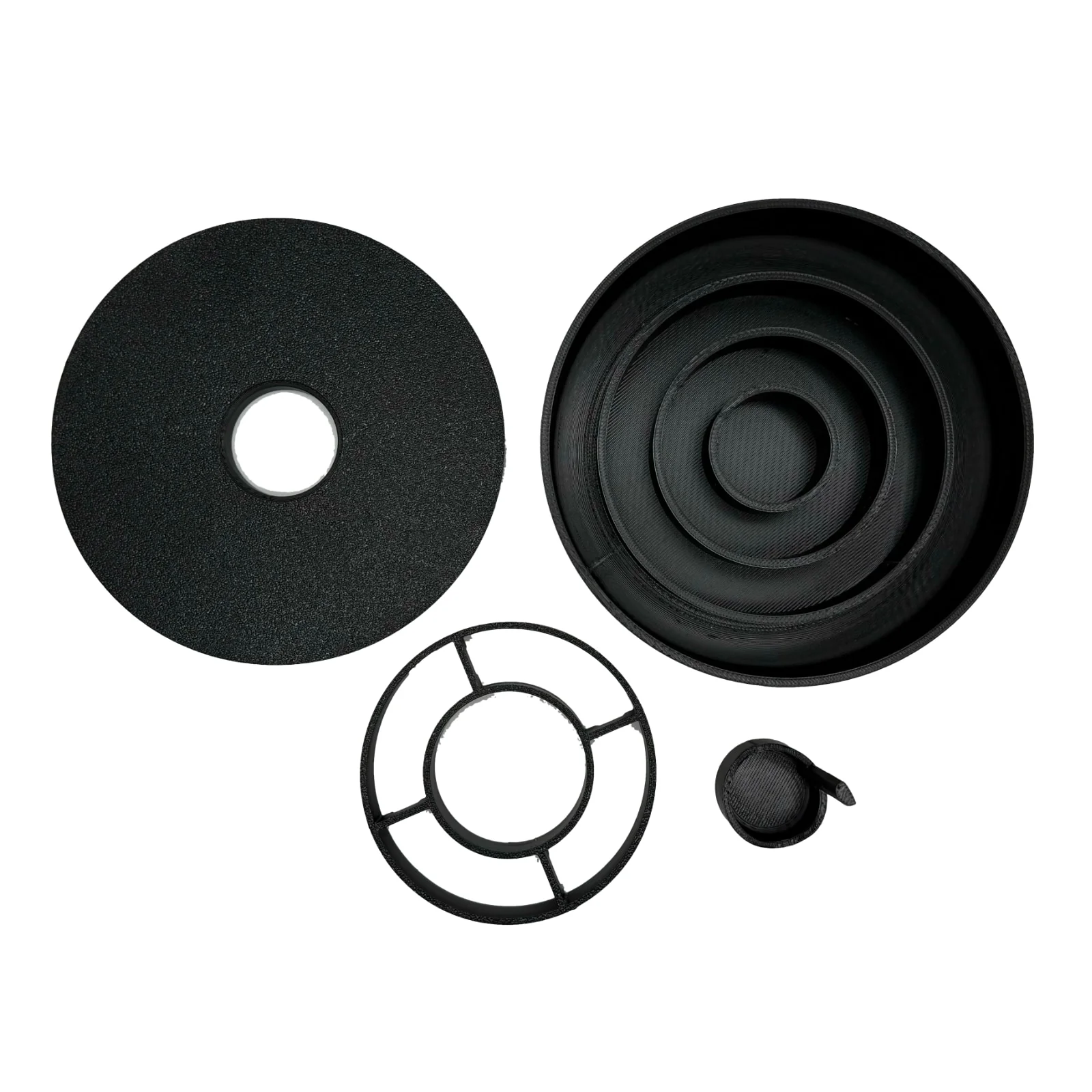
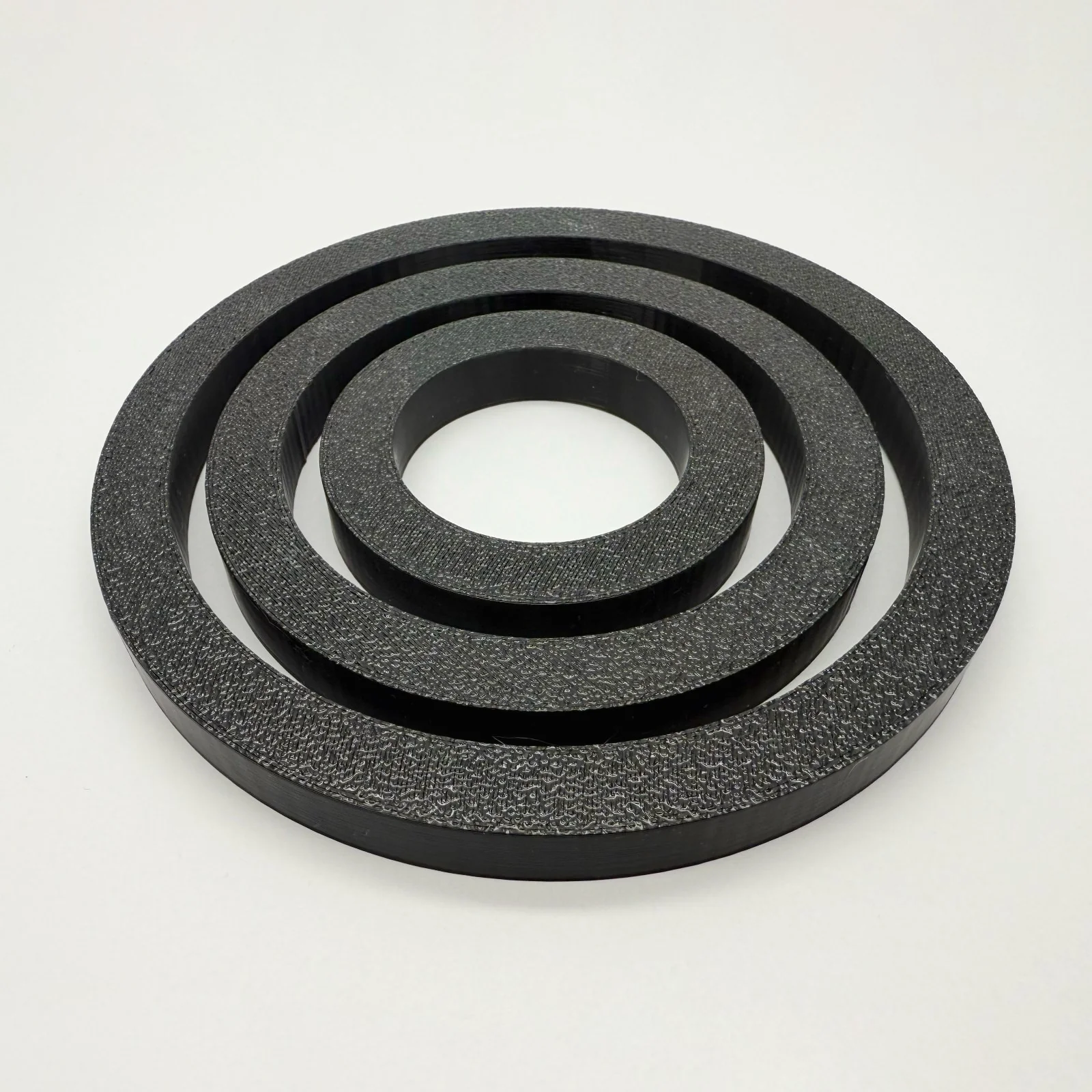
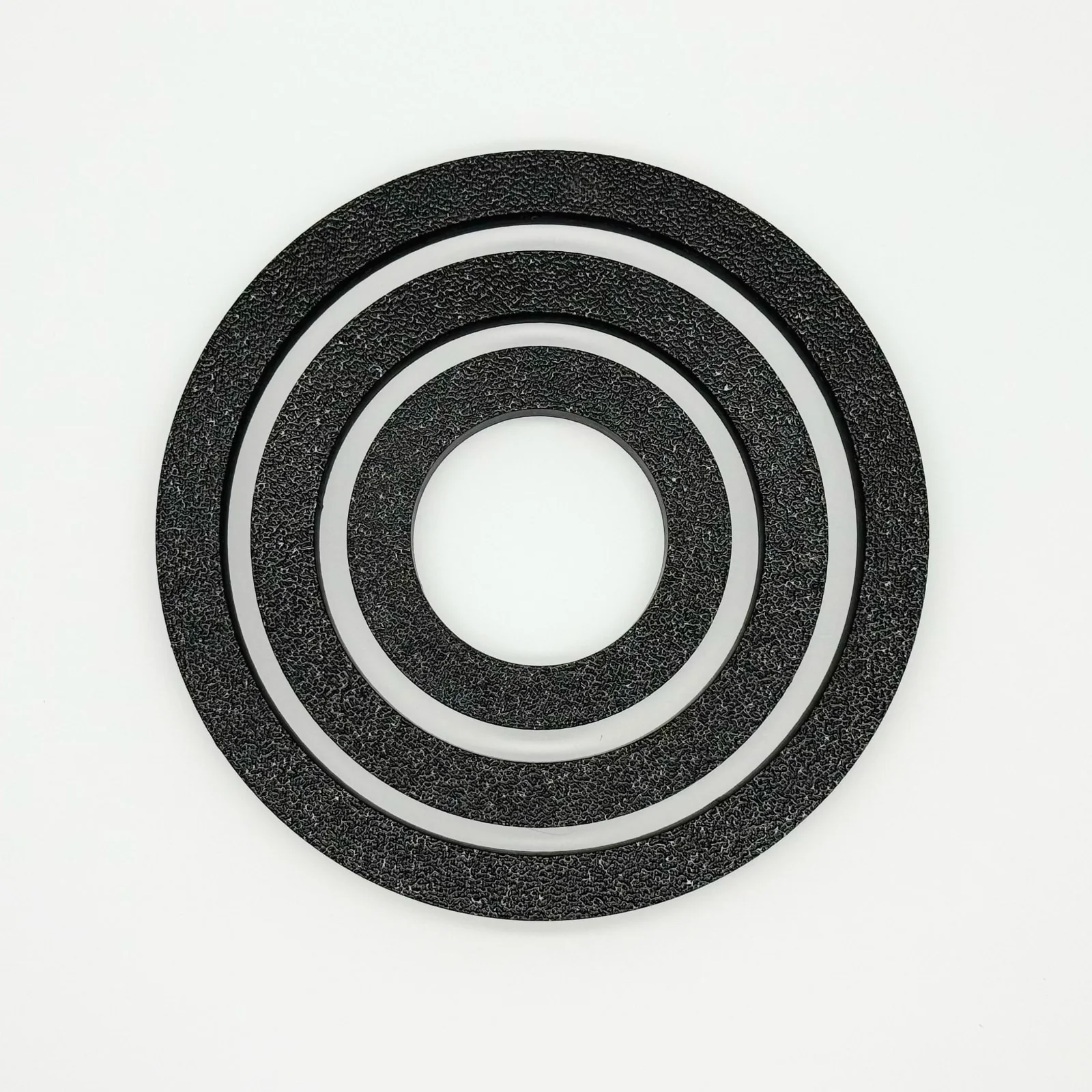
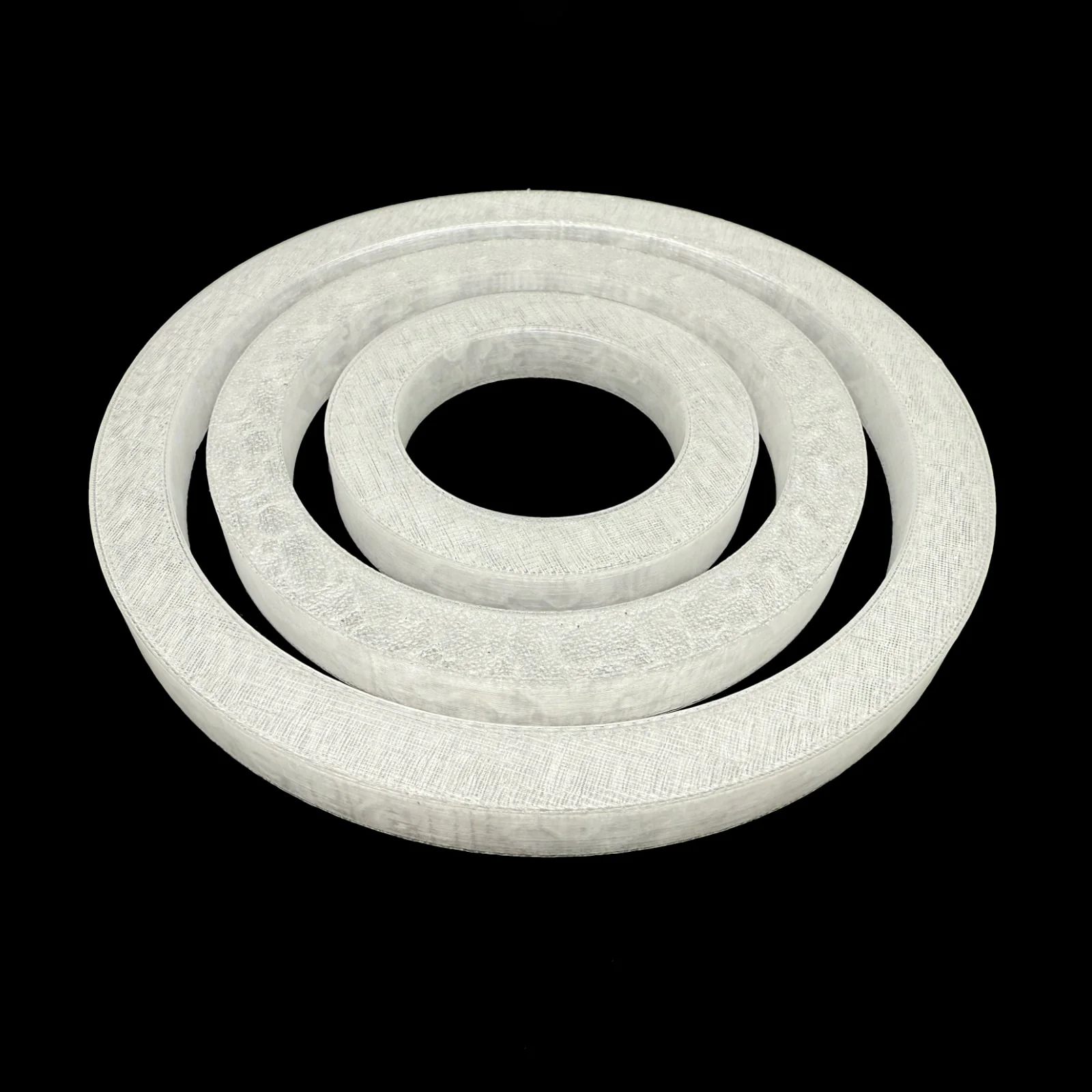
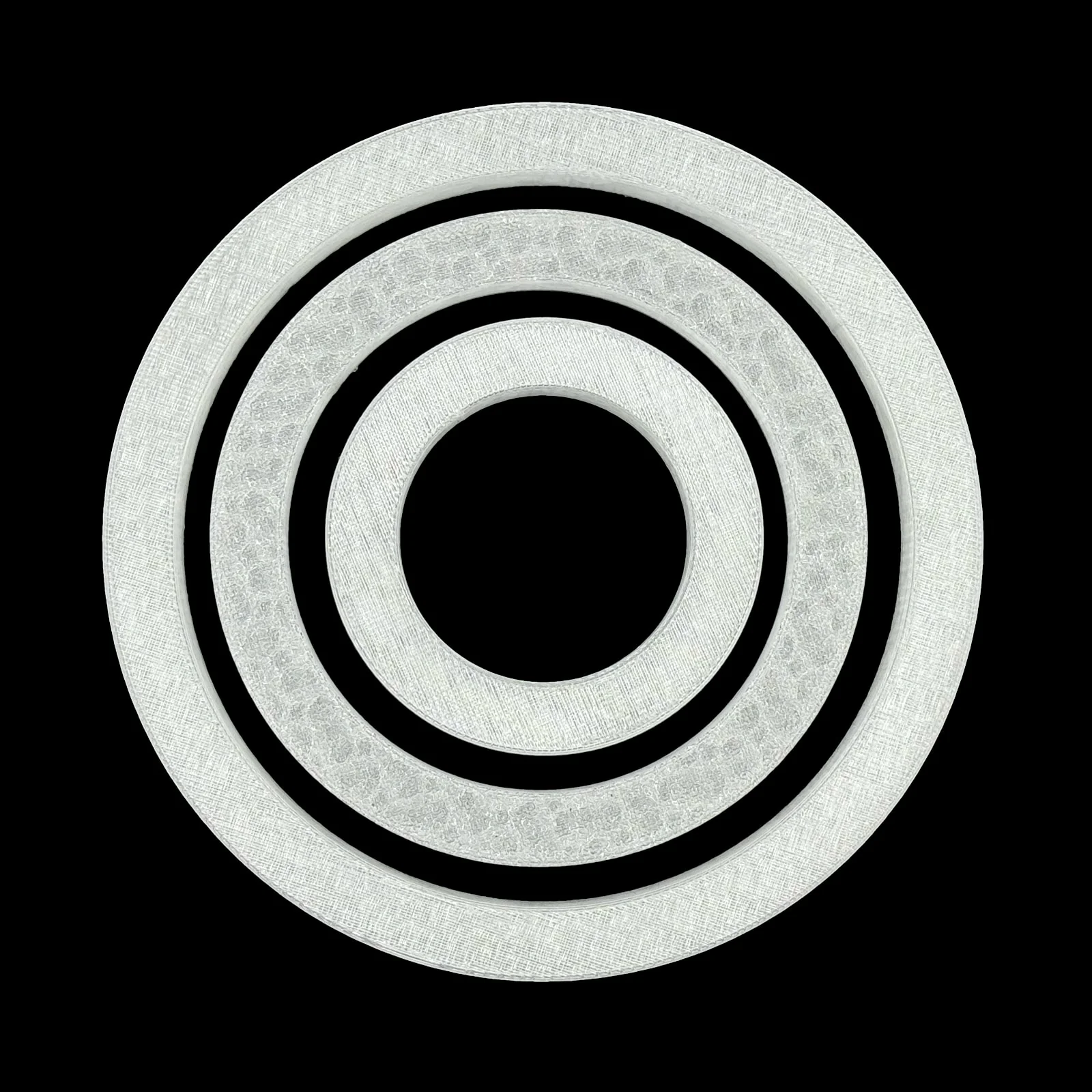
The Reefphyto Floating Fish Feeding Rings are 3D printed in reef-safe PETG and supplied as a pack of three in graduated sizes: 120mm, 90mm, and 60mm outer diameter. Float one or all three at the surface to create a contained feeding zone where food stays concentrated and visible long enough for every fish to get its share.
With a defined feeding spot your fish learn quickly where food appears. Timid eaters come to the surface with confidence, surface food stays where you put it rather than disappearing into the system, and each feeding session becomes genuinely controlled rather than a guessing game about how much was actually eaten.
At Reefphyto we design and print our reef tools from our facility in Wales using the same standards we apply to everything that goes near a live system. Darren has been keeping and breeding marine fish for over 16 years and tools like these come from direct experience of the problems reef keepers face every feeding time.
If you are tired of watching good food disappear before it reaches the fish that need it, these are the simplest fix you will make to your feeding routine.
Feeding a reef tank sounds simple until you actually watch what happens. Food hits the surface and within seconds the current has carried half of it toward the overflow. Dominant fish patrol the top while shyer species hang back. Surface skimmers pull down anything that lingers too long. The fish you are most concerned about, the ones that are slow, timid, or recovering, are often the last to eat and the first to decline.
A floating feeding ring is one of the oldest and most effective solutions in fishkeeping. It works because it is simple: food dropped inside the ring stays inside the ring. The current cannot carry it away. The filter cannot pull it under before the fish arrive. Every fish in the tank learns quickly where feeding happens and comes to that spot at mealtimes.
The Reefphyto Floating Fish Feeding Rings are 3D printed in reef-safe PETG at our Welsh facility and supplied as a pack of three in graduated sizes so you can match the ring to your feeding style and tank size.
What Is Included in the 3-Pack
Each pack contains three rings in graduated sizes. The largest ring has an outer diameter of approximately 120mm, the middle ring approximately 90mm, and the smallest approximately 60mm. This gives you options depending on how much surface area you want to dedicate to feeding and how many fish you are managing at once.
Use all three nested together to create a larger confined zone, or use a single ring for precise targeted feeding. The smallest 60mm ring is particularly useful for feeding individual fish, targeted spot feeding for shy specimens, or use in nano tanks and small compartments.
Why PETG for Aquarium Use
Not all plastics are safe in a reef environment, and this matters more than most hobbyists realise. PETG is the material we use across our entire 3D printed range because it is chemically inert in both freshwater and saltwater, does not leach plasticisers or additives into the water column, withstands the temperature range of a typical reef tank without warping, and holds its structure and buoyancy characteristics over long-term use.
Some cheaper floating rings on the market are made from unspecified plastics or foam materials. In a reef system with sensitive corals and invertebrates, the material going into the water matters. Everything we print at Reefphyto is made to the same standard we apply to our culture equipment.
The Feeding Problems These Rings Solve
There are several distinct problems that a floating feeding ring addresses in a reef or community tank.
Food waste and water quality are connected. Uneaten food that gets pulled into the sump or filter system breaks down and contributes to ammonia and nitrate loading. In a reef tank where parameters need to be tight, every bit of uneaten food is a water quality problem waiting to happen. Containing surface food so fish can actually eat it before it escapes is one of the simplest ways to improve water quality over time.
Feeding competition is real in reef tanks. In a tank with mixed species, dominant fish often claim the surface feeding zone entirely, leaving slower or shyer species to compete for scraps. A dedicated feeding ring focuses activity to a specific spot, which actually makes it easier for multiple fish to orient toward food at the same time rather than competing across the whole tank surface.
Training fish to a feeding spot has long-term benefits for health monitoring. When you know exactly where your fish come to feed, you can observe every individual at mealtimes, notice changes in appetite quickly, and spot health issues early before they become serious.
Which Fish Benefit Most
Floating feeding rings are particularly useful for tanks containing surface feeders like chromis and anthias, shy or newly introduced fish that need time to establish feeding confidence, slow eaters in tanks with faster or more aggressive feeders, nano tank species where food disappearing into a small sump is a constant problem, and any situation where you want to monitor individual fish feeding behaviour closely.
They are less necessary for tanks where all fish feed mid-water or from the substrate, but in a mixed reef where you are managing multiple species with different feeding behaviours, a ring gives you real control over how food is distributed.
Part of the Reefphyto 3D Printed Tool Range
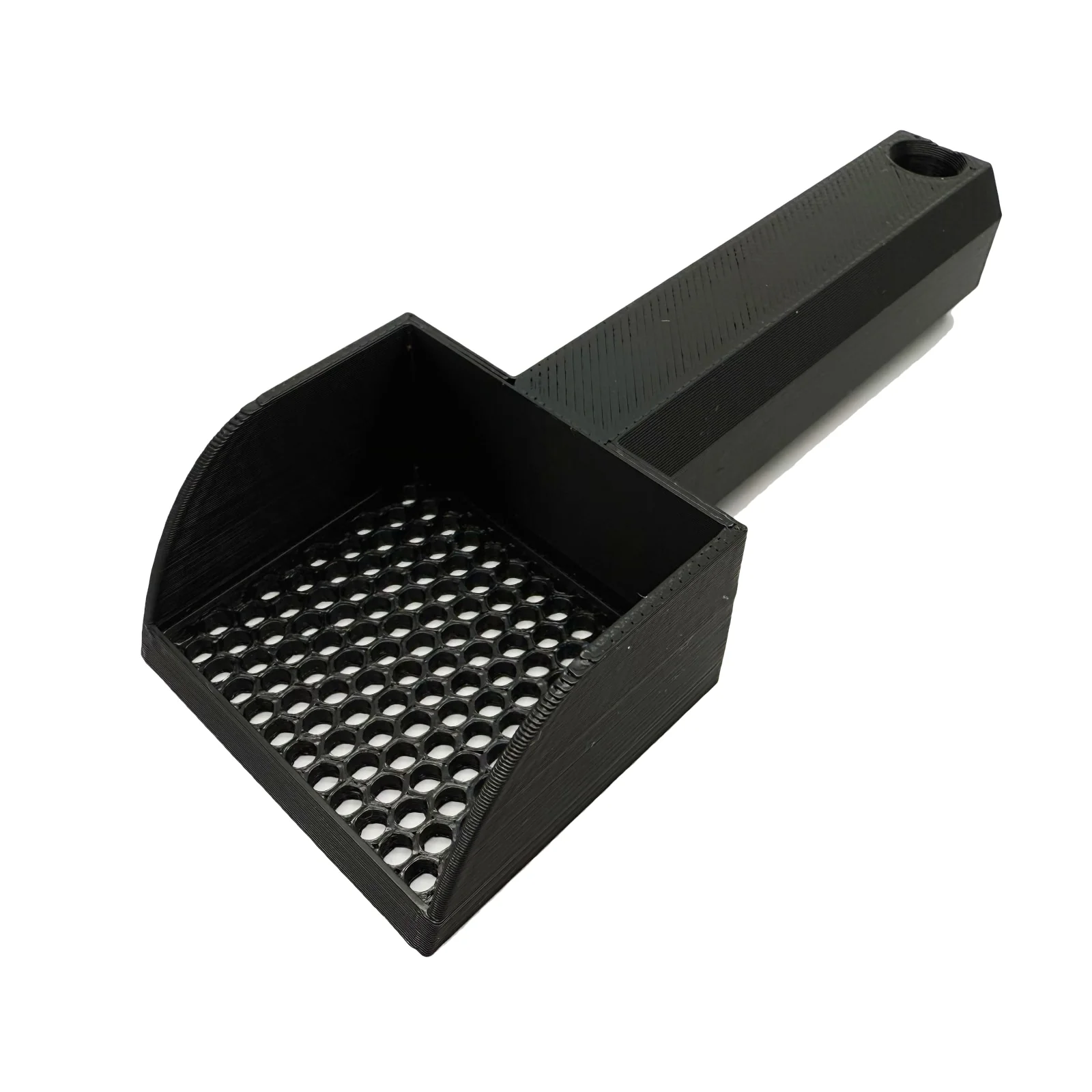
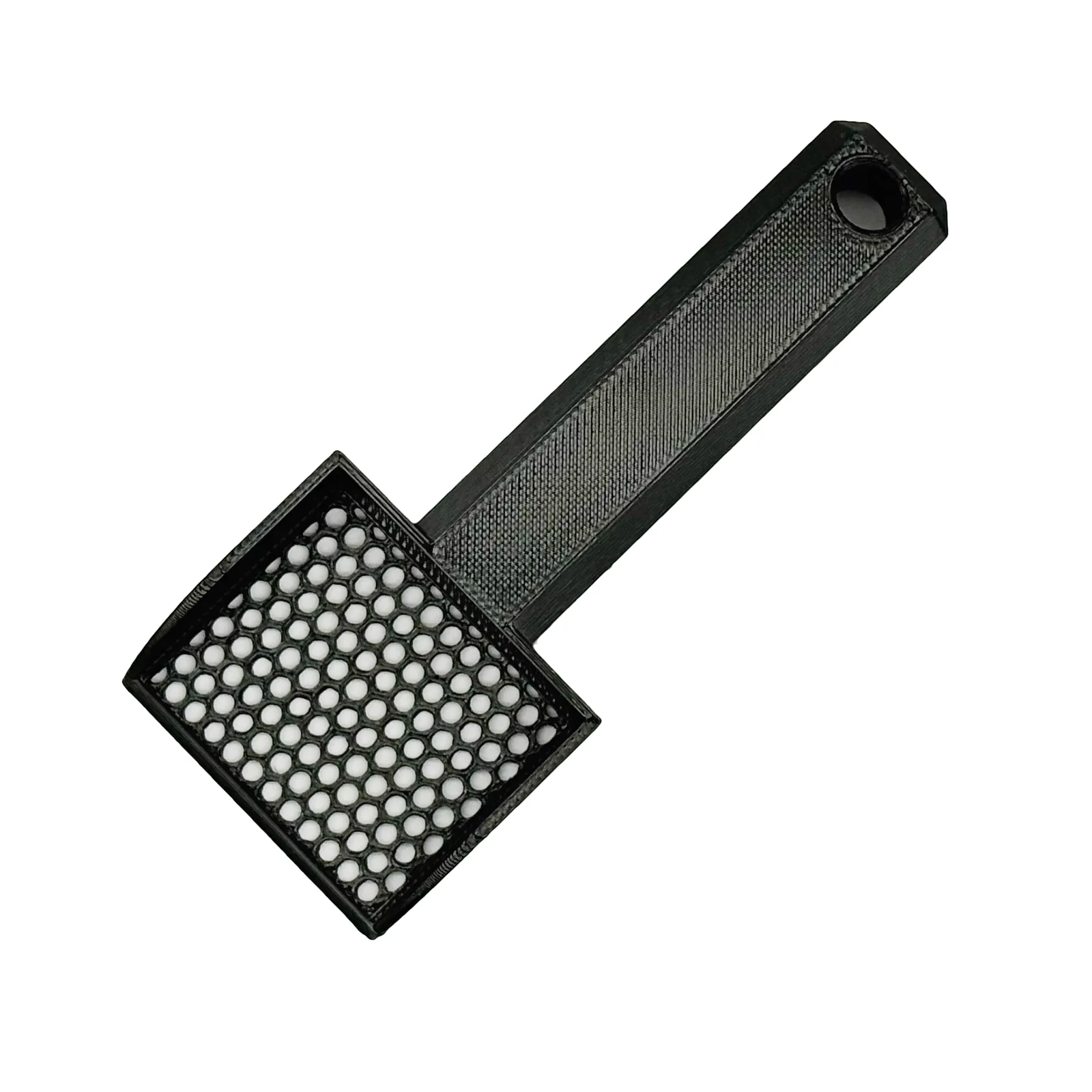
The Floating Fish Feeding Rings are part of a growing range of 3D printed reef and culture tools designed and produced at our Welsh facility. Other tools in the range include PodHide copepod shelters and breeding stations, coral frag racks in multiple configurations, mushroom baskets, mini sand sieves, and culture containers in 4, 10, and 20 litre sizes. Every tool is designed around real problems encountered in a working marine aquaculture facility.
Frequently Asked Questions
Do the rings float reliably long-term? Yes. PETG maintains its buoyancy characteristics over time and does not become waterlogged or degrade in saltwater. The rings are designed to float consistently.
Can I use these in a reef tank with corals? Yes. The rings float at the surface and do not interact with corals or substrate. PETG is chemically safe in a reef environment.
Do they come with a tether or anchor? The rings float freely. If you want to fix their position, a small piece of airline tubing or monofilament can be attached to keep them in a preferred corner or feeding spot.
Are they suitable for nano tanks? Yes, especially the 60mm ring which fits comfortably in smaller tanks and compartments.
How do I clean them? Rinse under RO or freshwater after use. A soft cloth or brush removes any algae or film that builds up over time.
Original: $10.61
-70%$10.61
$3.18Product Information
Product Information
Shipping & Returns
Shipping & Returns
Description
Fish Feeding Rings – Keep Floating Food Contained
You drop food into your reef and watch half of it drift straight into the overflow before your fish get a look in. The timid ones hang back, the dominant fish grab everything near the surface, and the food you carefully measured ends up as nitrate rather than nutrition.
Surface feeding in a reef tank is harder to control than it should be. Without a designated feeding zone, flakes and pellets scatter on the current, filter intake pulls them under before fish can reach them, and shy or slow-feeding species never compete effectively. Over time the water quality suffers and the fish that need feeding most eat the least.
The Reefphyto Floating Fish Feeding Rings are 3D printed in reef-safe PETG and supplied as a pack of three in graduated sizes: 120mm, 90mm, and 60mm outer diameter. Float one or all three at the surface to create a contained feeding zone where food stays concentrated and visible long enough for every fish to get its share.
With a defined feeding spot your fish learn quickly where food appears. Timid eaters come to the surface with confidence, surface food stays where you put it rather than disappearing into the system, and each feeding session becomes genuinely controlled rather than a guessing game about how much was actually eaten.
At Reefphyto we design and print our reef tools from our facility in Wales using the same standards we apply to everything that goes near a live system. Darren has been keeping and breeding marine fish for over 16 years and tools like these come from direct experience of the problems reef keepers face every feeding time.
If you are tired of watching good food disappear before it reaches the fish that need it, these are the simplest fix you will make to your feeding routine.
Feeding a reef tank sounds simple until you actually watch what happens. Food hits the surface and within seconds the current has carried half of it toward the overflow. Dominant fish patrol the top while shyer species hang back. Surface skimmers pull down anything that lingers too long. The fish you are most concerned about, the ones that are slow, timid, or recovering, are often the last to eat and the first to decline.
A floating feeding ring is one of the oldest and most effective solutions in fishkeeping. It works because it is simple: food dropped inside the ring stays inside the ring. The current cannot carry it away. The filter cannot pull it under before the fish arrive. Every fish in the tank learns quickly where feeding happens and comes to that spot at mealtimes.
The Reefphyto Floating Fish Feeding Rings are 3D printed in reef-safe PETG at our Welsh facility and supplied as a pack of three in graduated sizes so you can match the ring to your feeding style and tank size.
What Is Included in the 3-Pack
Each pack contains three rings in graduated sizes. The largest ring has an outer diameter of approximately 120mm, the middle ring approximately 90mm, and the smallest approximately 60mm. This gives you options depending on how much surface area you want to dedicate to feeding and how many fish you are managing at once.
Use all three nested together to create a larger confined zone, or use a single ring for precise targeted feeding. The smallest 60mm ring is particularly useful for feeding individual fish, targeted spot feeding for shy specimens, or use in nano tanks and small compartments.
Why PETG for Aquarium Use
Not all plastics are safe in a reef environment, and this matters more than most hobbyists realise. PETG is the material we use across our entire 3D printed range because it is chemically inert in both freshwater and saltwater, does not leach plasticisers or additives into the water column, withstands the temperature range of a typical reef tank without warping, and holds its structure and buoyancy characteristics over long-term use.
Some cheaper floating rings on the market are made from unspecified plastics or foam materials. In a reef system with sensitive corals and invertebrates, the material going into the water matters. Everything we print at Reefphyto is made to the same standard we apply to our culture equipment.
The Feeding Problems These Rings Solve
There are several distinct problems that a floating feeding ring addresses in a reef or community tank.
Food waste and water quality are connected. Uneaten food that gets pulled into the sump or filter system breaks down and contributes to ammonia and nitrate loading. In a reef tank where parameters need to be tight, every bit of uneaten food is a water quality problem waiting to happen. Containing surface food so fish can actually eat it before it escapes is one of the simplest ways to improve water quality over time.
Feeding competition is real in reef tanks. In a tank with mixed species, dominant fish often claim the surface feeding zone entirely, leaving slower or shyer species to compete for scraps. A dedicated feeding ring focuses activity to a specific spot, which actually makes it easier for multiple fish to orient toward food at the same time rather than competing across the whole tank surface.
Training fish to a feeding spot has long-term benefits for health monitoring. When you know exactly where your fish come to feed, you can observe every individual at mealtimes, notice changes in appetite quickly, and spot health issues early before they become serious.
Which Fish Benefit Most
Floating feeding rings are particularly useful for tanks containing surface feeders like chromis and anthias, shy or newly introduced fish that need time to establish feeding confidence, slow eaters in tanks with faster or more aggressive feeders, nano tank species where food disappearing into a small sump is a constant problem, and any situation where you want to monitor individual fish feeding behaviour closely.
They are less necessary for tanks where all fish feed mid-water or from the substrate, but in a mixed reef where you are managing multiple species with different feeding behaviours, a ring gives you real control over how food is distributed.
Part of the Reefphyto 3D Printed Tool Range
The Floating Fish Feeding Rings are part of a growing range of 3D printed reef and culture tools designed and produced at our Welsh facility. Other tools in the range include PodHide copepod shelters and breeding stations, coral frag racks in multiple configurations, mushroom baskets, mini sand sieves, and culture containers in 4, 10, and 20 litre sizes. Every tool is designed around real problems encountered in a working marine aquaculture facility.
Frequently Asked Questions
Do the rings float reliably long-term? Yes. PETG maintains its buoyancy characteristics over time and does not become waterlogged or degrade in saltwater. The rings are designed to float consistently.
Can I use these in a reef tank with corals? Yes. The rings float at the surface and do not interact with corals or substrate. PETG is chemically safe in a reef environment.
Do they come with a tether or anchor? The rings float freely. If you want to fix their position, a small piece of airline tubing or monofilament can be attached to keep them in a preferred corner or feeding spot.
Are they suitable for nano tanks? Yes, especially the 60mm ring which fits comfortably in smaller tanks and compartments.
How do I clean them? Rinse under RO or freshwater after use. A soft cloth or brush removes any algae or film that builds up over time.