Reefphyto PodHide – Reef Tank Copepod Shelter & Breeding Station
Reefphyto PodHide – Reef Tank Copepod Shelter & Breeding Station
You added copepods three weeks ago. The mandarin hunted well for a few days. The wrasse picked through the rockwork with obvious interest. Then the activity slowed, the hunting behaviour became more searching and less finding, and the population that was supposed to be establishing itself had instead been consumed faster than it could reproduce. You are back where you started, weighing up whether to order again.
The problem is not the copepods. It is the ratio between predation pressure and reproduction rate. In an active reef tank with wrasses, anthias, or a mandarin in residence, that ratio is almost always unfavourable to the copepod. The fish are efficient hunters and the copepods have nowhere to retreat to breed in safety. Without protected space to reproduce, even a generous initial seeding is a temporary feeding event rather than the beginning of a self-sustaining population.
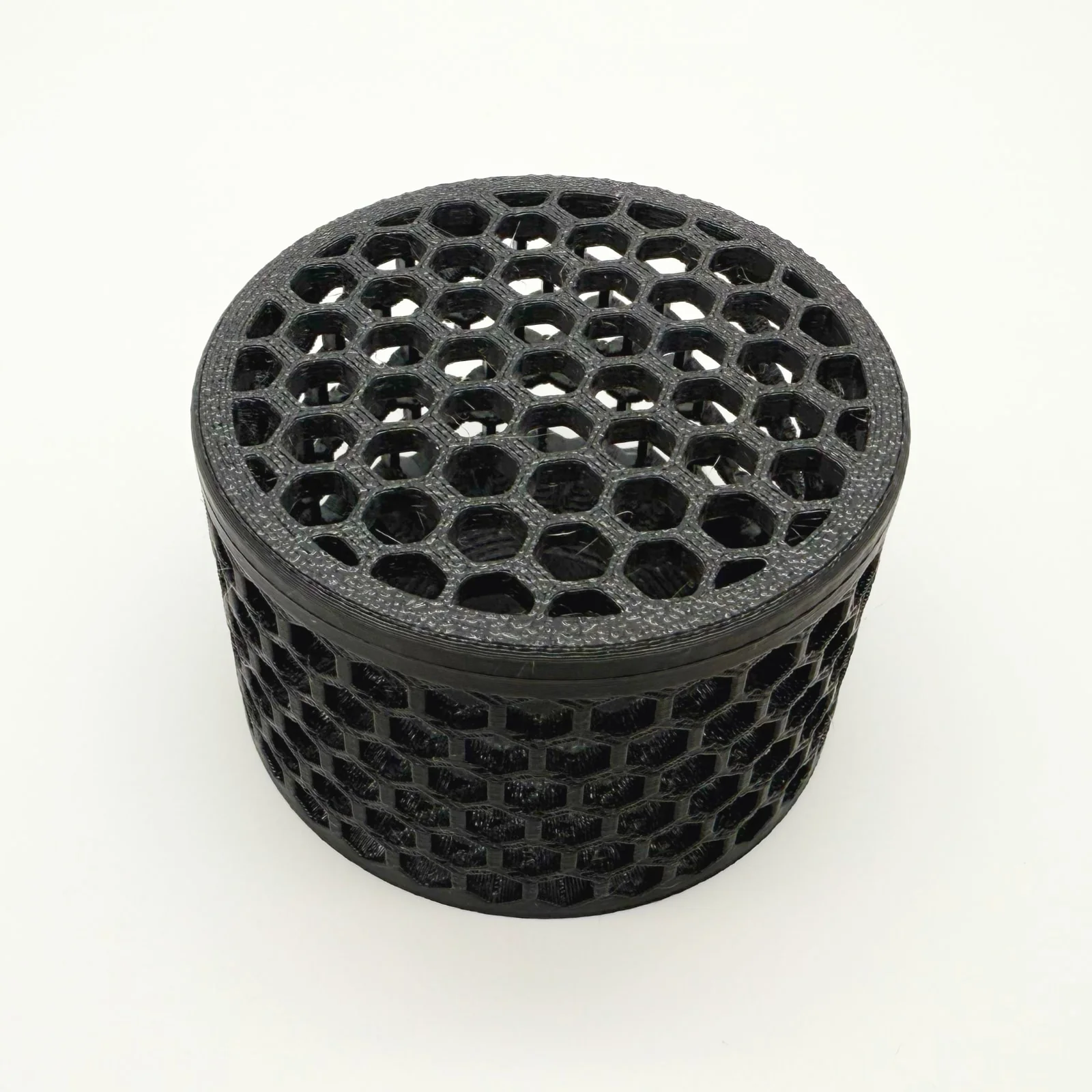
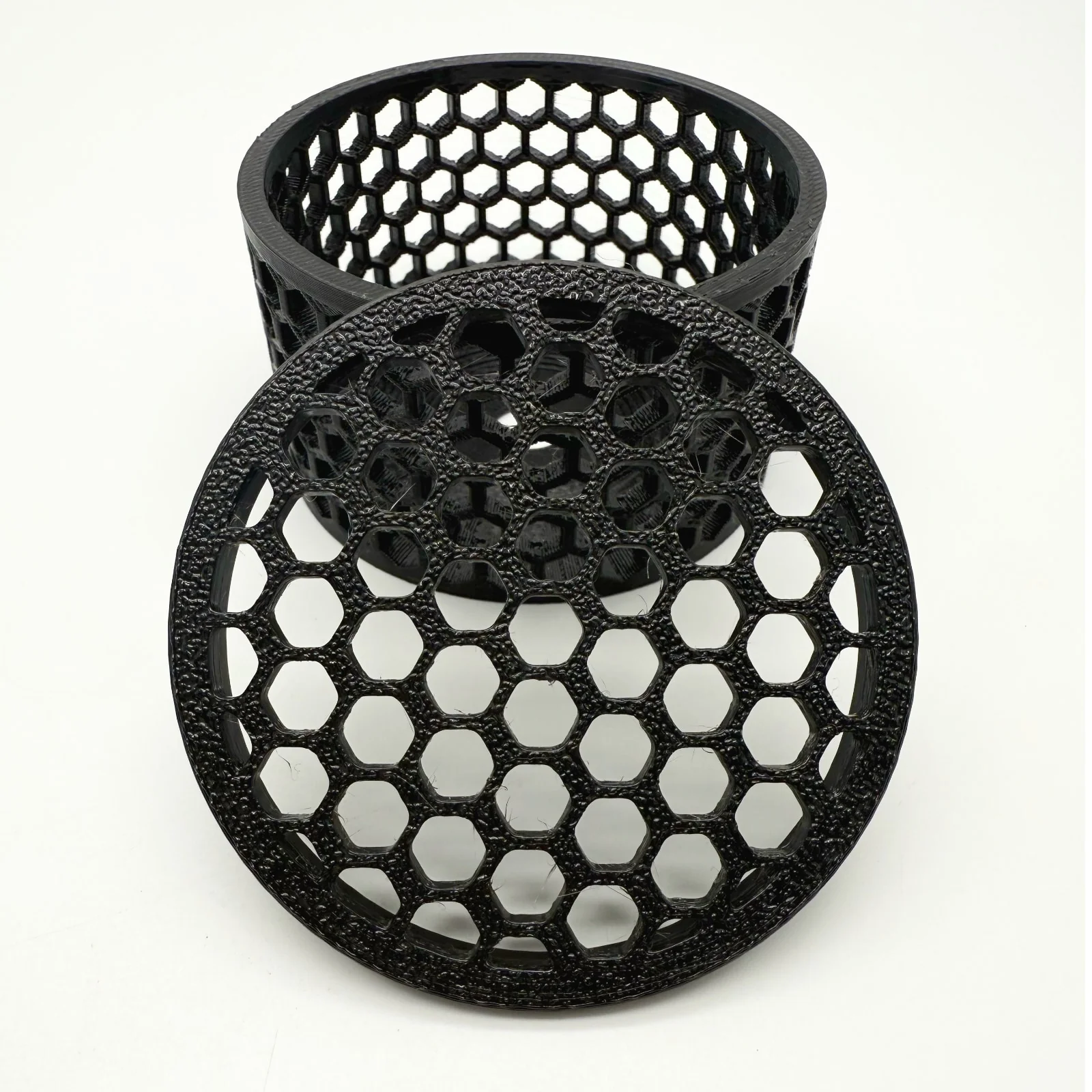
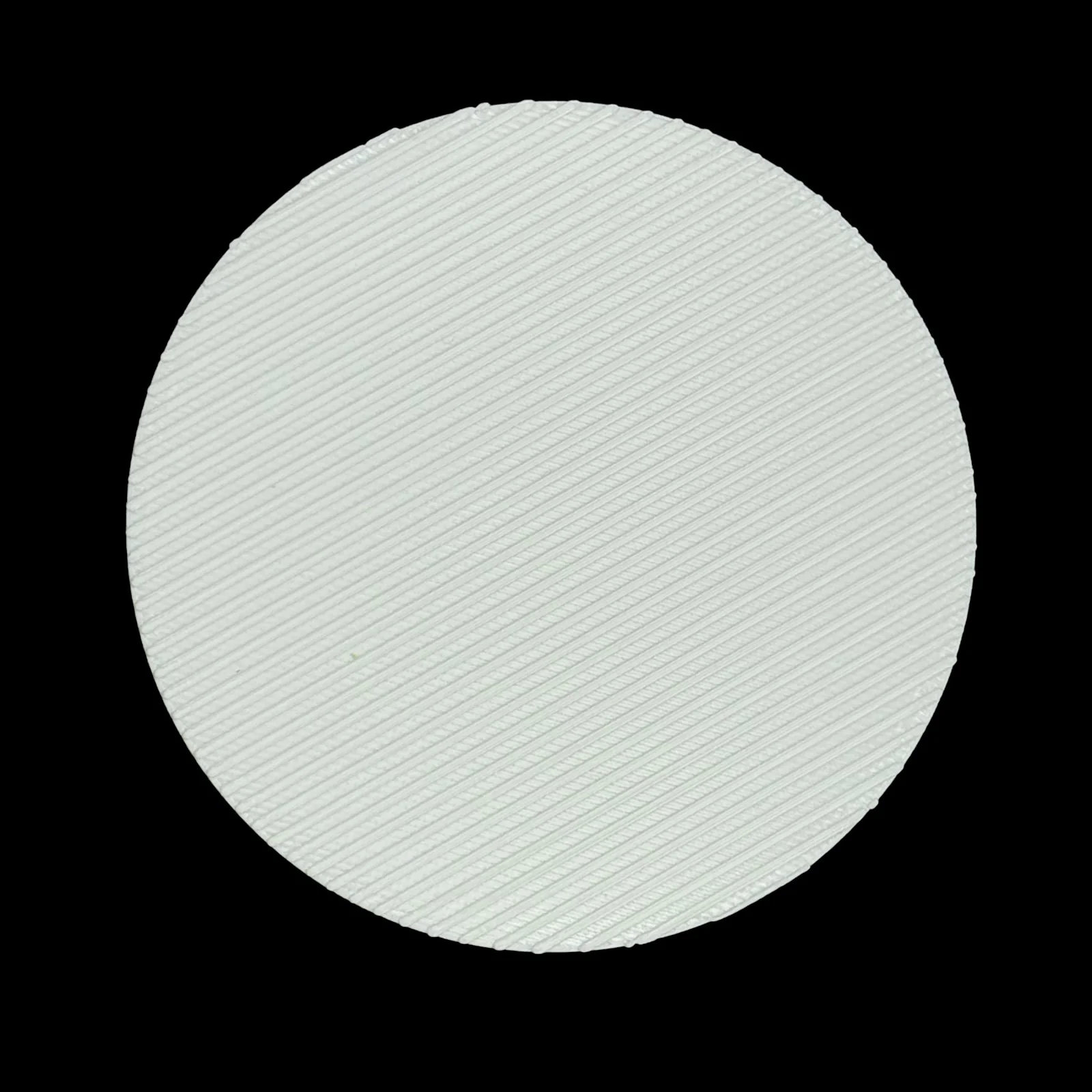
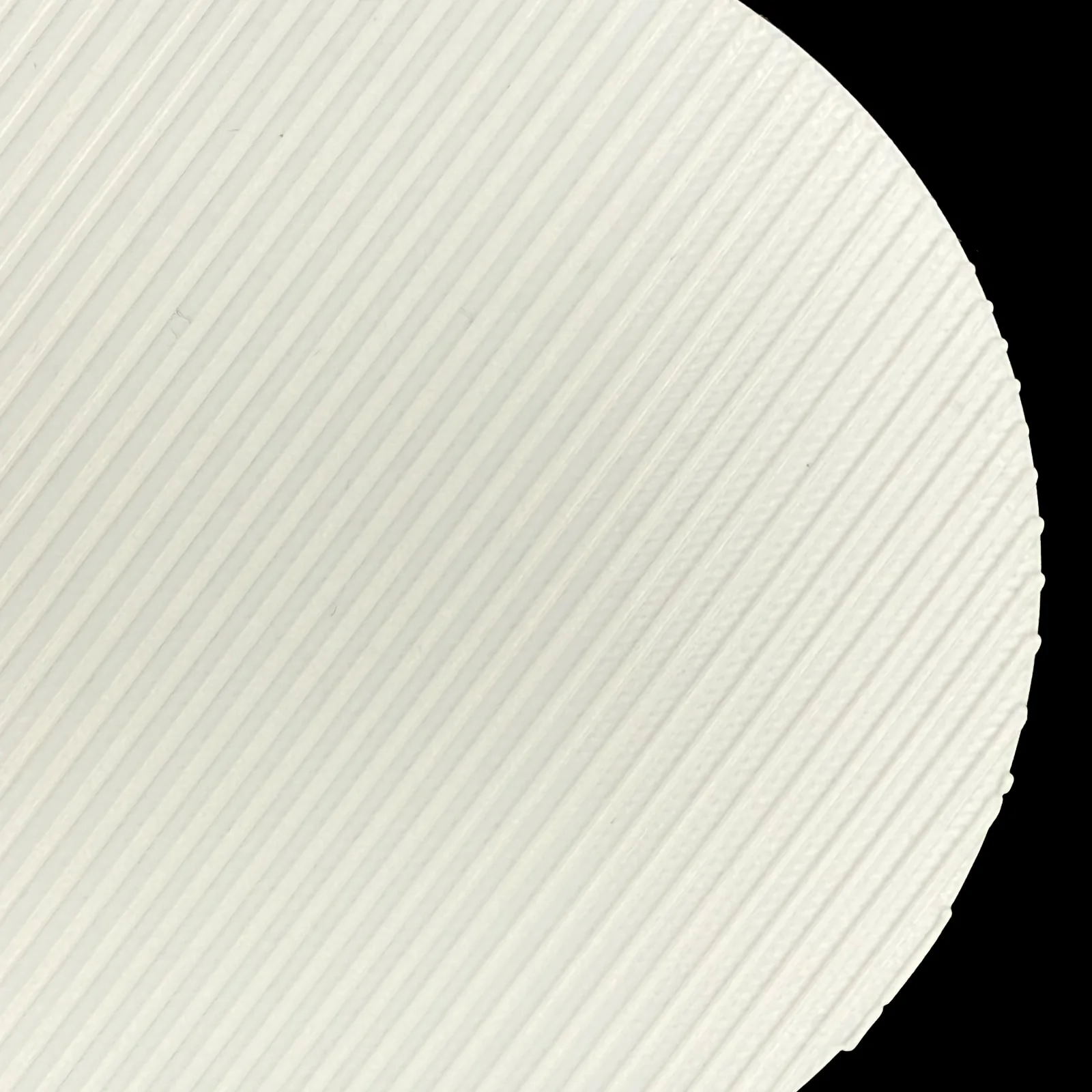
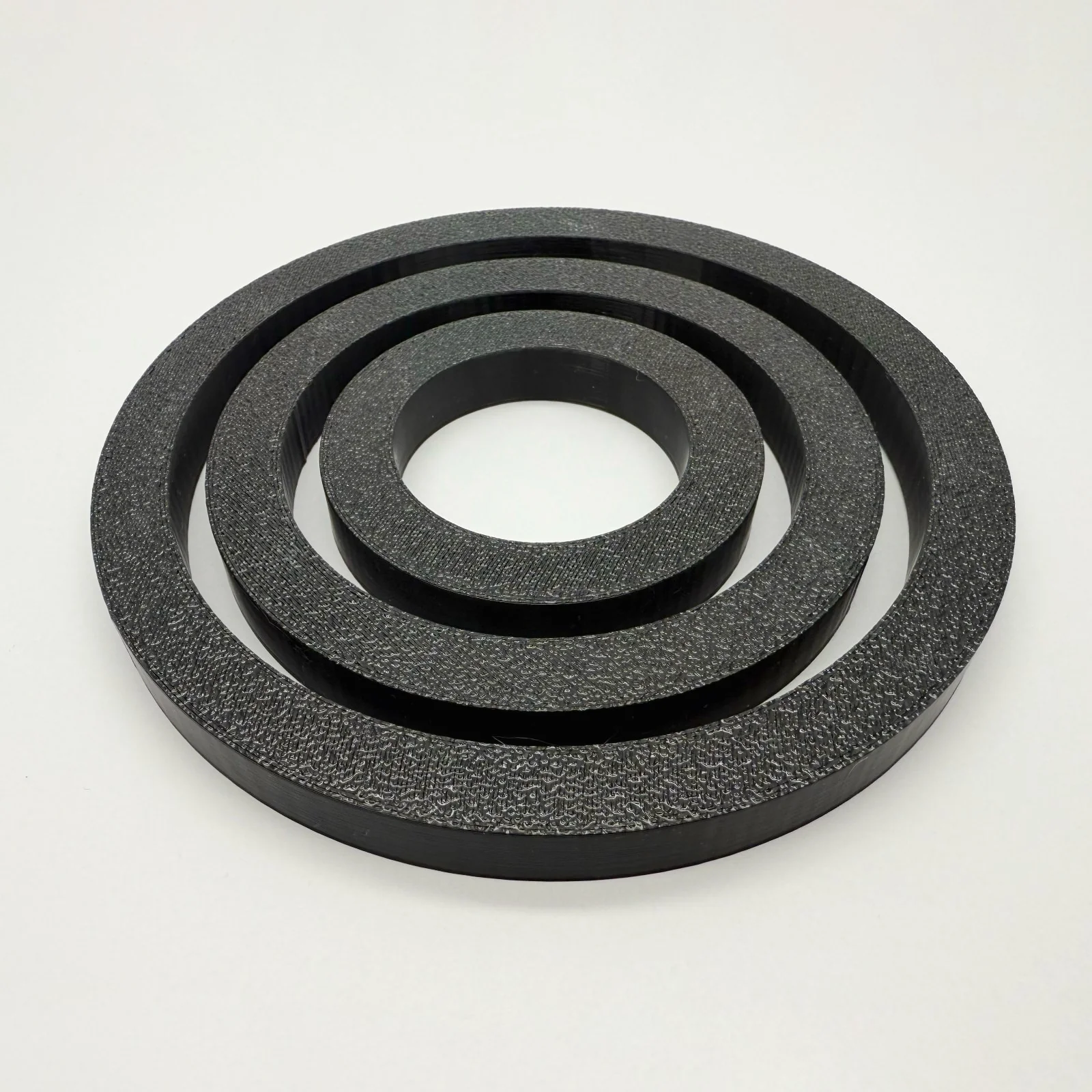
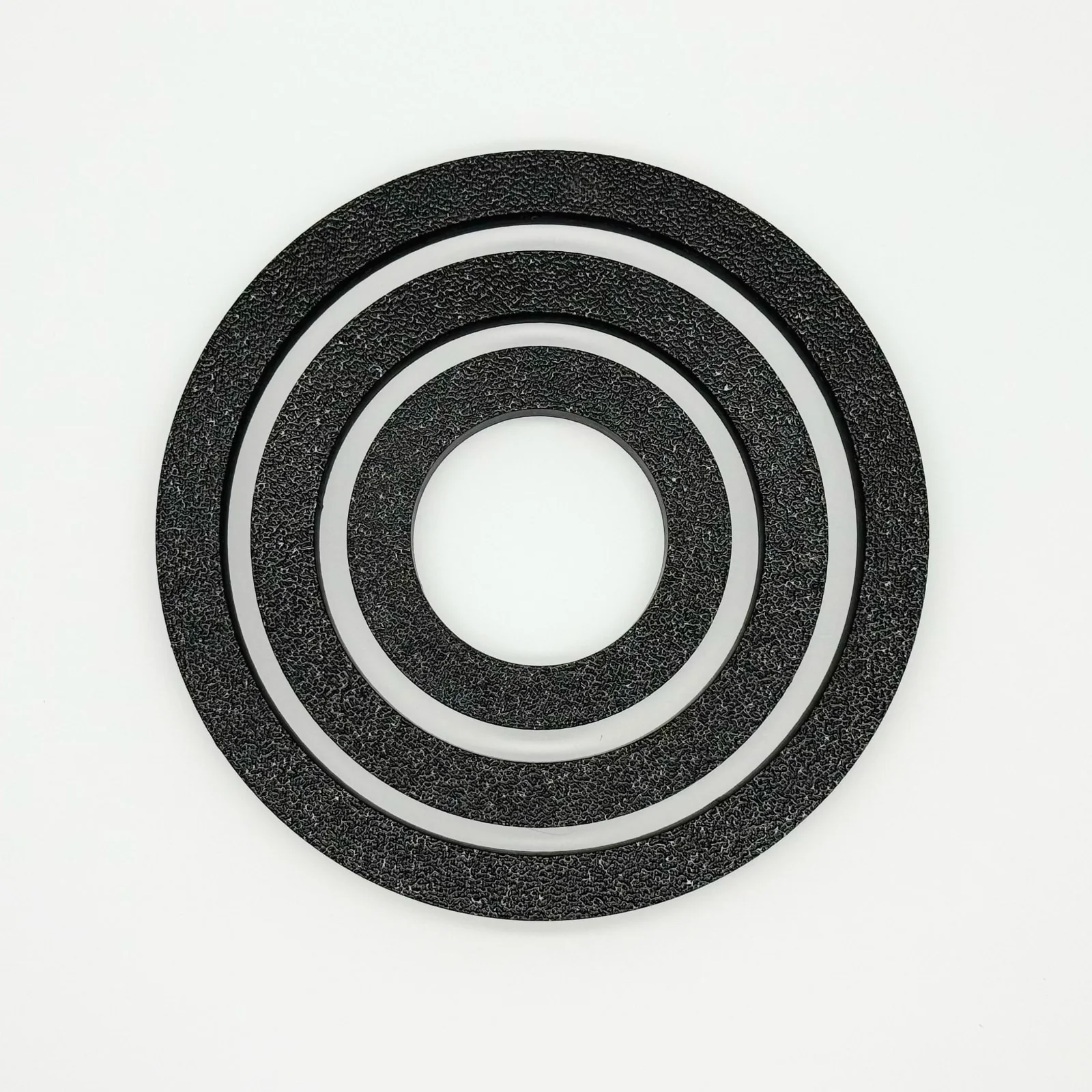
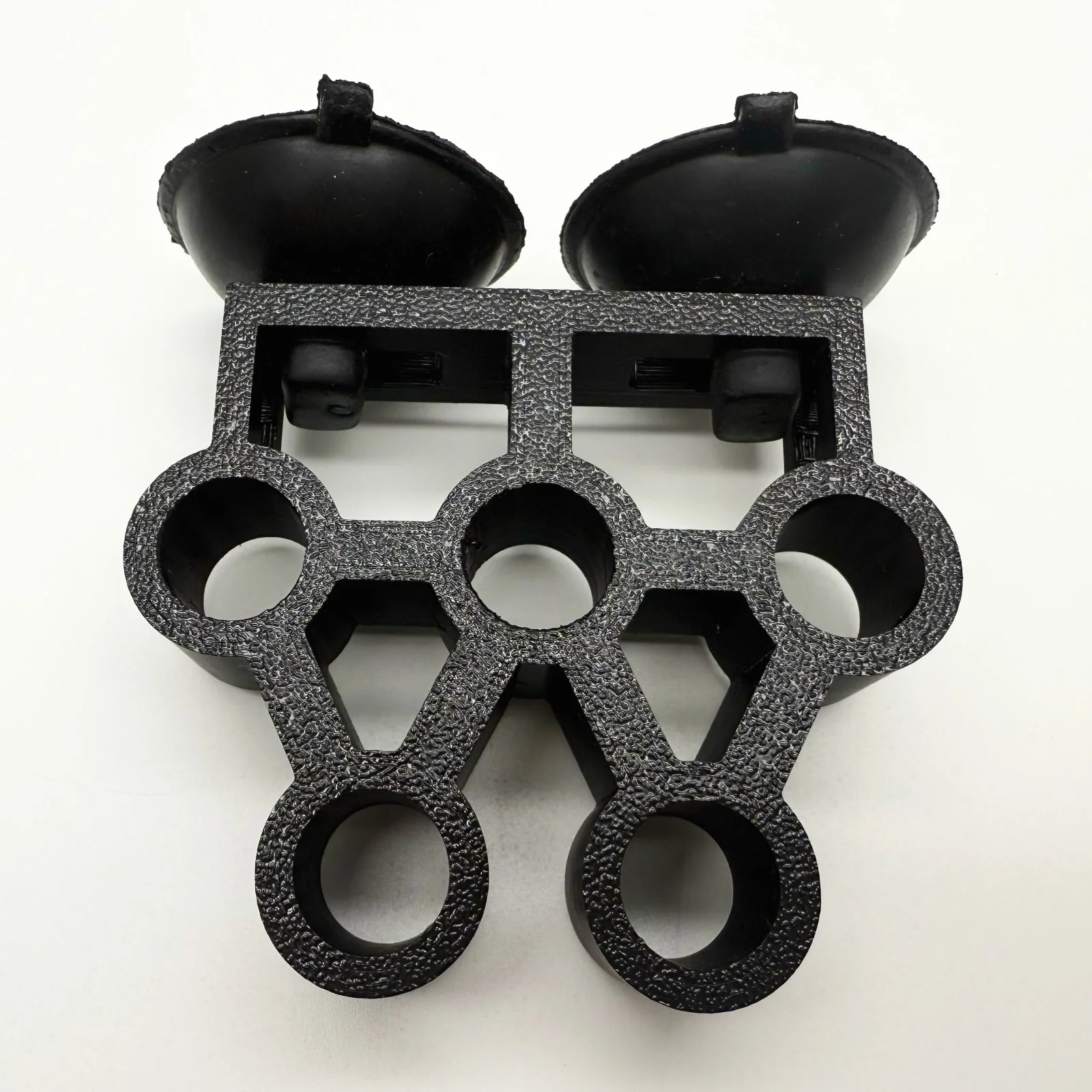
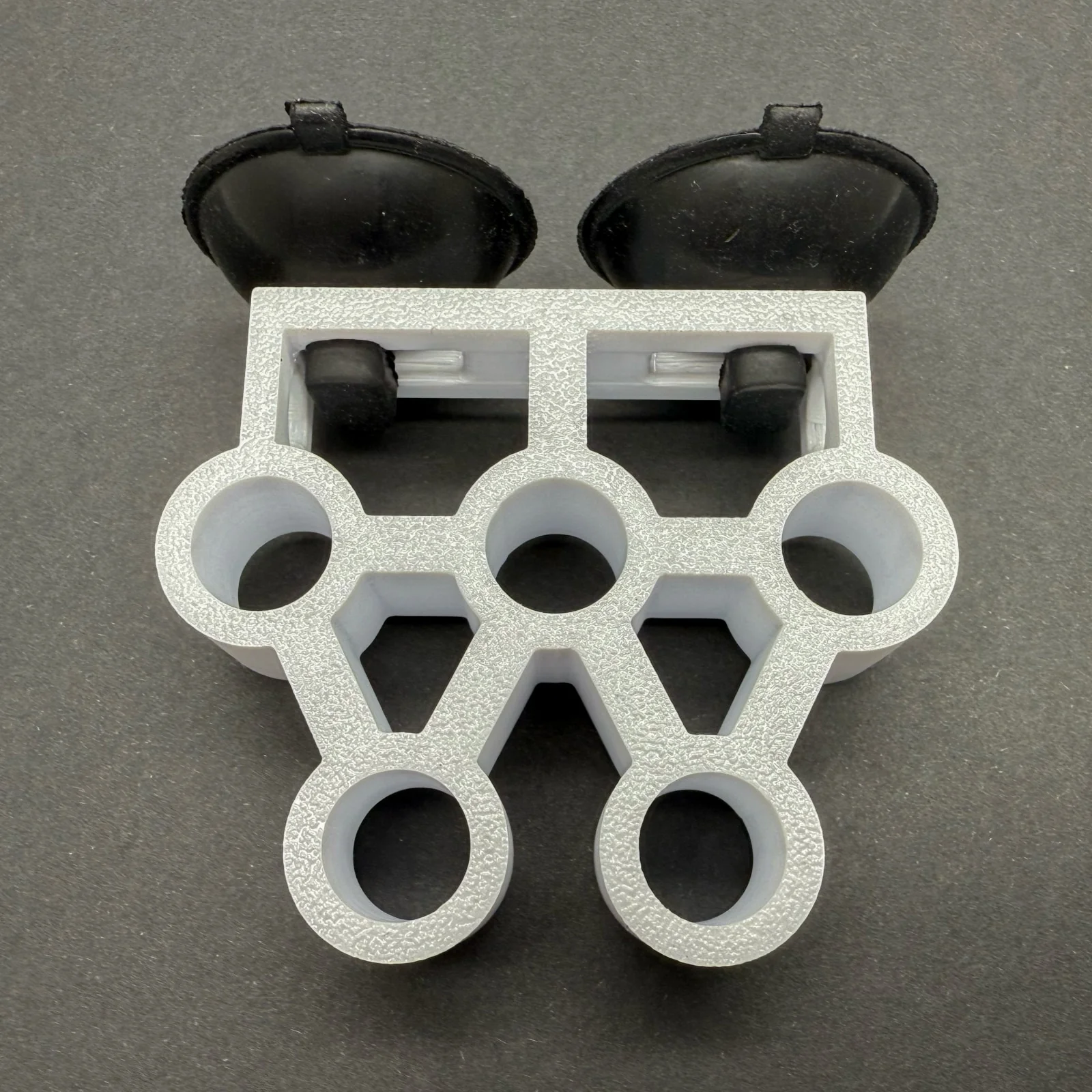
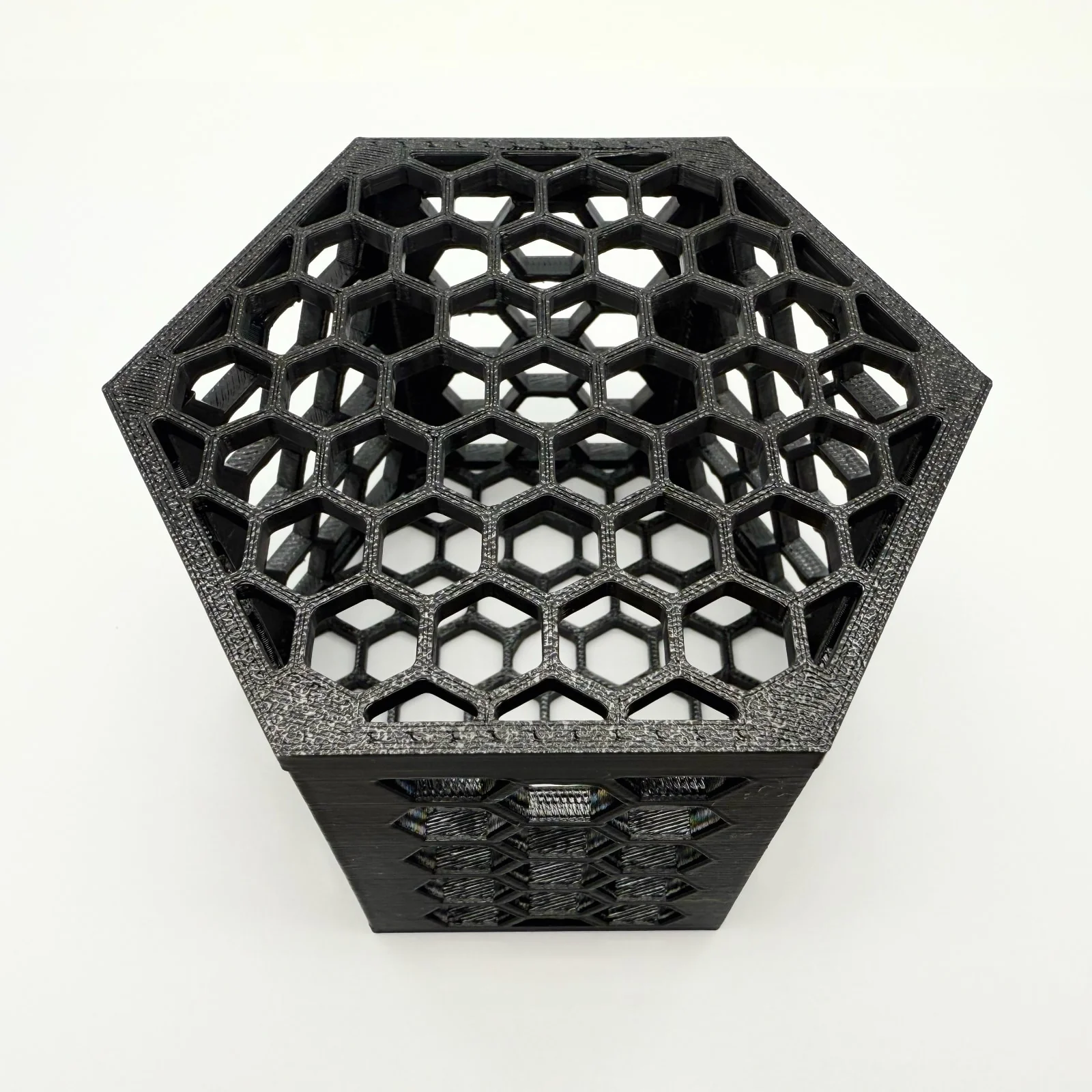
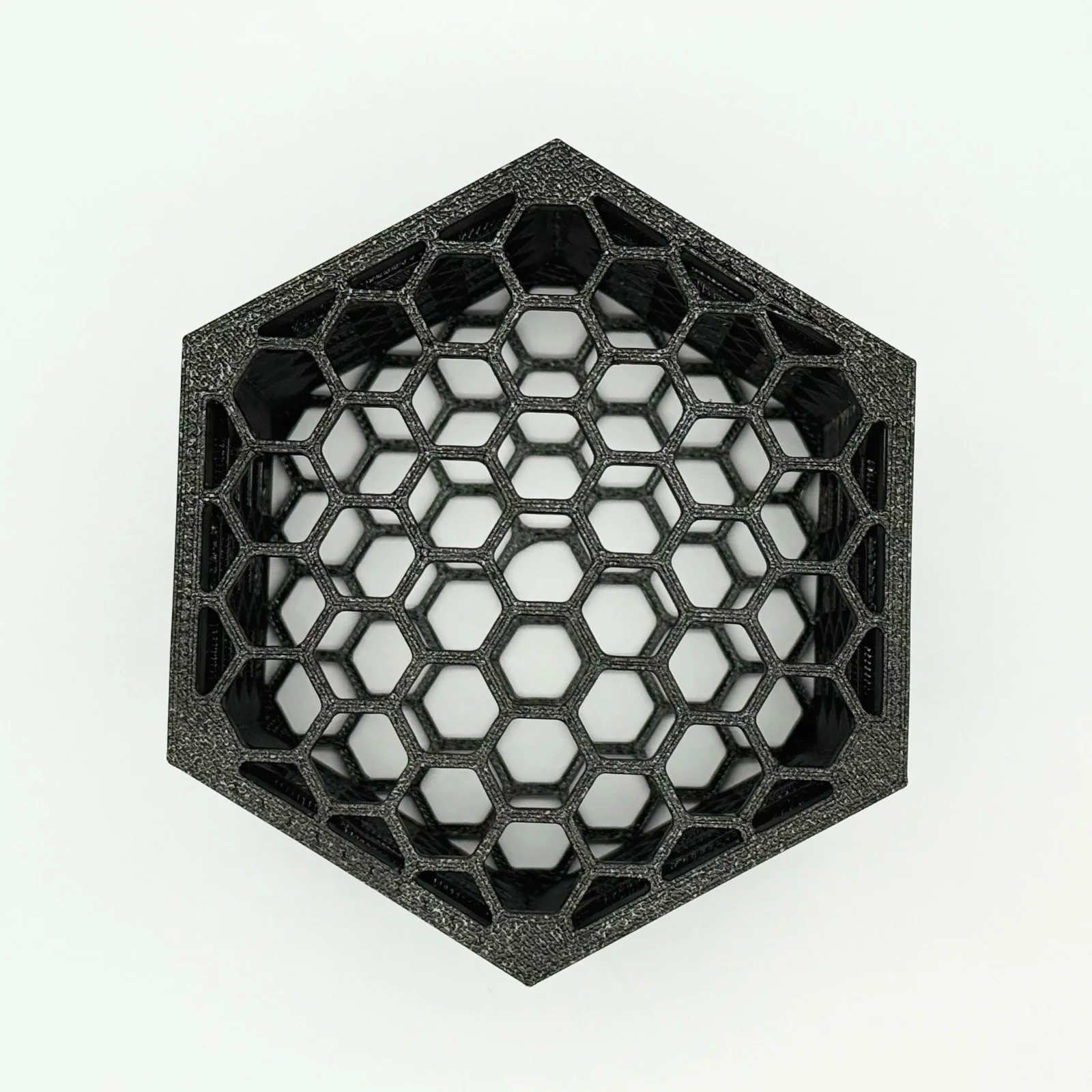
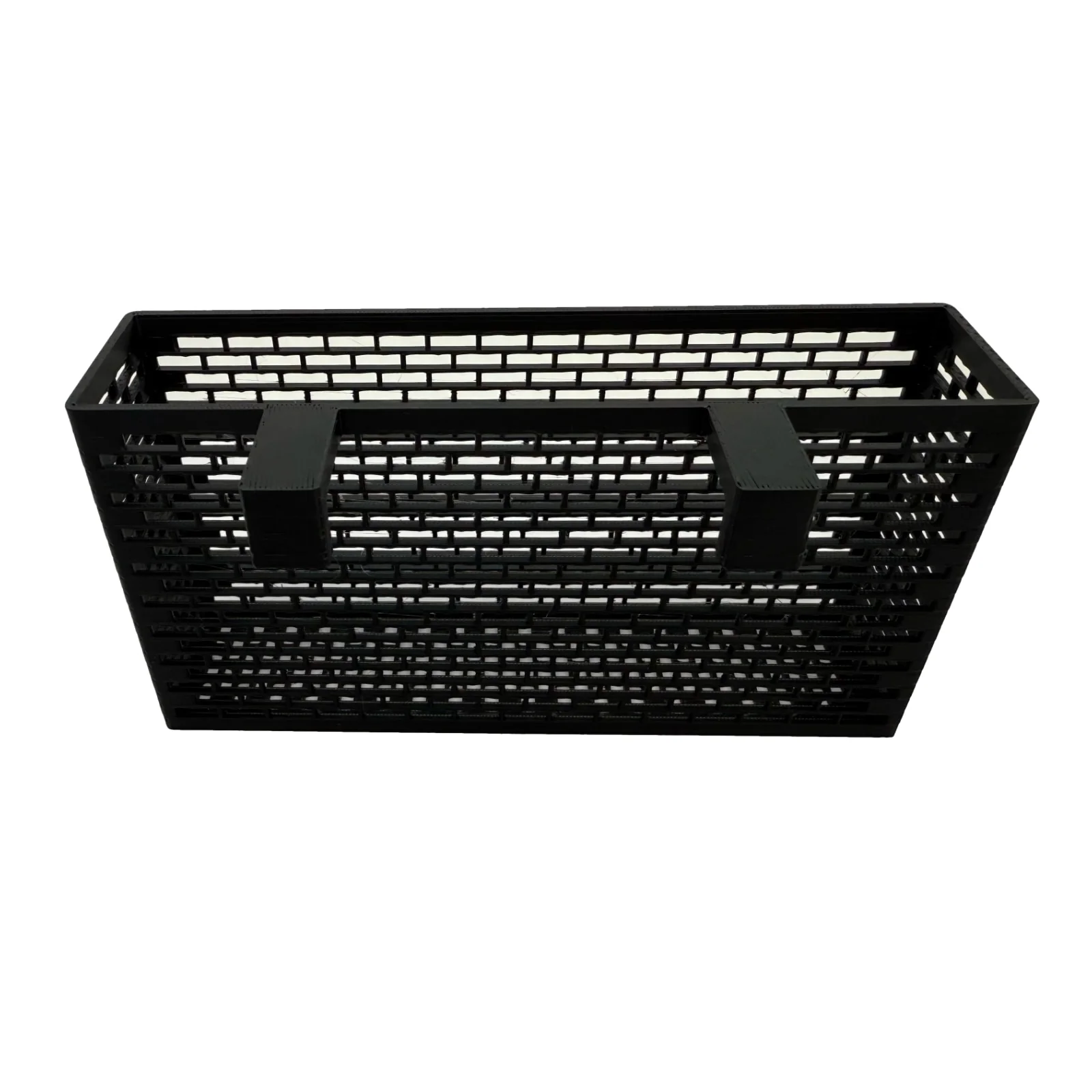
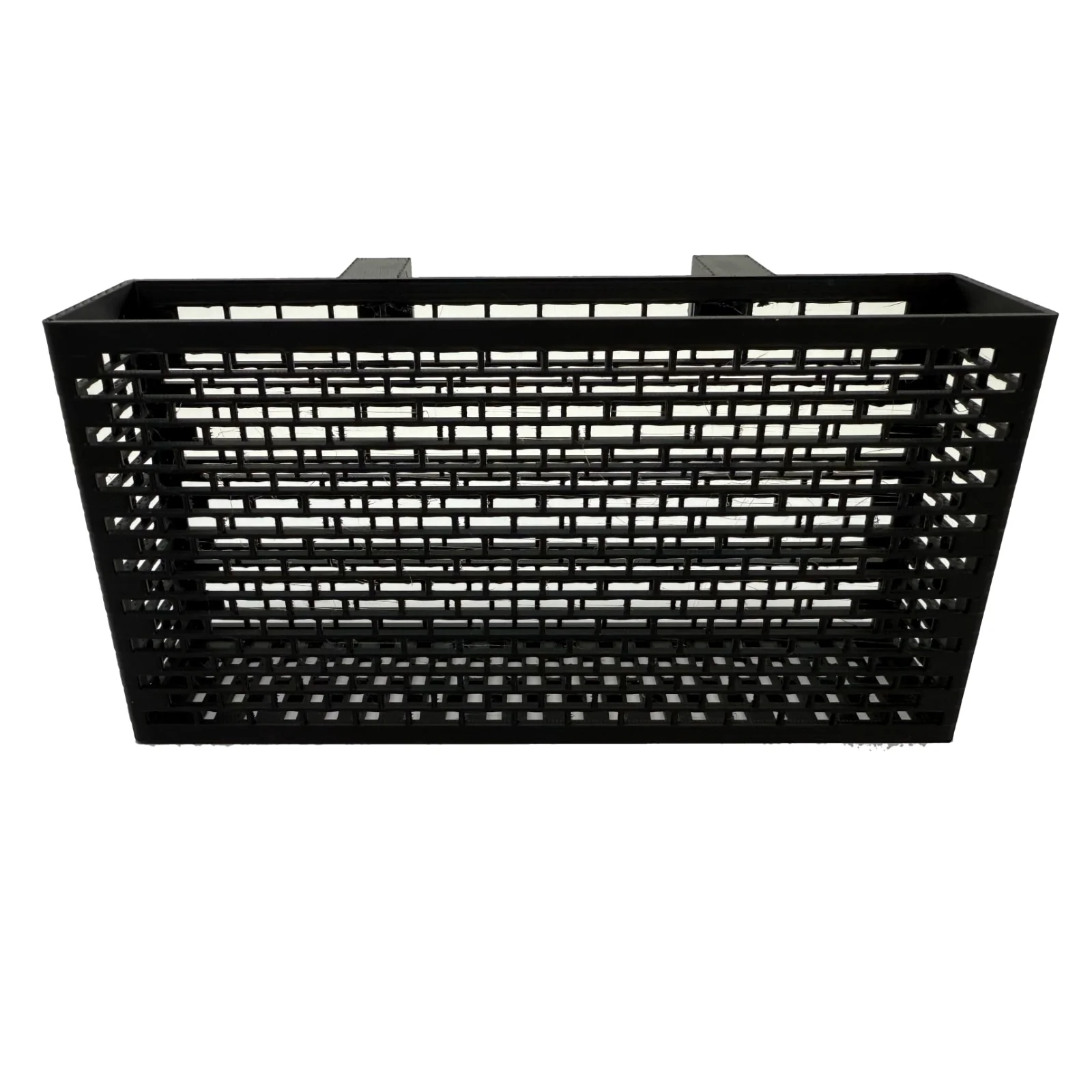
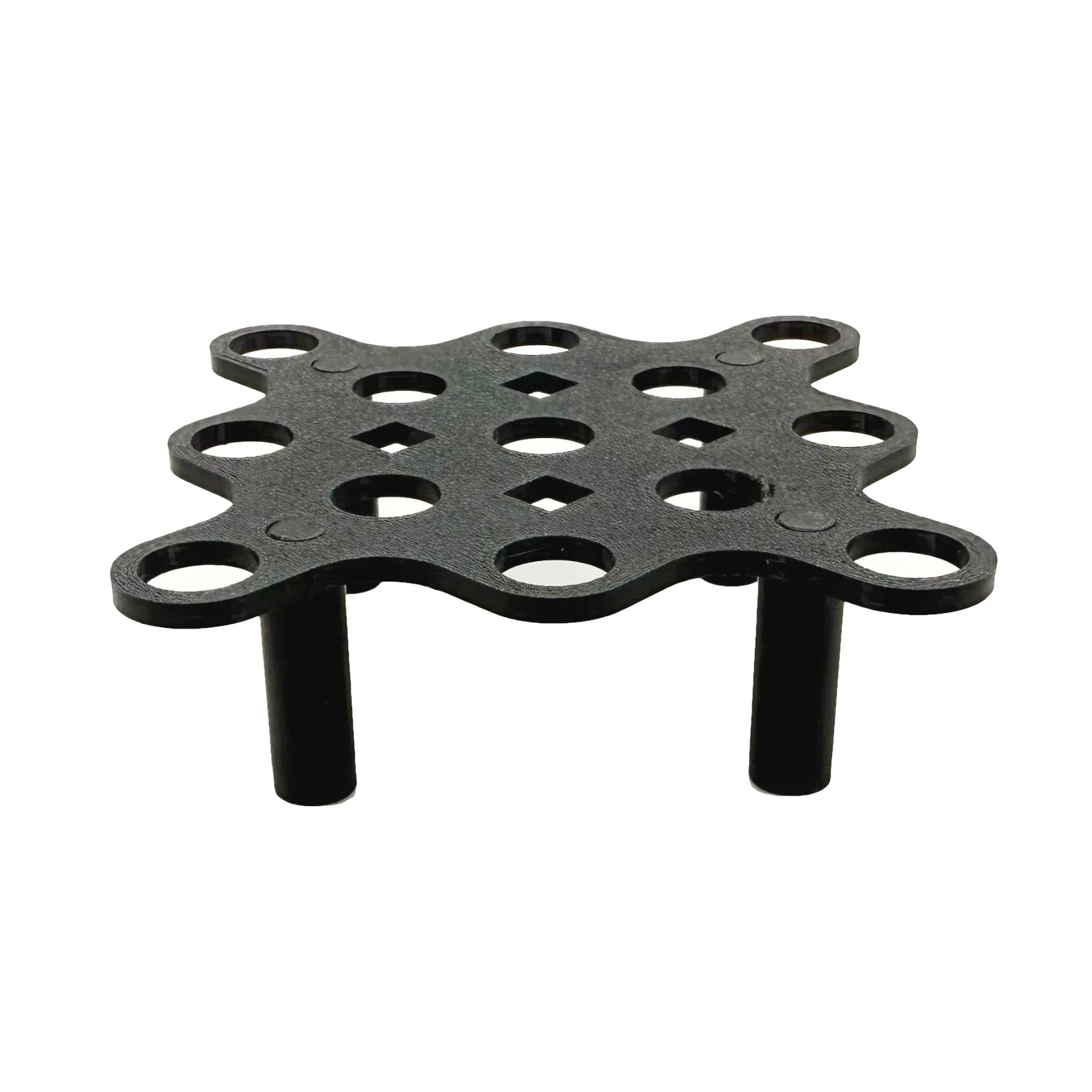
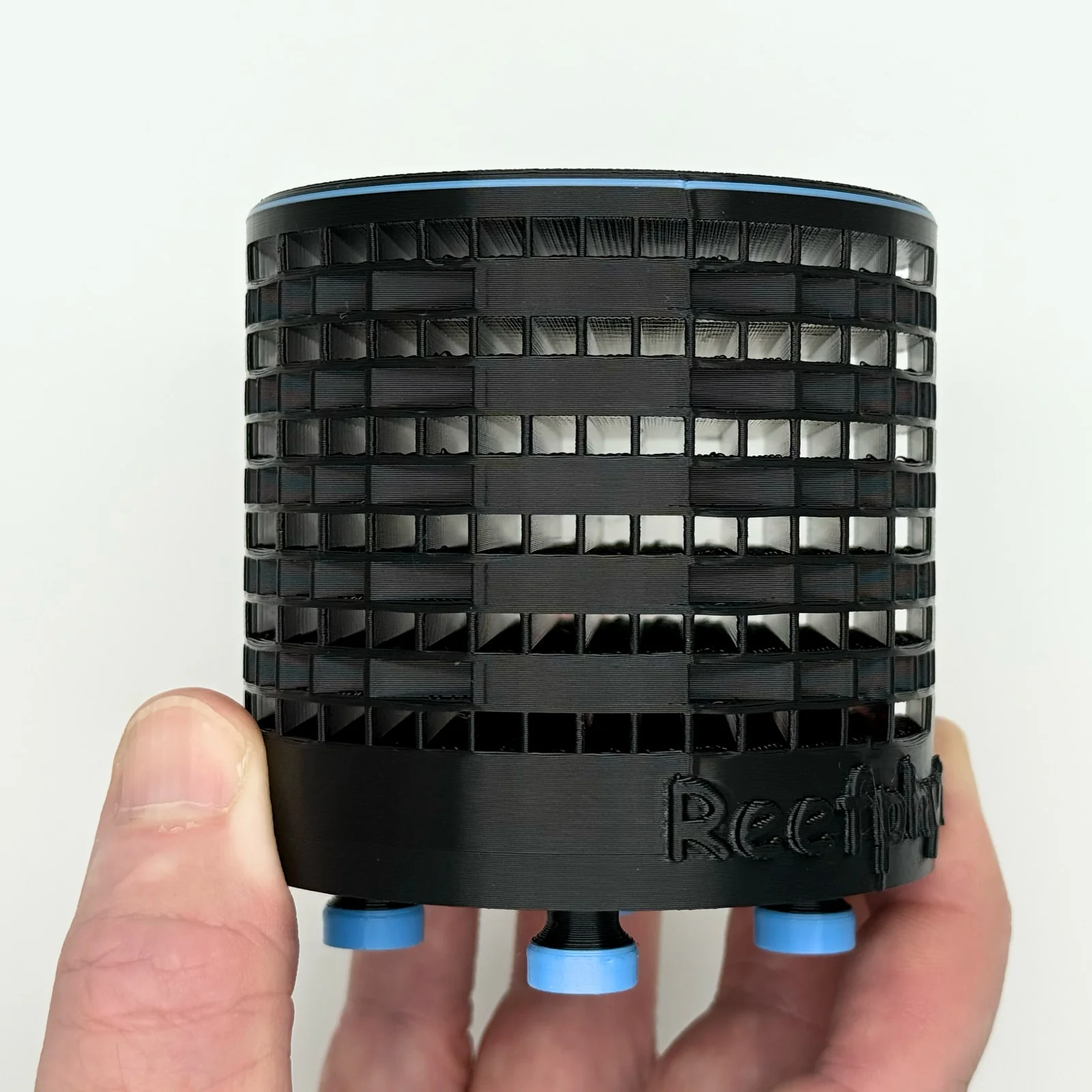
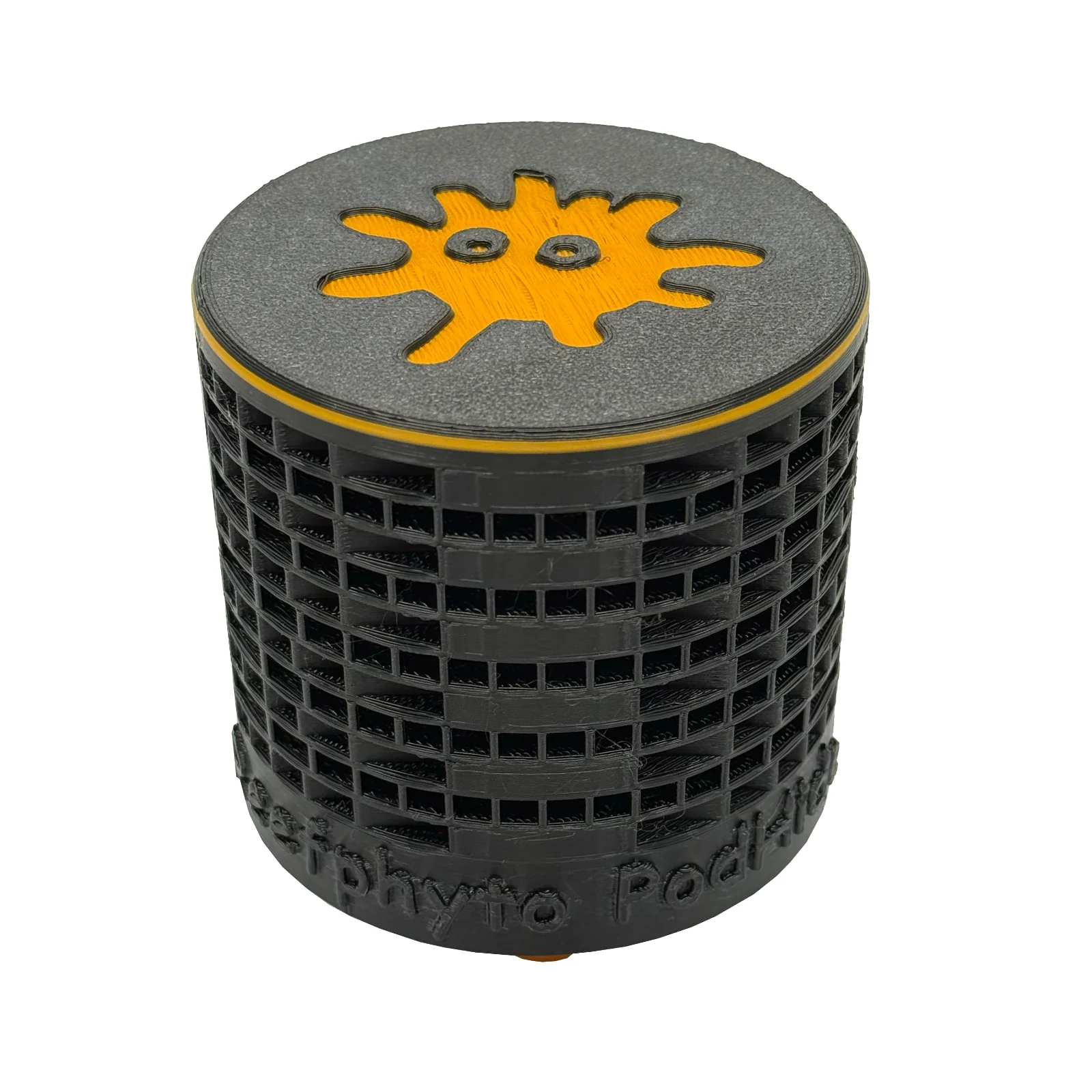
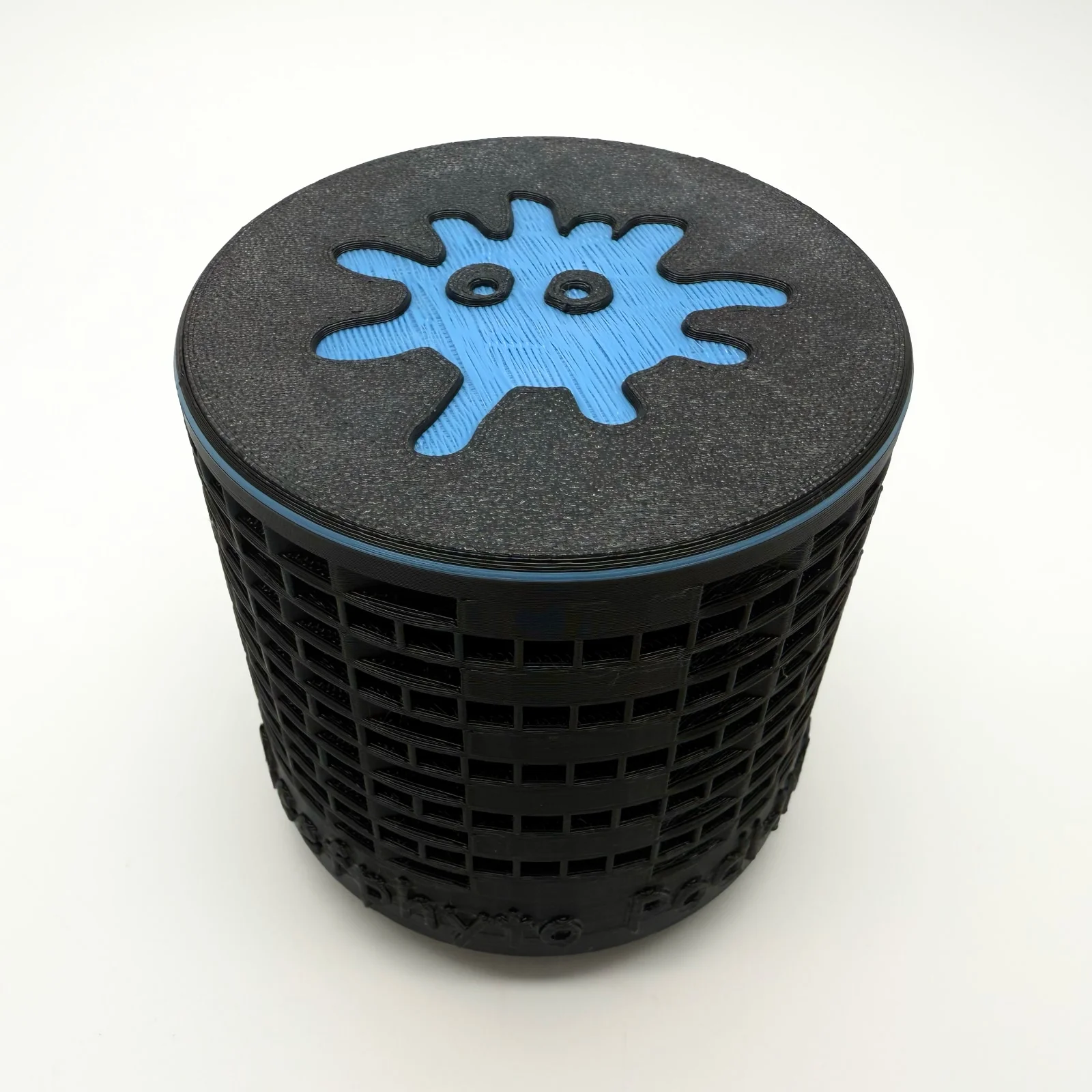
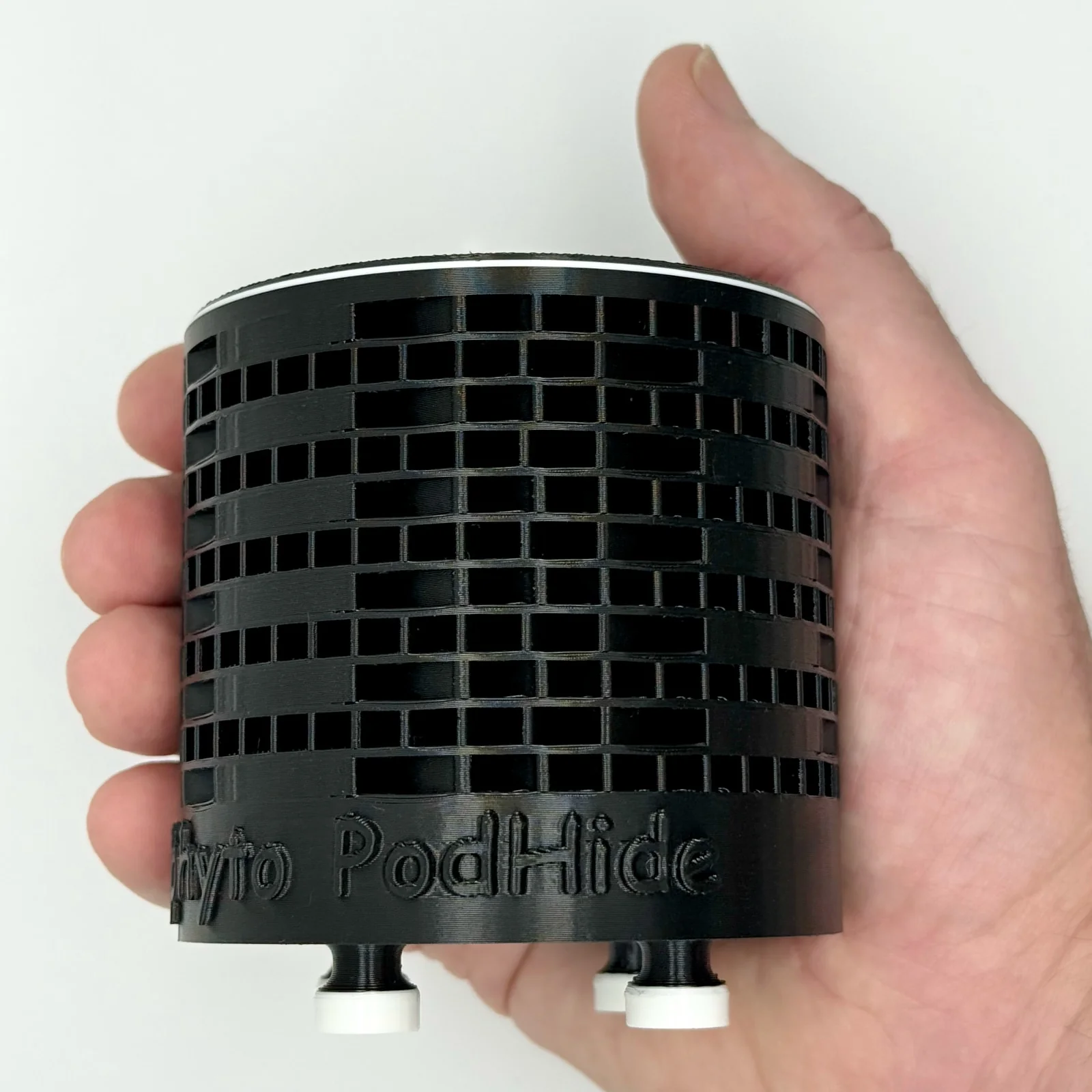
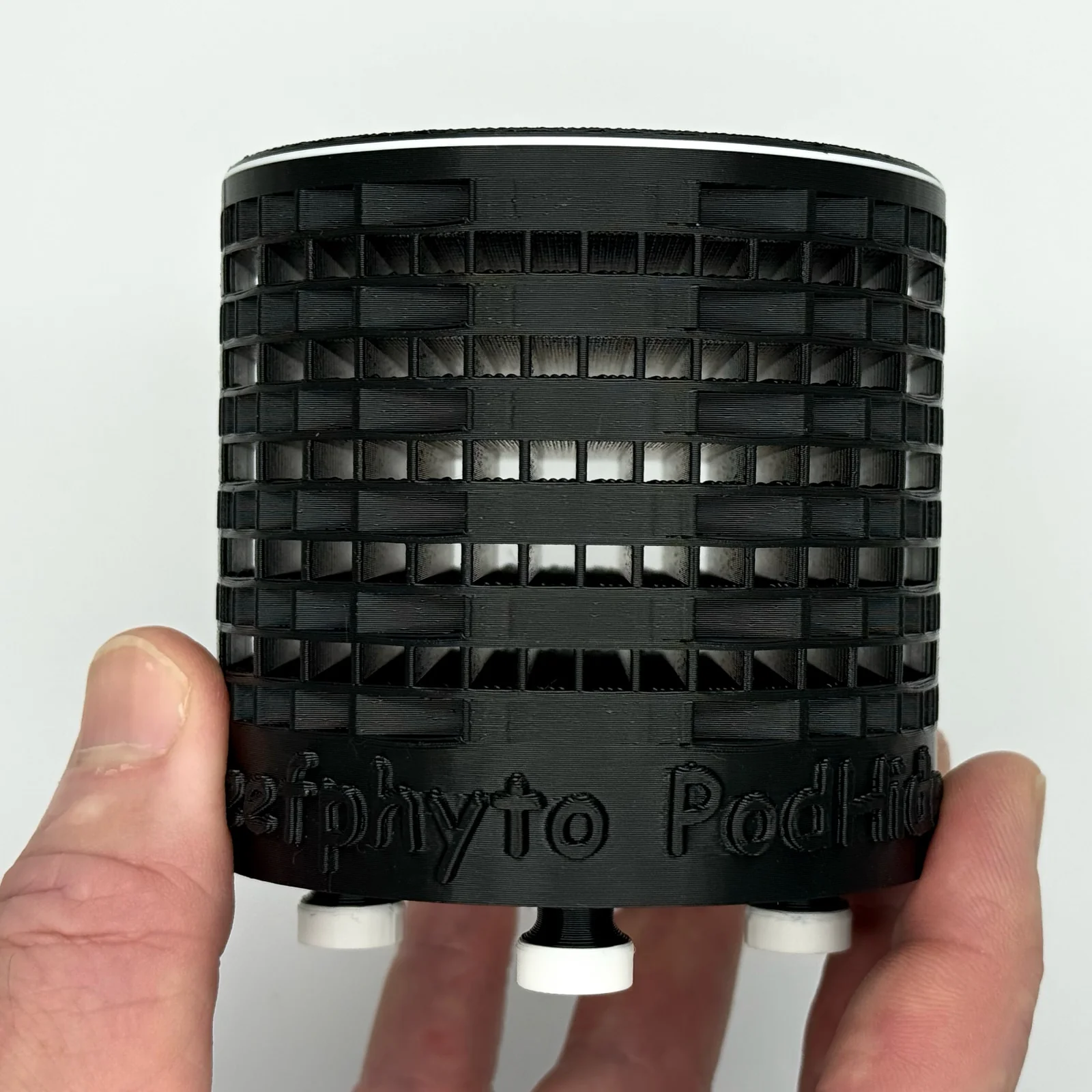
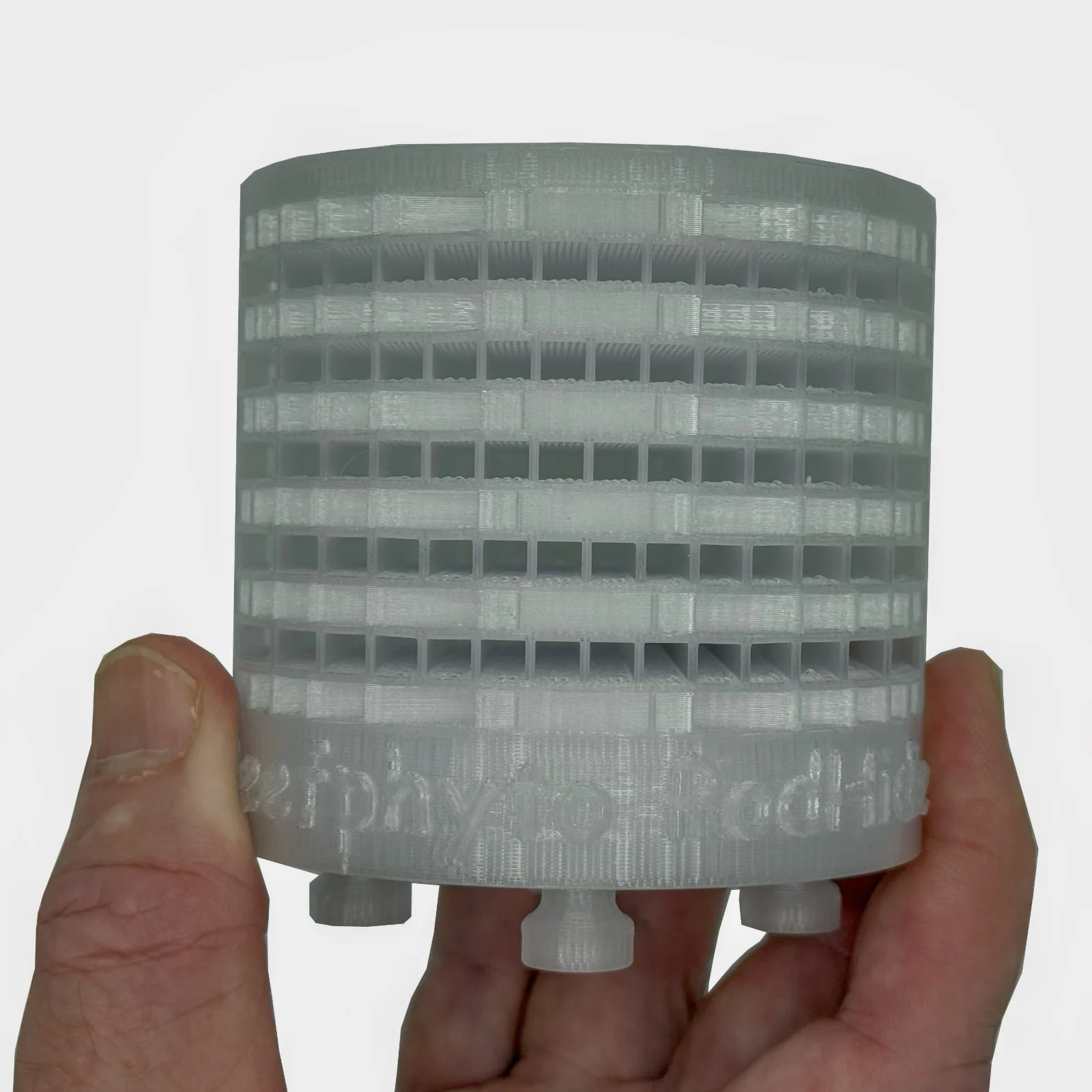
The Reefphyto PodHide gives copepods the structural protection they need to breed faster than they are eaten. 3D printed in-house from reef-safe PETG at 85mm height and 80mm width, it provides a multi-hole structure with textured internal surfaces that harpacticoid copepods colonise readily, using the protected cavities as a breeding station while nauplii and adults migrate naturally into the display tank as a continuous food source. Four stability feet keep it secure on sand, glass, or rock. Place it in a low-flow area of the sump, refugium, or display tank, seed directly through the holes using a turkey baster, and allow the population to establish. Available in black and white, black and blue, orange and black, or translucent.
Over the weeks that follow, the pattern changes. The mandarin is still hunting. The difference is that the hunting is sustainable rather than depleting, because the structure behind the rockwork is producing new copepods at a rate that keeps pace with what is being consumed. The refugium stops being a place where copepods briefly exist and becomes a place where they actually live.
Reefphyto designed the PodHide in Wales after years of watching customers add copepods to systems where they could not establish. If you want guidance on placement, seeding, or how to combine the PodHide with a regular Copepod Feed programme for maximum population density, contact us. Darren responds personally. For smaller tanks and nano systems, the PodHide Nano is also available.
Stop re-seeding. Start establishing.
The Problem With Adding Copepods to an Active Reef Tank
The assumption behind adding live copepods to a reef tank is straightforward: introduce a population, allow it to establish in the refugium, and over time the copepods will breed fast enough to sustain themselves and provide a continuous live food source for the tank's inhabitants. In practice, for many reef keepers with active fish populations, this assumption fails, not because the copepods are poor quality or the refugium is poorly set up, but because the predation pressure from wrasses, dragonets, anthias, and other planktivorous fish outpaces the reproduction rate of an unprotected population.
Tigriopus californicus, the harpacticoid species most commonly used for reef seeding, reproduces well under good conditions. A female can carry multiple egg sacs simultaneously and produce dozens of nauplii per clutch. But reproduction requires time and safety. A copepod carrying an egg sac that is picked from the refugium substrate before the eggs hatch is not contributing to population growth. A nauplius consumed within hours of hatching is not reaching sexual maturity. When predation is constant and the copepods have no protected space to complete their reproductive cycle undisturbed, the population never gains the traction it needs to become self-sustaining.
This is why keepers who seed copepods repeatedly into tanks with active fish populations often report the same outcome: a brief period of increased hunting activity followed by a return to the baseline, with no lasting population increase to show for the investment.
What the PodHide Does
The PodHide solves the structural problem. It gives copepods physical space that fish cannot easily access, where breeding can occur at a rate that is not continuously reset by predation. The copepods that establish within the structure are protected from direct predation during their reproductive cycle. The nauplii and adults that emerge and migrate into the water column are the output of a breeding population rather than the depleting remnant of a seeded one.
The mechanism is simple and mirrors what happens in a healthy natural reef environment. In the wild, copepod populations persist in heavily predated systems because the structural complexity of the reef crevices, rubble, coralline algae mats, tube structures, provides countless microhabitats where copepods can shelter, graze, and breed away from the open water where planktivorous fish hunt. A bare refugium or sump with no structure offers none of this. The PodHide reintroduces it in a deliberate, manageable form.
Design and Construction
The PodHide is 3D printed in-house by Reefphyto in Wales using PETG filament. At 85mm height and 80mm width it is the full-size version of the PodHide range, providing substantially more internal colonisation surface than the Nano version and suited to larger refugiums, sumps, and display tanks where a significant copepod population is the goal.
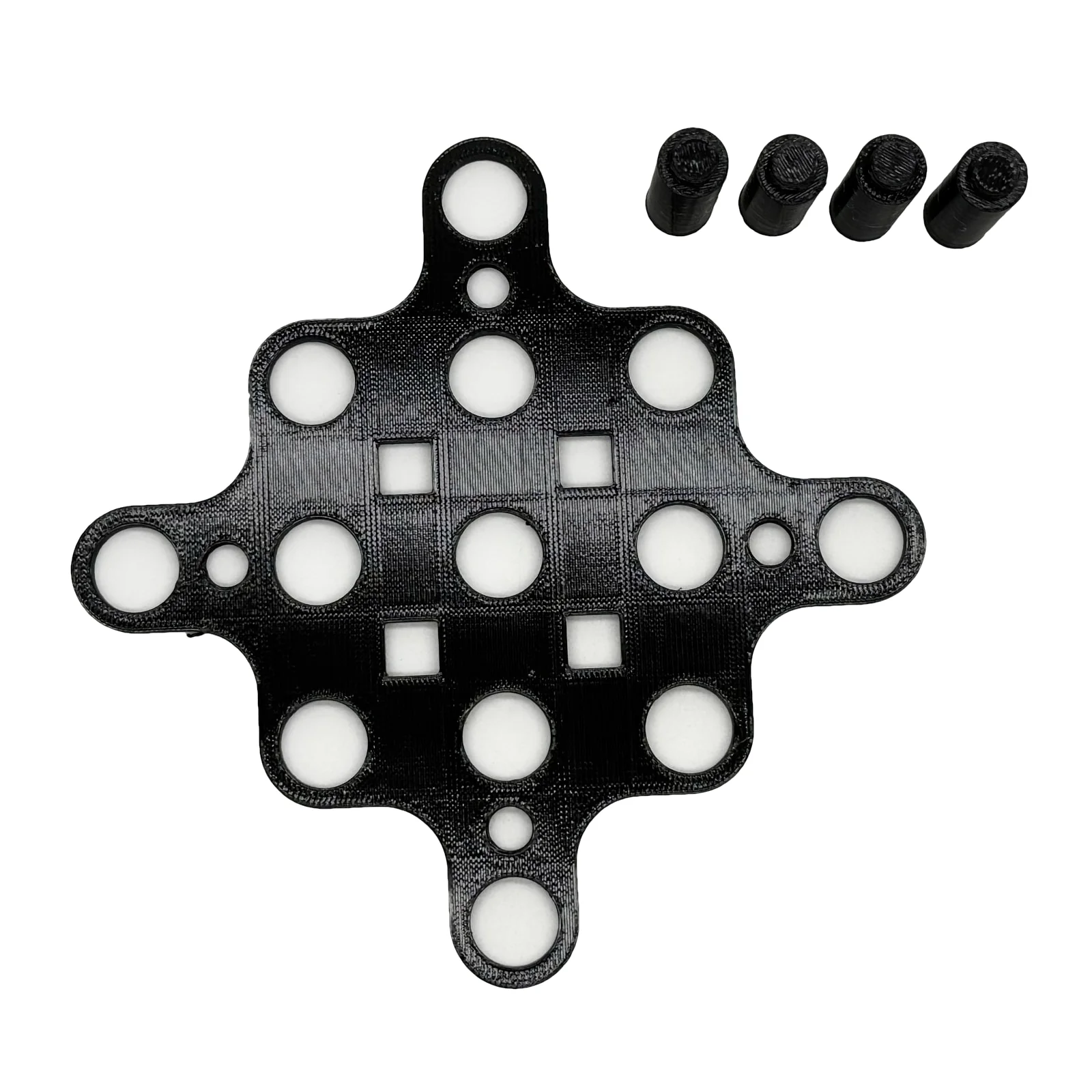
The multi-hole structure maximises the number of accessible cavities available for copepod colonisation. Harpacticoid copepods are substrate-associated rather than open-water swimmers, they live on and within surfaces rather than in the water column and a structure with many internal surfaces and varied cavity sizes provides a significantly more effective habitat than a single large chamber. The textured internal surfaces of the PodHide increase the surface area available for copepod attachment and grazing and give nauplii the grip points they need to avoid being swept out of the structure by gentle flow.
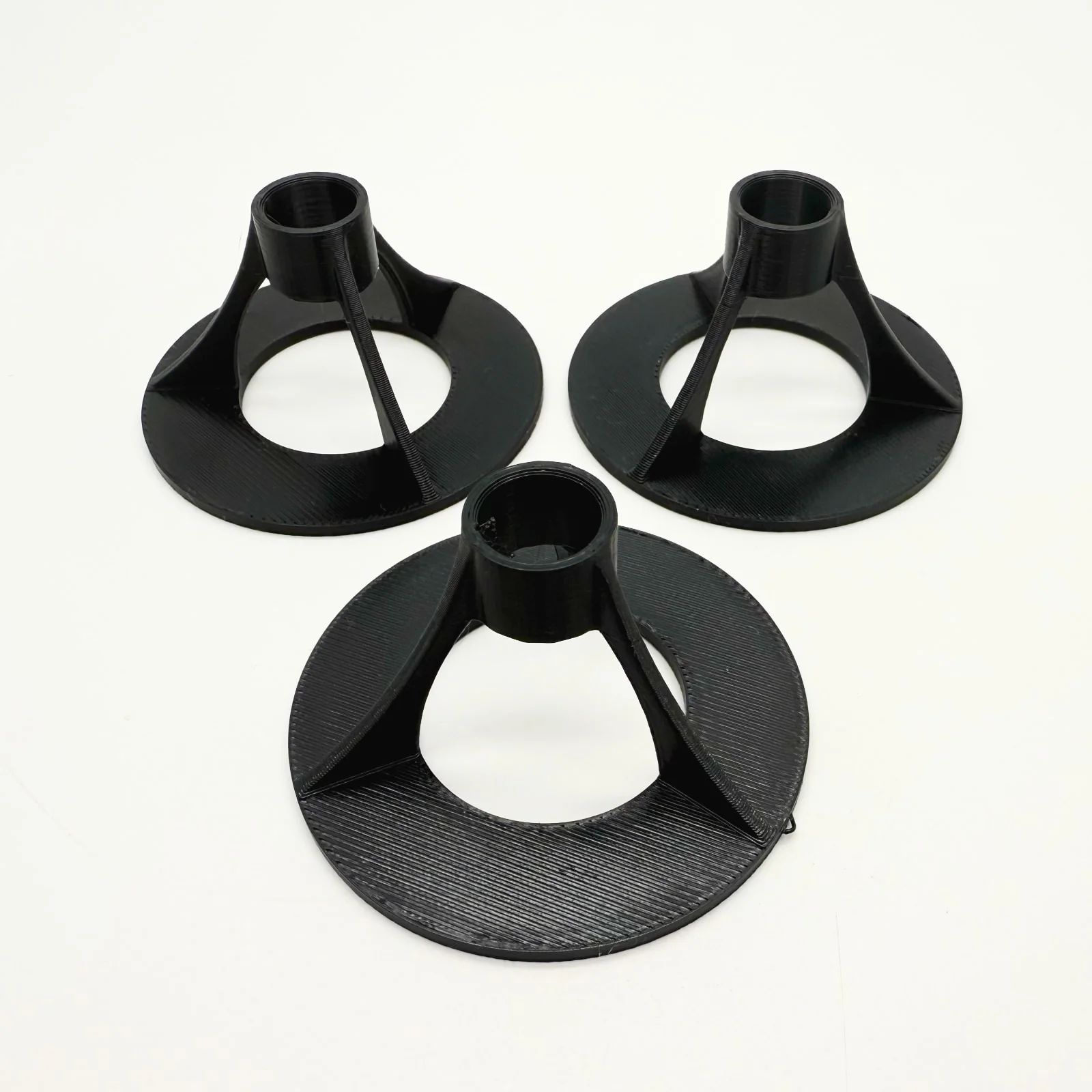
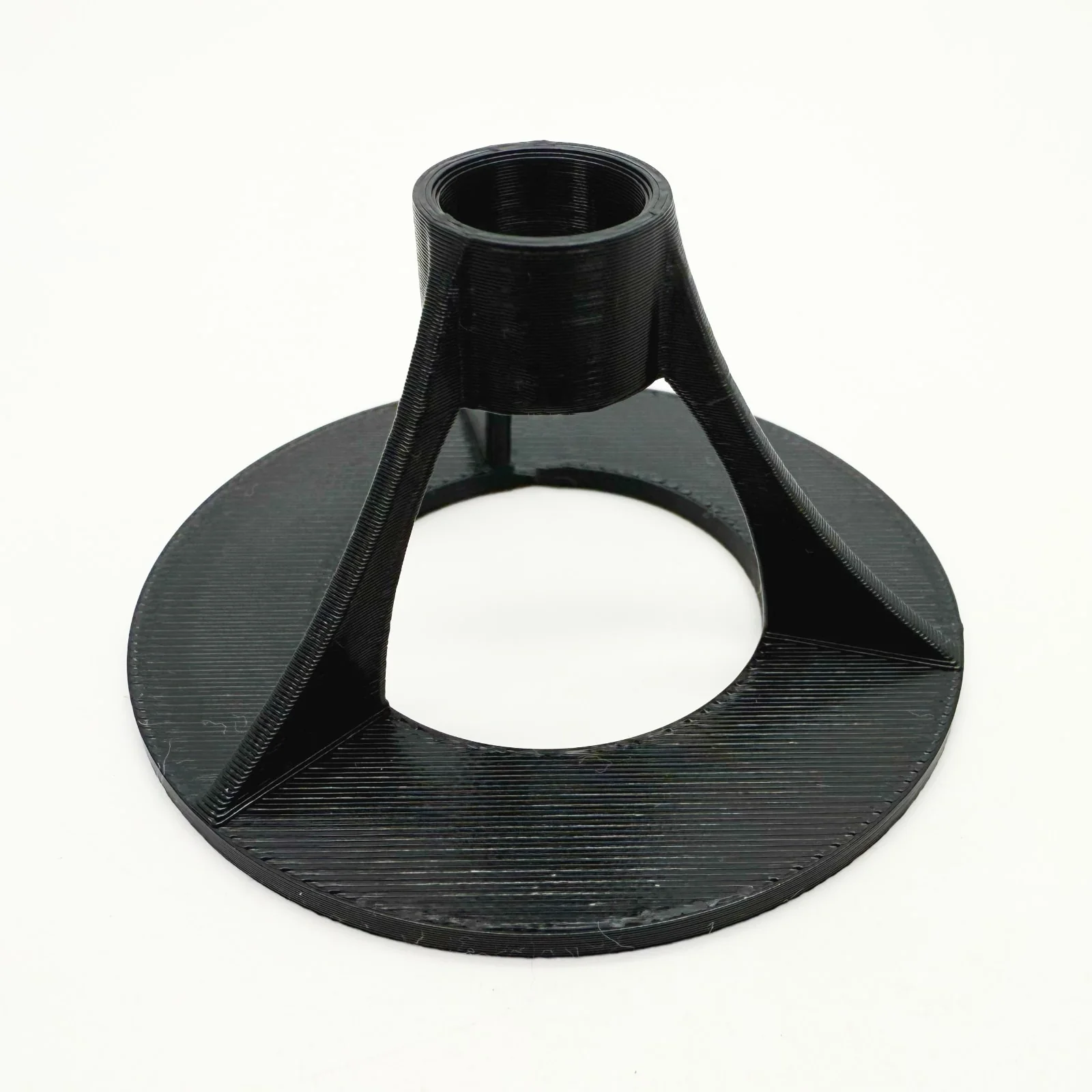
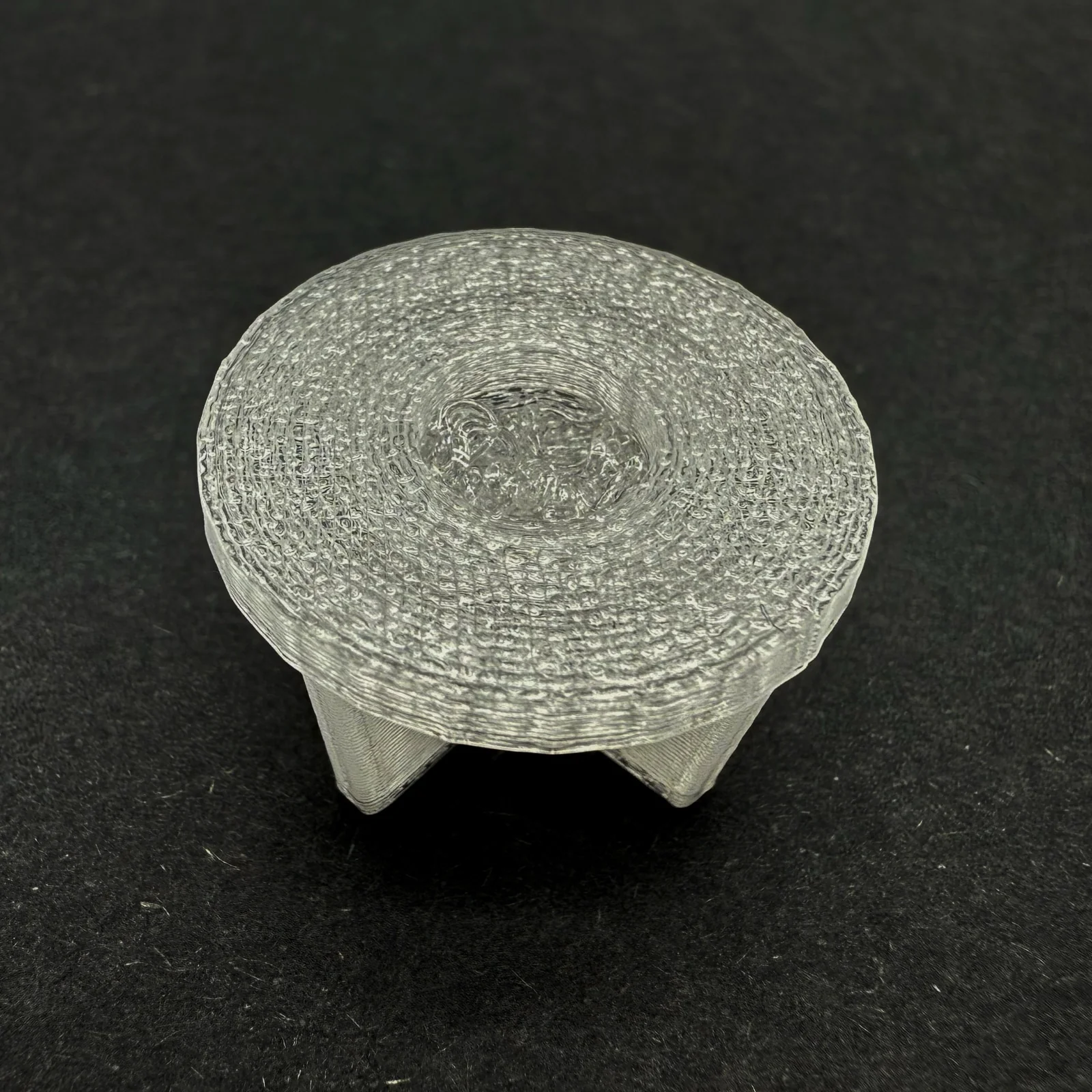
Four stability feet keep the structure sitting flat and secure on sand, glass, or rock without rocking or tipping under normal sump or refugium flow conditions. PETG is chemically inert in saltwater, does not leach plasticisers, and does not degrade in long-term reef use. The structure is durable across years of continuous use without requiring replacement.
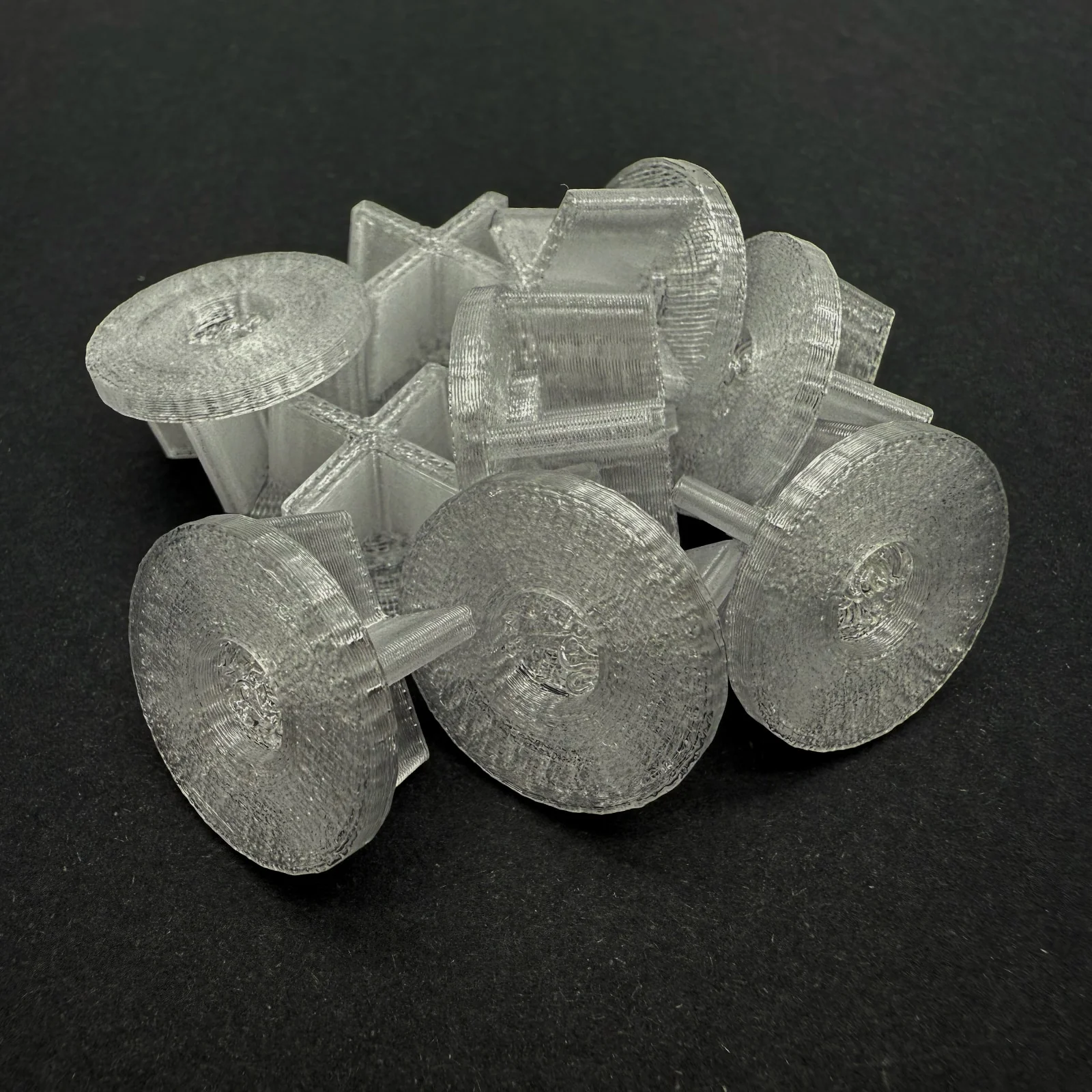
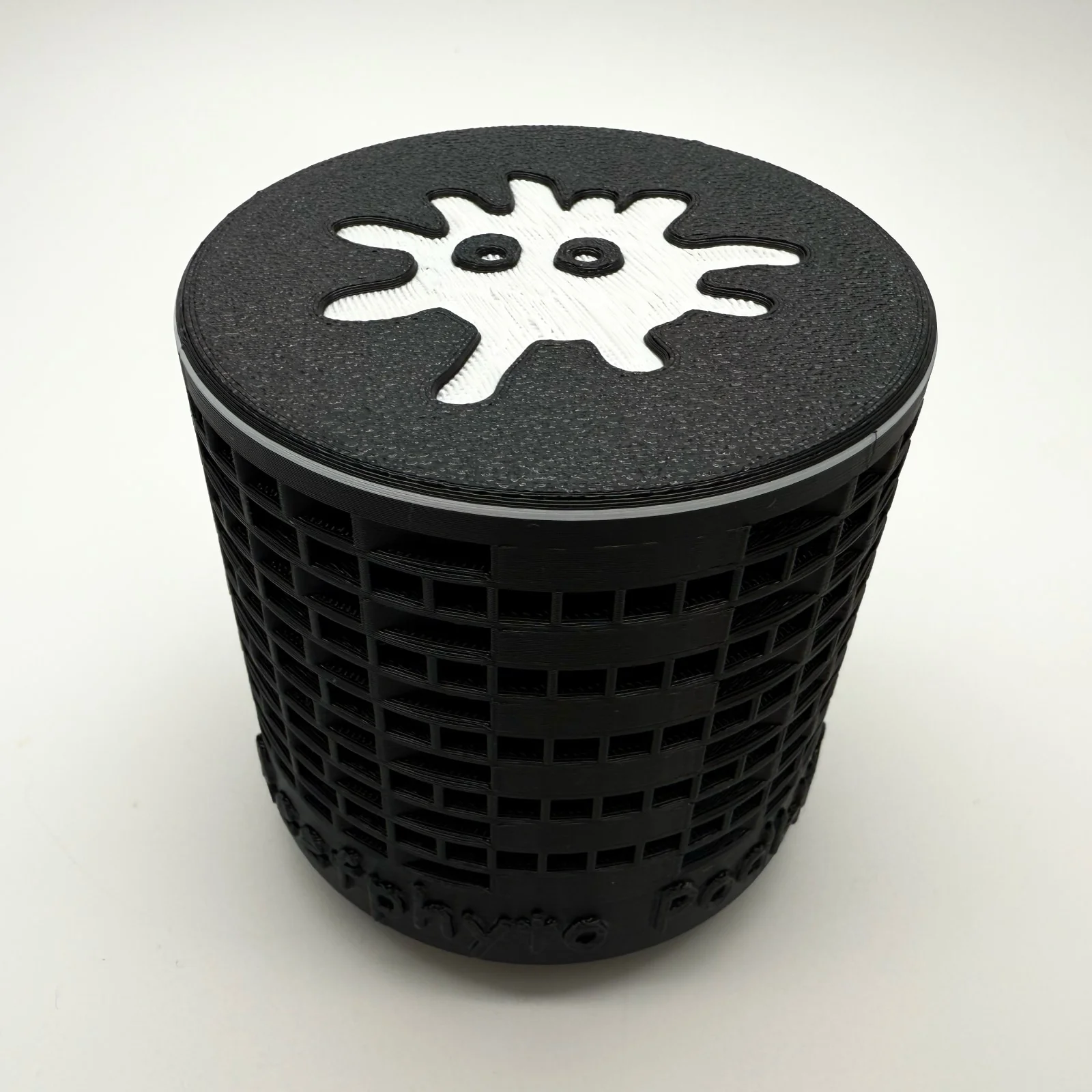
Colour options, black and white, black and blue, orange and black, and translucent, allow the PodHide to be visually matched to the tank or sump aesthetic or, for keepers running multiple units, colour-coded by position or seeding date.
How to Place and Seed the PodHide
Rinse the PodHide briefly before first use. Place it in a low to moderate flow area of the sump, refugium, or display tank. Avoid direct high-velocity flow, which can wash nauplii out of the structure before they have attached. The stability feet sit securely on flat surfaces and the structure can also be wedged into rockwork if a display tank placement is preferred.
To seed with copepods from a Reefphyto live copepod order, turn the PodHide on its side and use a turkey baster to gently introduce copepods directly into the holes from the culture pouch. This ensures the initial seeding population is placed inside the structure rather than added to the open water where they are immediately vulnerable. Once seeded, return the PodHide to its upright position and leave undisturbed for at least two weeks while the population begins to establish.
Alternatively, place the PodHide unseeded and allow natural colonisation over time. Copepods already present in the system will find and colonise the structure as they explore the sump and refugium. Natural colonisation is slower than direct seeding but produces the same result given time.
Building a Self-Sustaining Population
The PodHide addresses the structural side of copepod establishment, but population density and nutritional quality are also influenced by feeding. A copepod population that has protected breeding space but limited phytoplankton will establish at a lower density than one that has both.
Adding Copepod Feed to the sump or refugium daily ensures the copepods colonising the PodHide have a consistent food source. The four-species blend of Isochrysis galbana, Tetraselmis suecica, Nannochloropsis oculata, and Thalassiosira weissflogii covers the full feeding range from nauplii through to reproducing adults and improves both population growth rate and the fatty acid content of the copepods that ultimately migrate into the display tank.
Used together, PodHide for structural protection, Copepod Feed for nutritional support, and live copepods from Reefphyto for initial seeding the refugium copepod programme has all three components it needs to produce a self-sustaining population rather than a repeatedly depleted one.
PodHide Size - Versus PodHide Nano
The PodHide Nano at 63mm height and 60mm width is designed for nano tanks, smaller sumps, and systems where the larger PodHide would be physically oversized or visually intrusive. The Nano version uses the same PETG material and the same multi-hole textured design, scaled for environments where a full-size unit is not appropriate.
The full-size PodHide at 85mm by 80mm is the right choice for standard and larger reef tanks with full refugium setups, display sumps of 40 litres or more, and systems where maximising copepod population output is the goal. Its greater internal surface area and larger cavity volume support a substantially higher copepod colony density than the Nano.
For keepers running both a display tank and a separate grow-out sump, using a full-size PodHide in the sump alongside a Nano in the display tank creates a two-tier system: the sump produces the core population, and the display tank unit provides a protected local population for mandarin or pipefish hunting without the main population being fully depleted.
Frequently Asked Questions
How long does it take for the population to establish?
With direct seeding using a full Reefphyto live copepod order, visible activity within the PodHide typically begins within the first week. A reproducing population producing consistent nauplius output into the water column is usually established within four to six weeks. Natural colonisation without direct seeding takes longer, typically six to twelve weeks depending on the existing copepod density in the system.
Where is the best position in the sump?
A low to moderate flow area where the structure will not be directly blasted by a return pump or powerhead. The copepods colonising the structure need gentle water movement for oxygen and food delivery but not high velocity flow that would dislodge nauplii before they attach. Positioning near a refugium light, where phytoplankton density is higher from algae growth, also helps by providing a local food source close to the structure.
Can I run multiple PodHides in the same system?
Yes. Running multiple units increases the total protected surface area available for colonisation and supports a higher overall copepod population density. Keepers with large sumps or refugiums, or those keeping multiple mandarin dragonets or other obligate copepod feeders, often find that two or three units produce a noticeably more robust and reliable population than a single unit.
Will the copepods leave the PodHide on their own?
Yes. Nauplii and adults migrate naturally into the water column and into the display tank through the sump return. This is the mechanism by which the display tank receives its continuous live food supply. The rate of migration is proportional to population density within the structure, a well-established, dense colony produces a steady output; a newly seeded one produces a smaller initial output that increases over time.
Can it be placed in the display tank rather than the sump?
Yes, though sump or refugium placement is preferable for most setups as it keeps the structure out of the main visual field and positions the copepod colony where it is less immediately accessible to the display tank's fish population. In a tank without a sump or for nano setups, display tank placement in a low-flow corner or behind rockwork is effective.
Designed in Wales. Built for Reef Keepers.
Reefphyto designed the PodHide in Wales after years of watching reef keepers invest in copepods that could not establish in predation-heavy systems. It is made from the same reef-safe PETG used in the Coral Grow Out Discs and the PodHide Nano, 3D printed in-house to consistent dimensions and quality. If you have questions about placement, seeding strategy, or how to build a complete copepod programme around the PodHide, contact us directly. Darren responds personally.
Original: $38.64
-70%$38.64
$11.59Product Information
Product Information
Shipping & Returns
Shipping & Returns
Description
Reefphyto PodHide – Reef Tank Copepod Shelter & Breeding Station
You added copepods three weeks ago. The mandarin hunted well for a few days. The wrasse picked through the rockwork with obvious interest. Then the activity slowed, the hunting behaviour became more searching and less finding, and the population that was supposed to be establishing itself had instead been consumed faster than it could reproduce. You are back where you started, weighing up whether to order again.
The problem is not the copepods. It is the ratio between predation pressure and reproduction rate. In an active reef tank with wrasses, anthias, or a mandarin in residence, that ratio is almost always unfavourable to the copepod. The fish are efficient hunters and the copepods have nowhere to retreat to breed in safety. Without protected space to reproduce, even a generous initial seeding is a temporary feeding event rather than the beginning of a self-sustaining population.
The Reefphyto PodHide gives copepods the structural protection they need to breed faster than they are eaten. 3D printed in-house from reef-safe PETG at 85mm height and 80mm width, it provides a multi-hole structure with textured internal surfaces that harpacticoid copepods colonise readily, using the protected cavities as a breeding station while nauplii and adults migrate naturally into the display tank as a continuous food source. Four stability feet keep it secure on sand, glass, or rock. Place it in a low-flow area of the sump, refugium, or display tank, seed directly through the holes using a turkey baster, and allow the population to establish. Available in black and white, black and blue, orange and black, or translucent.
Over the weeks that follow, the pattern changes. The mandarin is still hunting. The difference is that the hunting is sustainable rather than depleting, because the structure behind the rockwork is producing new copepods at a rate that keeps pace with what is being consumed. The refugium stops being a place where copepods briefly exist and becomes a place where they actually live.
Reefphyto designed the PodHide in Wales after years of watching customers add copepods to systems where they could not establish. If you want guidance on placement, seeding, or how to combine the PodHide with a regular Copepod Feed programme for maximum population density, contact us. Darren responds personally. For smaller tanks and nano systems, the PodHide Nano is also available.
Stop re-seeding. Start establishing.
The Problem With Adding Copepods to an Active Reef Tank
The assumption behind adding live copepods to a reef tank is straightforward: introduce a population, allow it to establish in the refugium, and over time the copepods will breed fast enough to sustain themselves and provide a continuous live food source for the tank's inhabitants. In practice, for many reef keepers with active fish populations, this assumption fails, not because the copepods are poor quality or the refugium is poorly set up, but because the predation pressure from wrasses, dragonets, anthias, and other planktivorous fish outpaces the reproduction rate of an unprotected population.
Tigriopus californicus, the harpacticoid species most commonly used for reef seeding, reproduces well under good conditions. A female can carry multiple egg sacs simultaneously and produce dozens of nauplii per clutch. But reproduction requires time and safety. A copepod carrying an egg sac that is picked from the refugium substrate before the eggs hatch is not contributing to population growth. A nauplius consumed within hours of hatching is not reaching sexual maturity. When predation is constant and the copepods have no protected space to complete their reproductive cycle undisturbed, the population never gains the traction it needs to become self-sustaining.
This is why keepers who seed copepods repeatedly into tanks with active fish populations often report the same outcome: a brief period of increased hunting activity followed by a return to the baseline, with no lasting population increase to show for the investment.
What the PodHide Does
The PodHide solves the structural problem. It gives copepods physical space that fish cannot easily access, where breeding can occur at a rate that is not continuously reset by predation. The copepods that establish within the structure are protected from direct predation during their reproductive cycle. The nauplii and adults that emerge and migrate into the water column are the output of a breeding population rather than the depleting remnant of a seeded one.
The mechanism is simple and mirrors what happens in a healthy natural reef environment. In the wild, copepod populations persist in heavily predated systems because the structural complexity of the reef crevices, rubble, coralline algae mats, tube structures, provides countless microhabitats where copepods can shelter, graze, and breed away from the open water where planktivorous fish hunt. A bare refugium or sump with no structure offers none of this. The PodHide reintroduces it in a deliberate, manageable form.
Design and Construction
The PodHide is 3D printed in-house by Reefphyto in Wales using PETG filament. At 85mm height and 80mm width it is the full-size version of the PodHide range, providing substantially more internal colonisation surface than the Nano version and suited to larger refugiums, sumps, and display tanks where a significant copepod population is the goal.
The multi-hole structure maximises the number of accessible cavities available for copepod colonisation. Harpacticoid copepods are substrate-associated rather than open-water swimmers, they live on and within surfaces rather than in the water column and a structure with many internal surfaces and varied cavity sizes provides a significantly more effective habitat than a single large chamber. The textured internal surfaces of the PodHide increase the surface area available for copepod attachment and grazing and give nauplii the grip points they need to avoid being swept out of the structure by gentle flow.
Four stability feet keep the structure sitting flat and secure on sand, glass, or rock without rocking or tipping under normal sump or refugium flow conditions. PETG is chemically inert in saltwater, does not leach plasticisers, and does not degrade in long-term reef use. The structure is durable across years of continuous use without requiring replacement.
Colour options, black and white, black and blue, orange and black, and translucent, allow the PodHide to be visually matched to the tank or sump aesthetic or, for keepers running multiple units, colour-coded by position or seeding date.
How to Place and Seed the PodHide
Rinse the PodHide briefly before first use. Place it in a low to moderate flow area of the sump, refugium, or display tank. Avoid direct high-velocity flow, which can wash nauplii out of the structure before they have attached. The stability feet sit securely on flat surfaces and the structure can also be wedged into rockwork if a display tank placement is preferred.
To seed with copepods from a Reefphyto live copepod order, turn the PodHide on its side and use a turkey baster to gently introduce copepods directly into the holes from the culture pouch. This ensures the initial seeding population is placed inside the structure rather than added to the open water where they are immediately vulnerable. Once seeded, return the PodHide to its upright position and leave undisturbed for at least two weeks while the population begins to establish.
Alternatively, place the PodHide unseeded and allow natural colonisation over time. Copepods already present in the system will find and colonise the structure as they explore the sump and refugium. Natural colonisation is slower than direct seeding but produces the same result given time.
Building a Self-Sustaining Population
The PodHide addresses the structural side of copepod establishment, but population density and nutritional quality are also influenced by feeding. A copepod population that has protected breeding space but limited phytoplankton will establish at a lower density than one that has both.
Adding Copepod Feed to the sump or refugium daily ensures the copepods colonising the PodHide have a consistent food source. The four-species blend of Isochrysis galbana, Tetraselmis suecica, Nannochloropsis oculata, and Thalassiosira weissflogii covers the full feeding range from nauplii through to reproducing adults and improves both population growth rate and the fatty acid content of the copepods that ultimately migrate into the display tank.
Used together, PodHide for structural protection, Copepod Feed for nutritional support, and live copepods from Reefphyto for initial seeding the refugium copepod programme has all three components it needs to produce a self-sustaining population rather than a repeatedly depleted one.
PodHide Size - Versus PodHide Nano
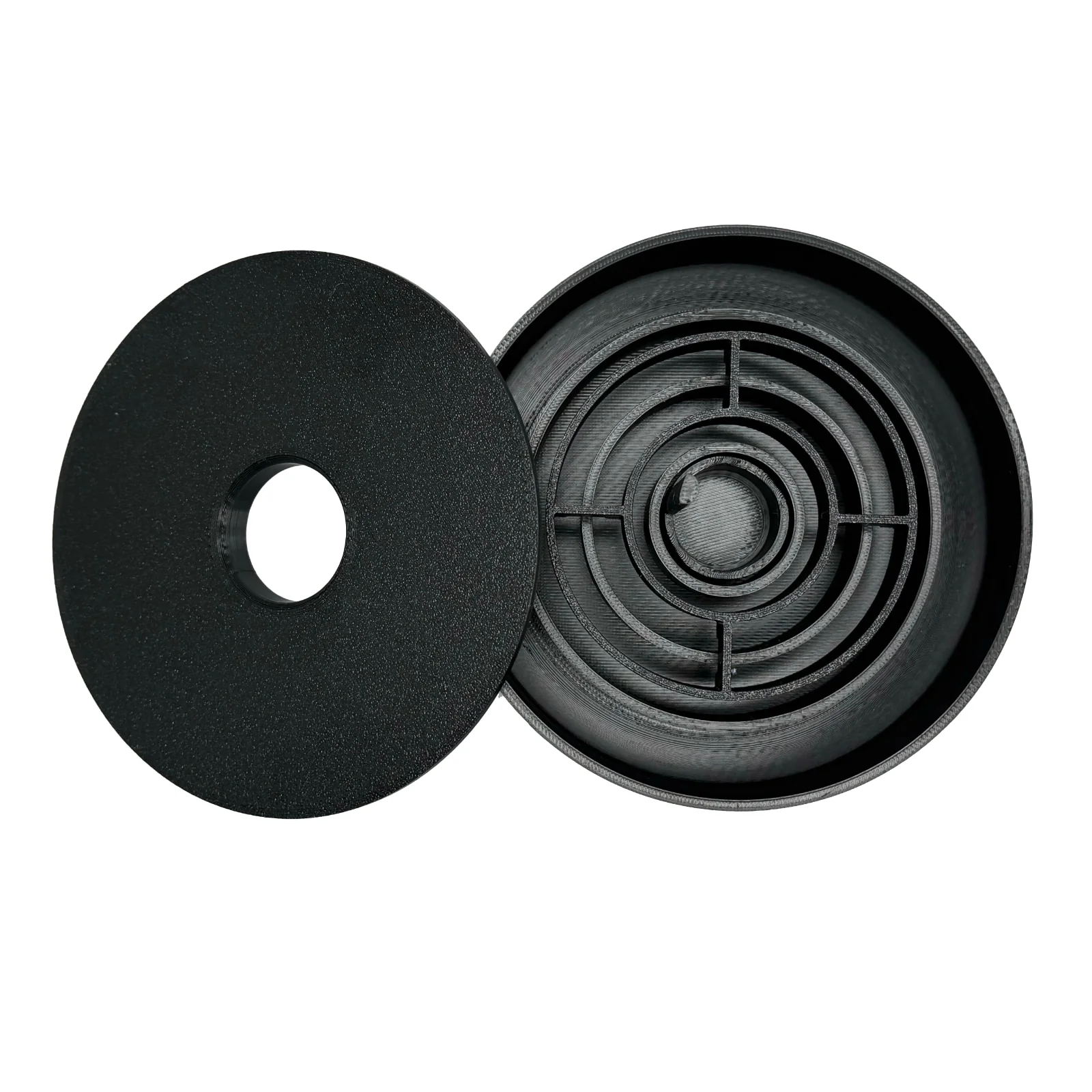
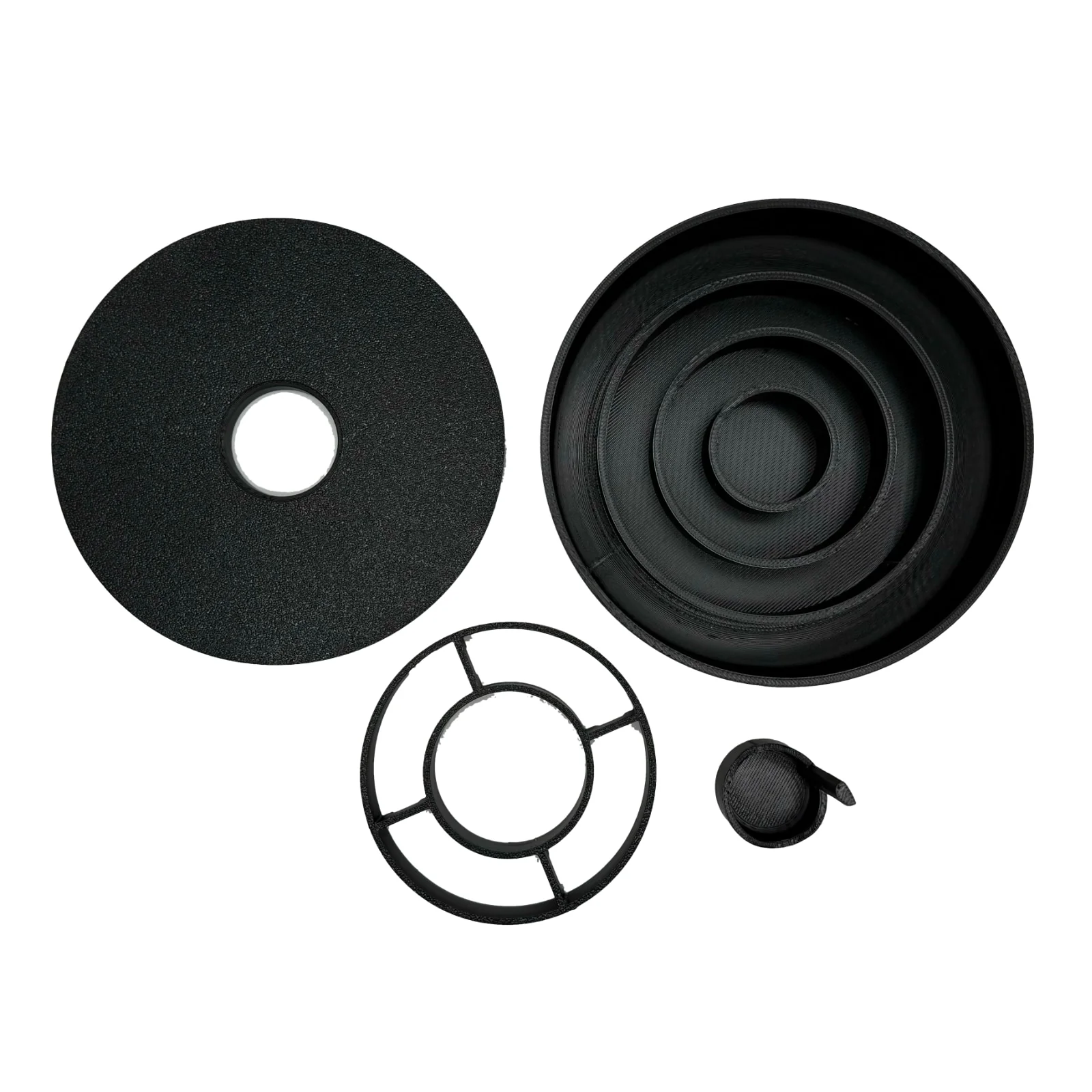
The PodHide Nano at 63mm height and 60mm width is designed for nano tanks, smaller sumps, and systems where the larger PodHide would be physically oversized or visually intrusive. The Nano version uses the same PETG material and the same multi-hole textured design, scaled for environments where a full-size unit is not appropriate.
The full-size PodHide at 85mm by 80mm is the right choice for standard and larger reef tanks with full refugium setups, display sumps of 40 litres or more, and systems where maximising copepod population output is the goal. Its greater internal surface area and larger cavity volume support a substantially higher copepod colony density than the Nano.
For keepers running both a display tank and a separate grow-out sump, using a full-size PodHide in the sump alongside a Nano in the display tank creates a two-tier system: the sump produces the core population, and the display tank unit provides a protected local population for mandarin or pipefish hunting without the main population being fully depleted.
Frequently Asked Questions
How long does it take for the population to establish?
With direct seeding using a full Reefphyto live copepod order, visible activity within the PodHide typically begins within the first week. A reproducing population producing consistent nauplius output into the water column is usually established within four to six weeks. Natural colonisation without direct seeding takes longer, typically six to twelve weeks depending on the existing copepod density in the system.
Where is the best position in the sump?
A low to moderate flow area where the structure will not be directly blasted by a return pump or powerhead. The copepods colonising the structure need gentle water movement for oxygen and food delivery but not high velocity flow that would dislodge nauplii before they attach. Positioning near a refugium light, where phytoplankton density is higher from algae growth, also helps by providing a local food source close to the structure.
Can I run multiple PodHides in the same system?
Yes. Running multiple units increases the total protected surface area available for colonisation and supports a higher overall copepod population density. Keepers with large sumps or refugiums, or those keeping multiple mandarin dragonets or other obligate copepod feeders, often find that two or three units produce a noticeably more robust and reliable population than a single unit.
Will the copepods leave the PodHide on their own?
Yes. Nauplii and adults migrate naturally into the water column and into the display tank through the sump return. This is the mechanism by which the display tank receives its continuous live food supply. The rate of migration is proportional to population density within the structure, a well-established, dense colony produces a steady output; a newly seeded one produces a smaller initial output that increases over time.
Can it be placed in the display tank rather than the sump?
Yes, though sump or refugium placement is preferable for most setups as it keeps the structure out of the main visual field and positions the copepod colony where it is less immediately accessible to the display tank's fish population. In a tank without a sump or for nano setups, display tank placement in a low-flow corner or behind rockwork is effective.
Designed in Wales. Built for Reef Keepers.
Reefphyto designed the PodHide in Wales after years of watching reef keepers invest in copepods that could not establish in predation-heavy systems. It is made from the same reef-safe PETG used in the Coral Grow Out Discs and the PodHide Nano, 3D printed in-house to consistent dimensions and quality. If you have questions about placement, seeding strategy, or how to build a complete copepod programme around the PodHide, contact us directly. Darren responds personally.