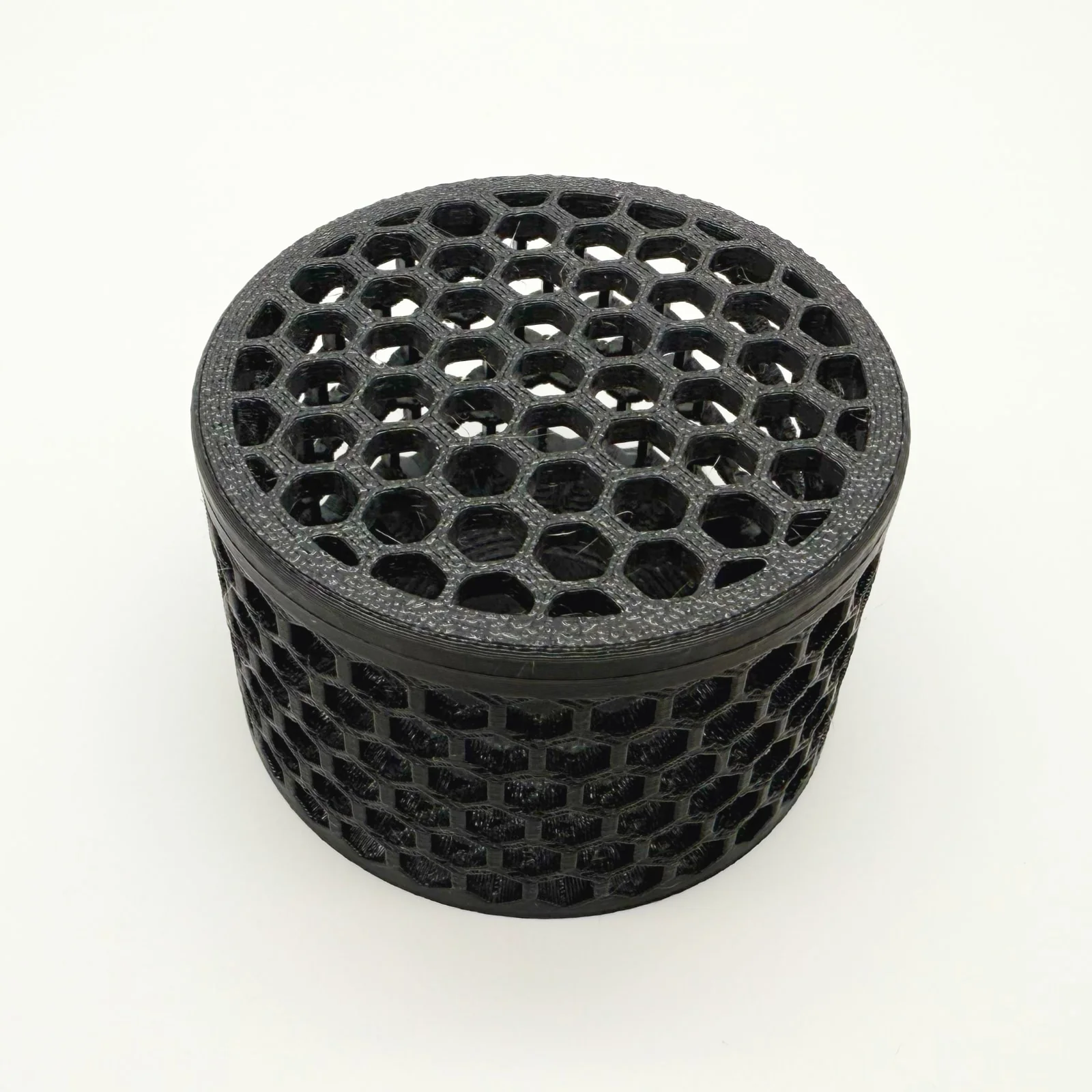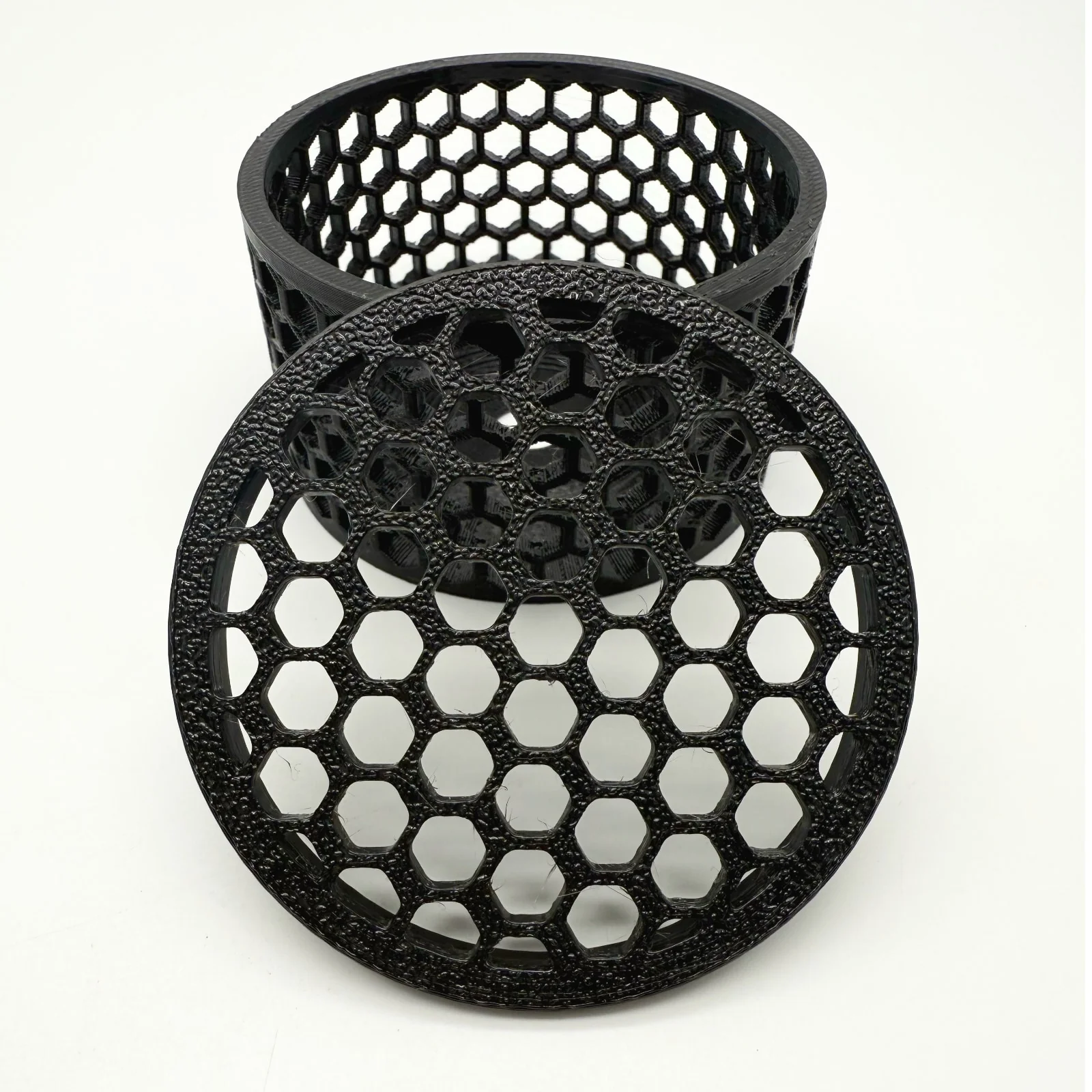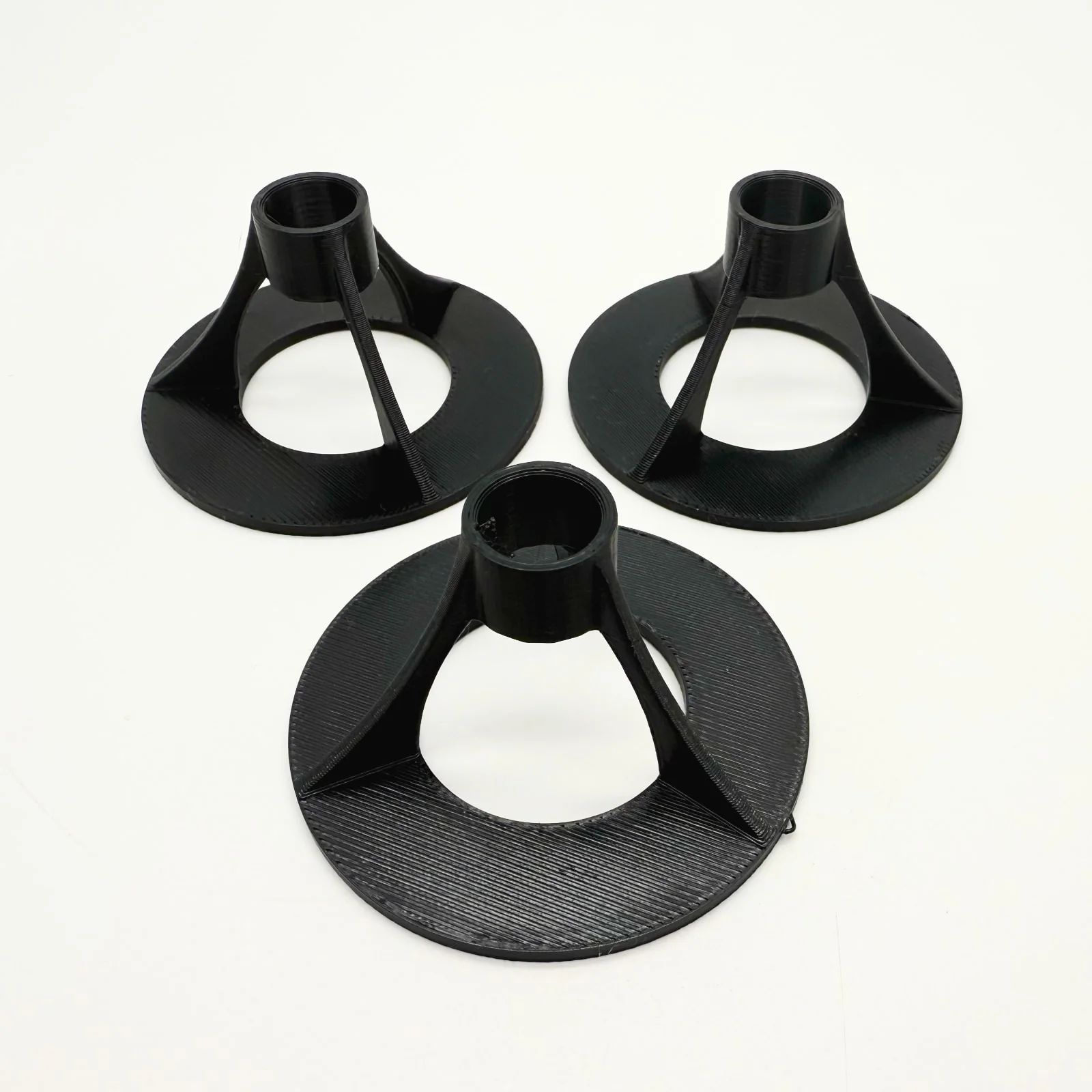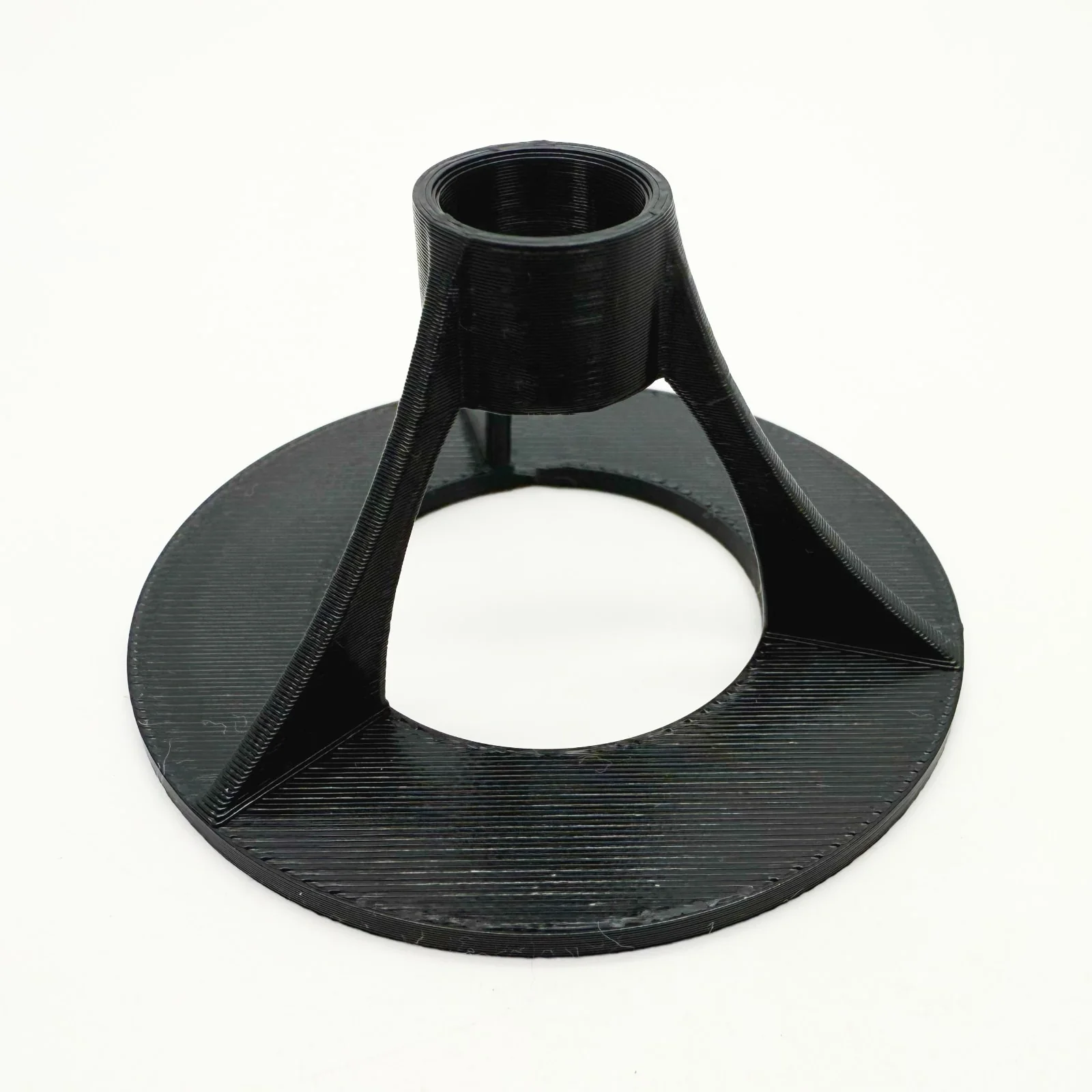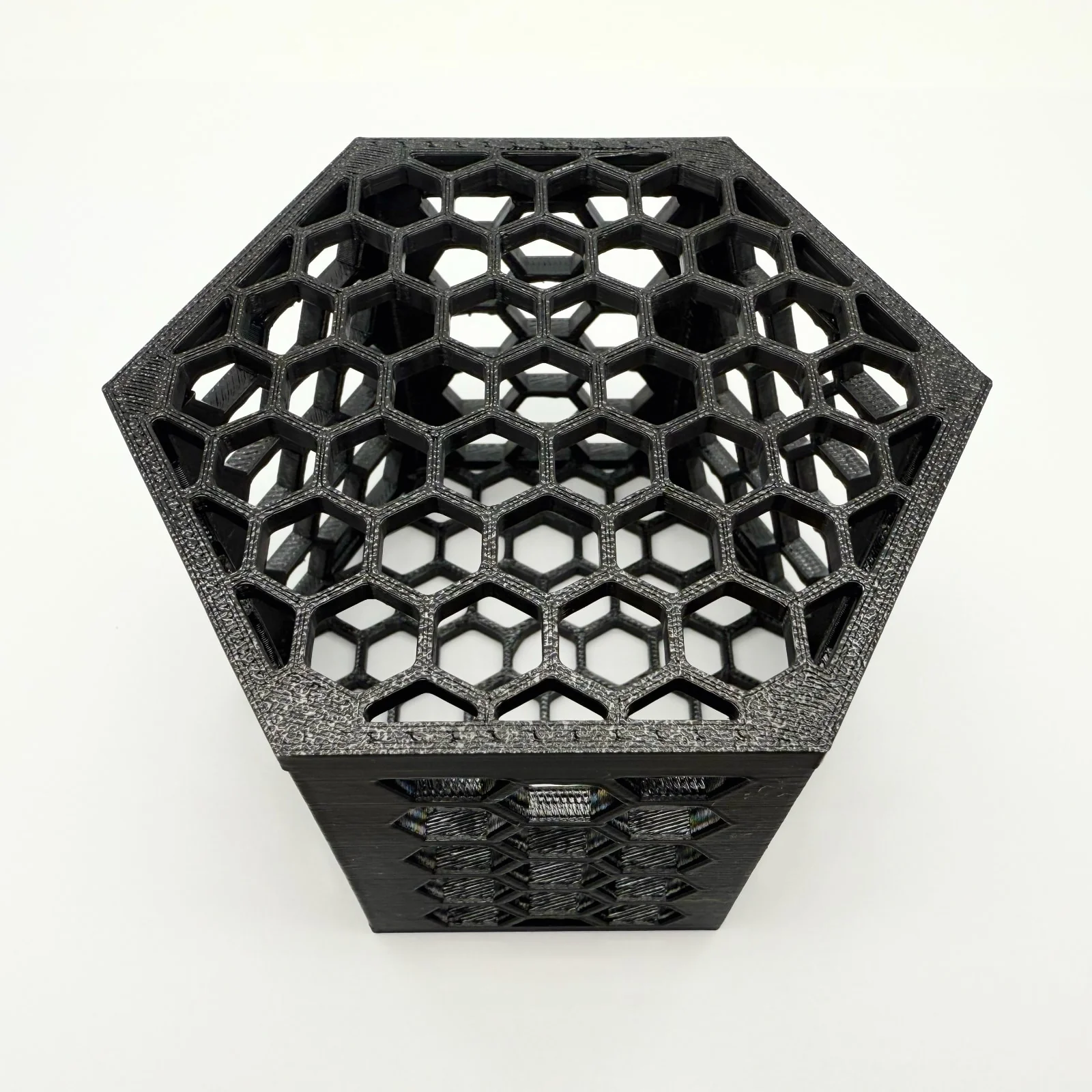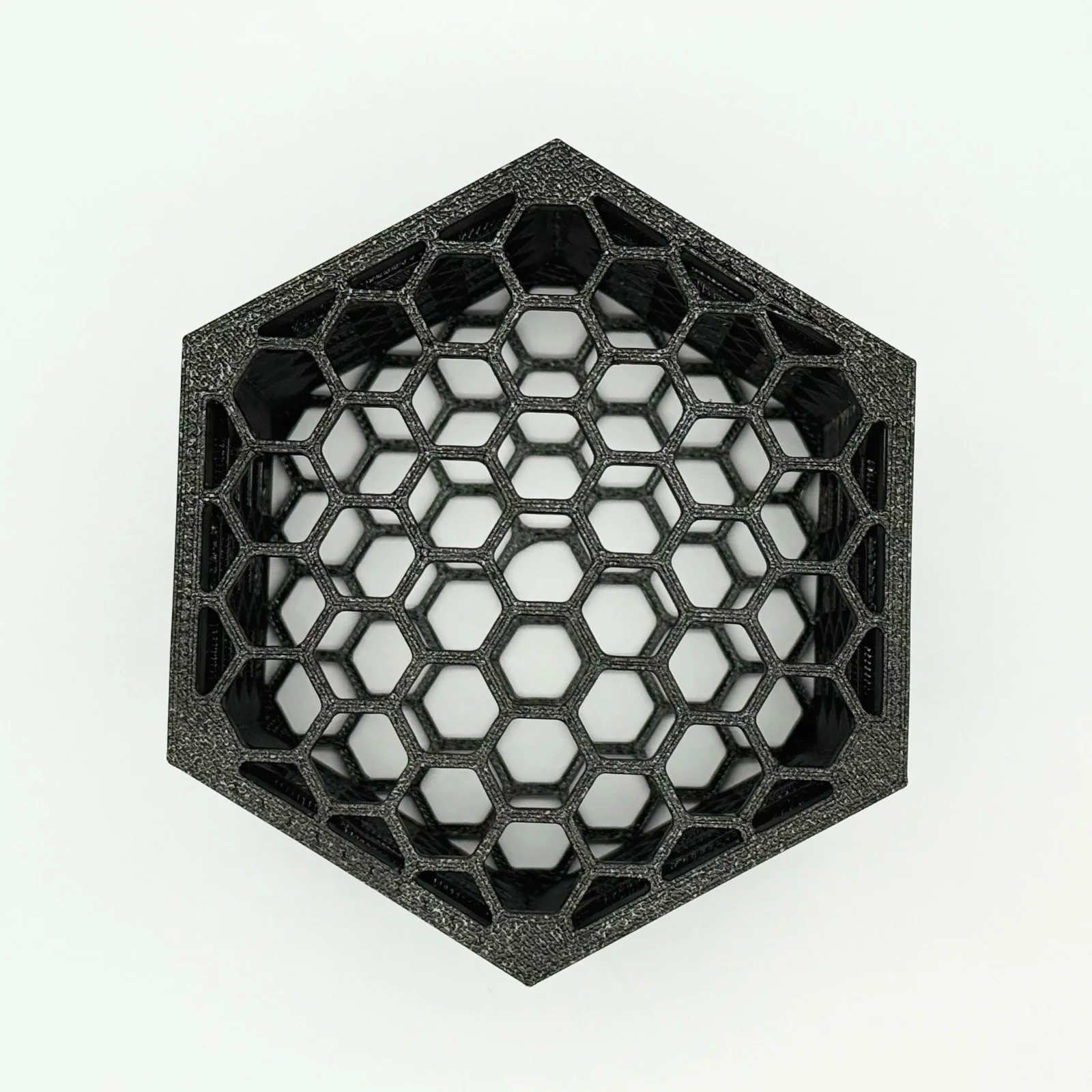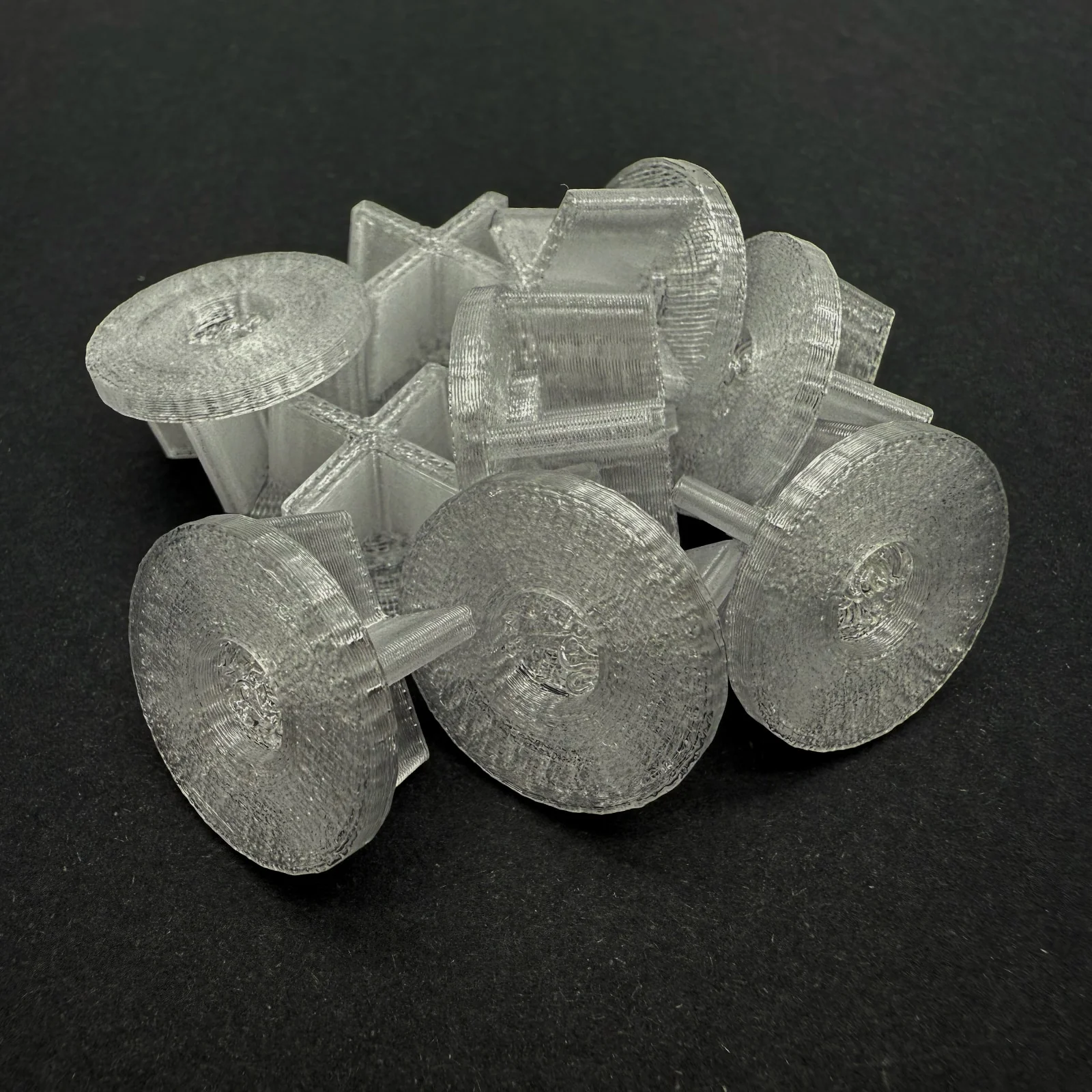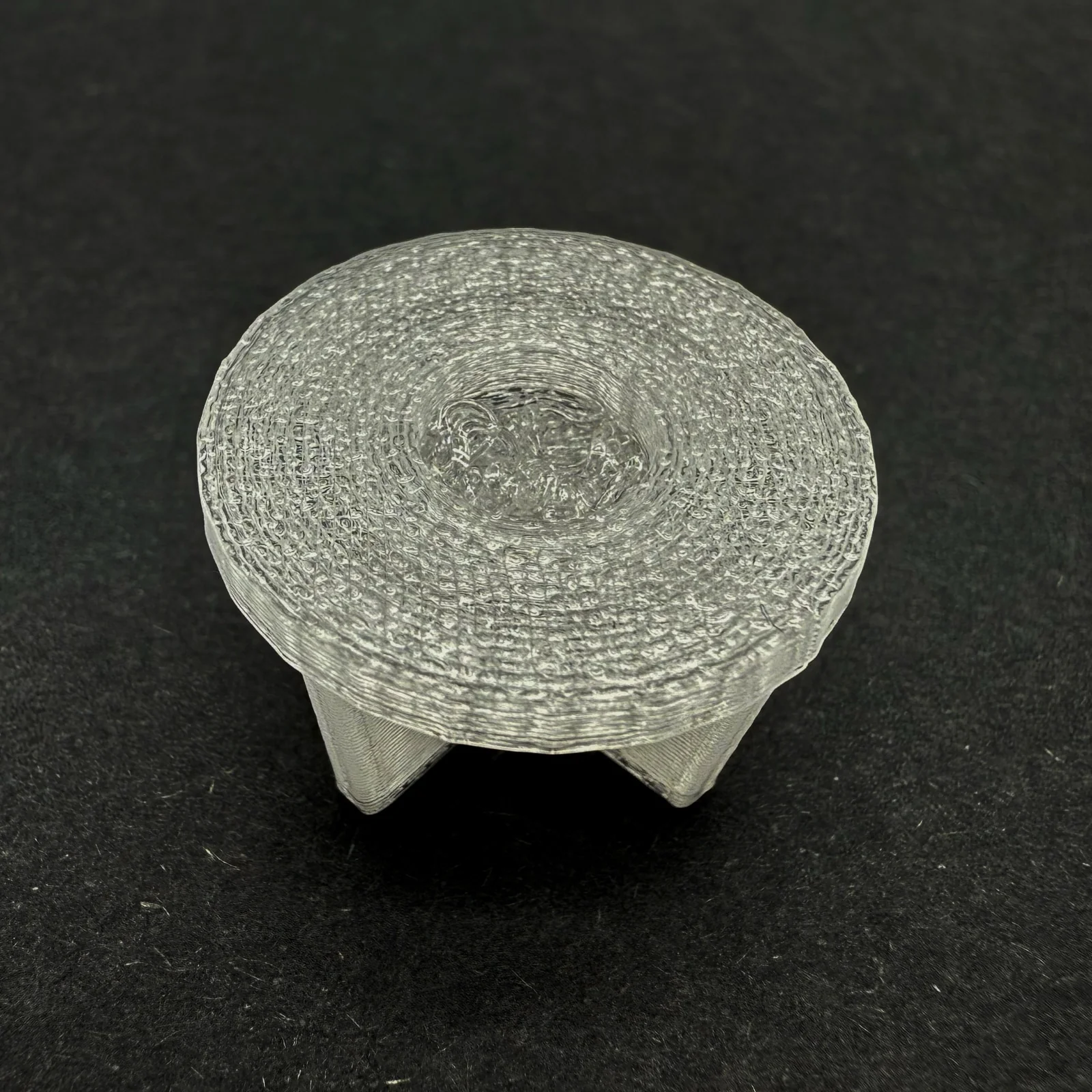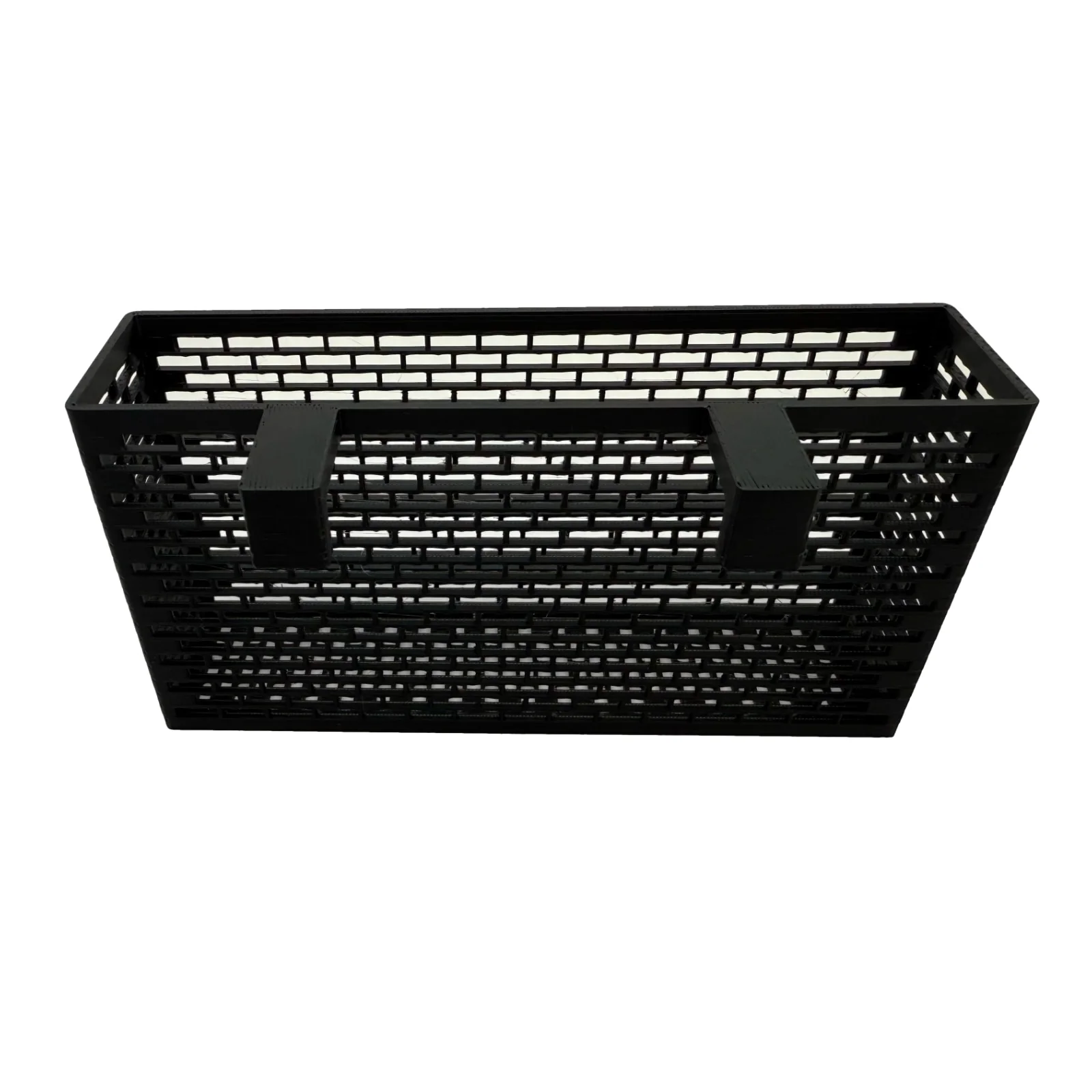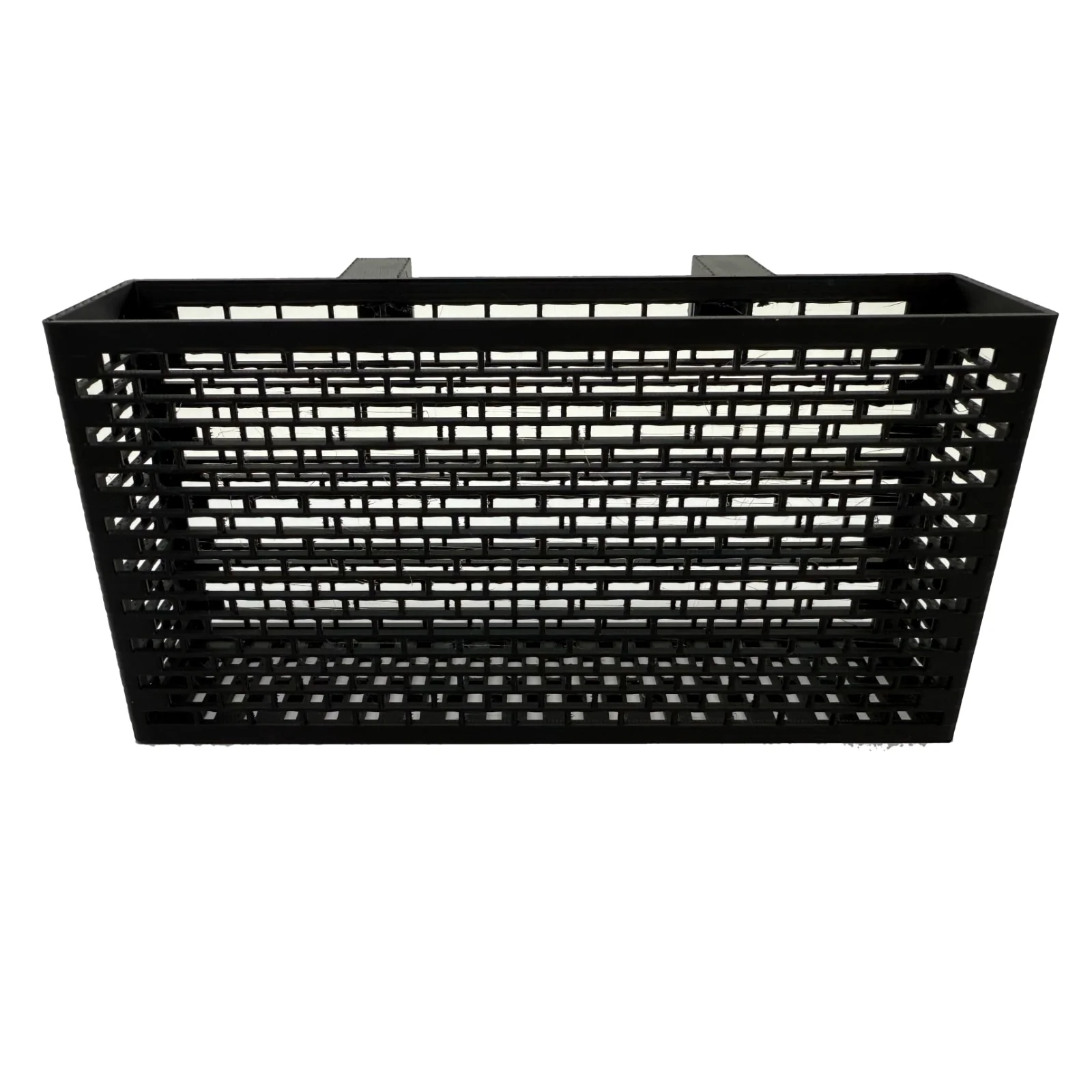
Reef Aquarium Frag Rack – 3D Printed with Suction Mount
Triangle Glass-Mounted Frag Rack – Space-Saving Reef Solution
In a display reef, every square centimetre of sandbed and rockwork is spoken for. When frags arrive, from a swap, a successful cut, or a new purchase that needs to establish before it goes on the rock finding somewhere to put them without disturbing the scape, crowding existing corals, or cluttering the floor is a problem that most display tank keepers run into constantly.
Floor-based racks and individual sandbed stands solve part of the problem, but they still compete for the same floor space that fish use for swimming, inverts use for grazing, and the rest of the layout depends on remaining clear. What a display tank often has in abundance is unused vertical glass, particularly in corners, where flow is good, lighting reaches from above, and there is nothing else.
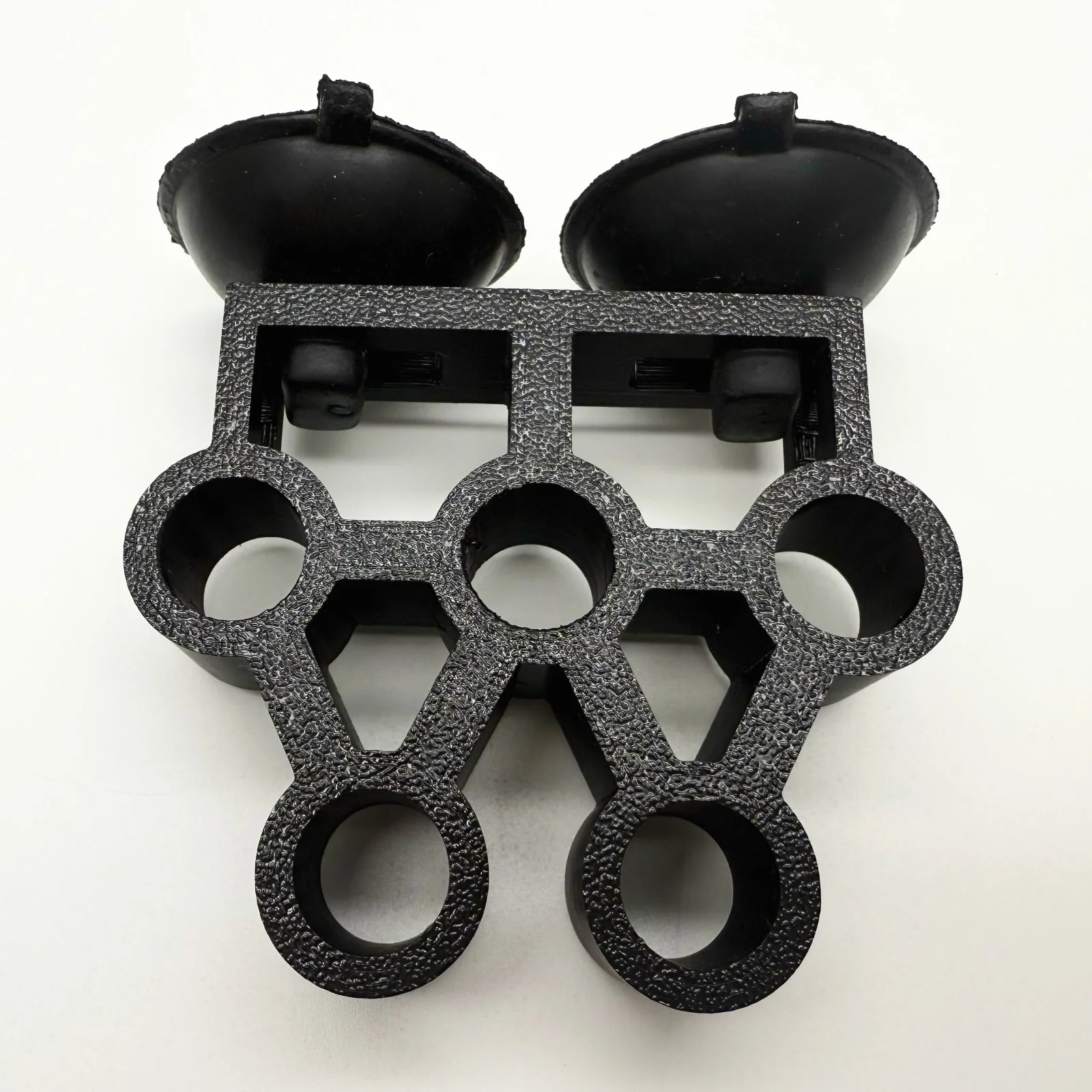
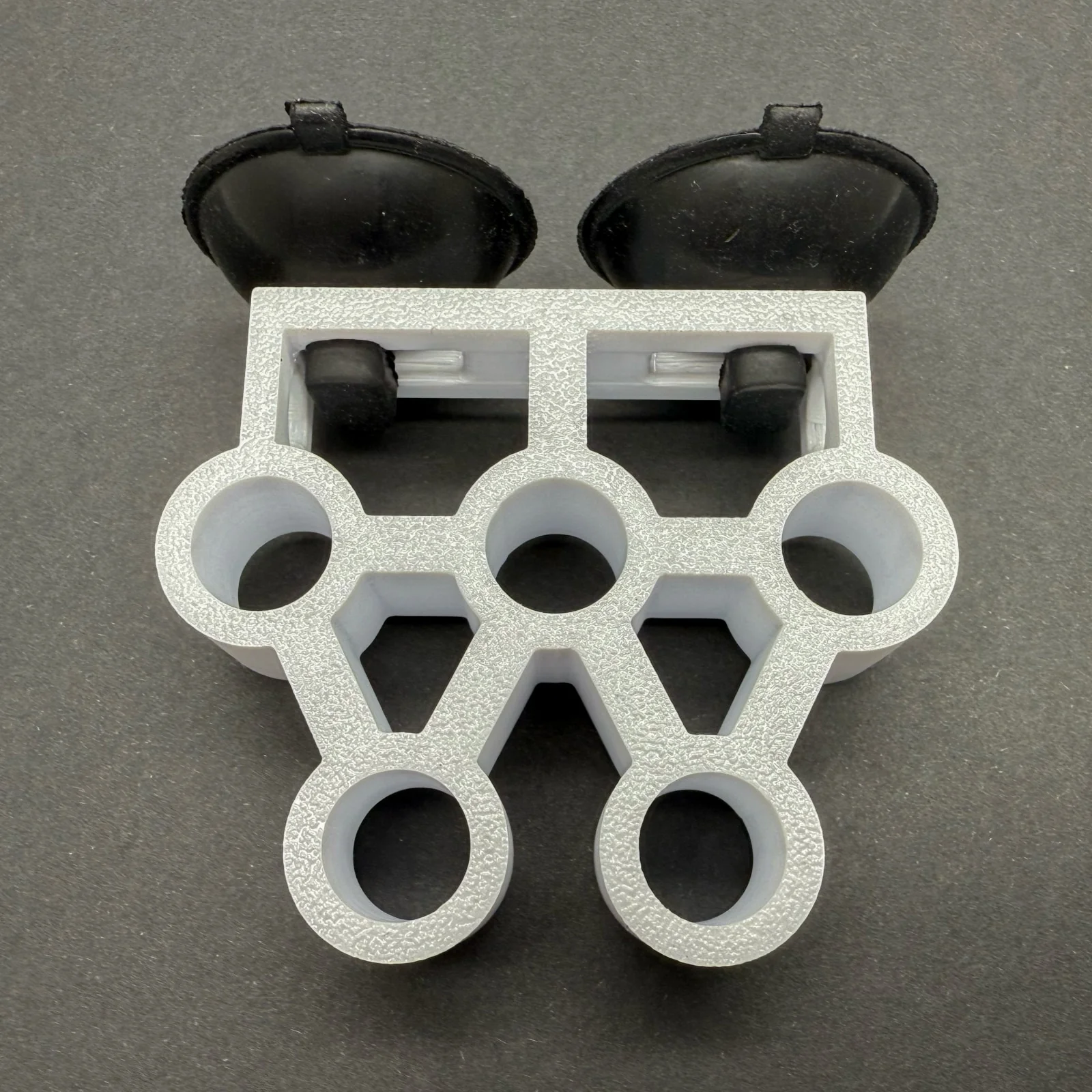
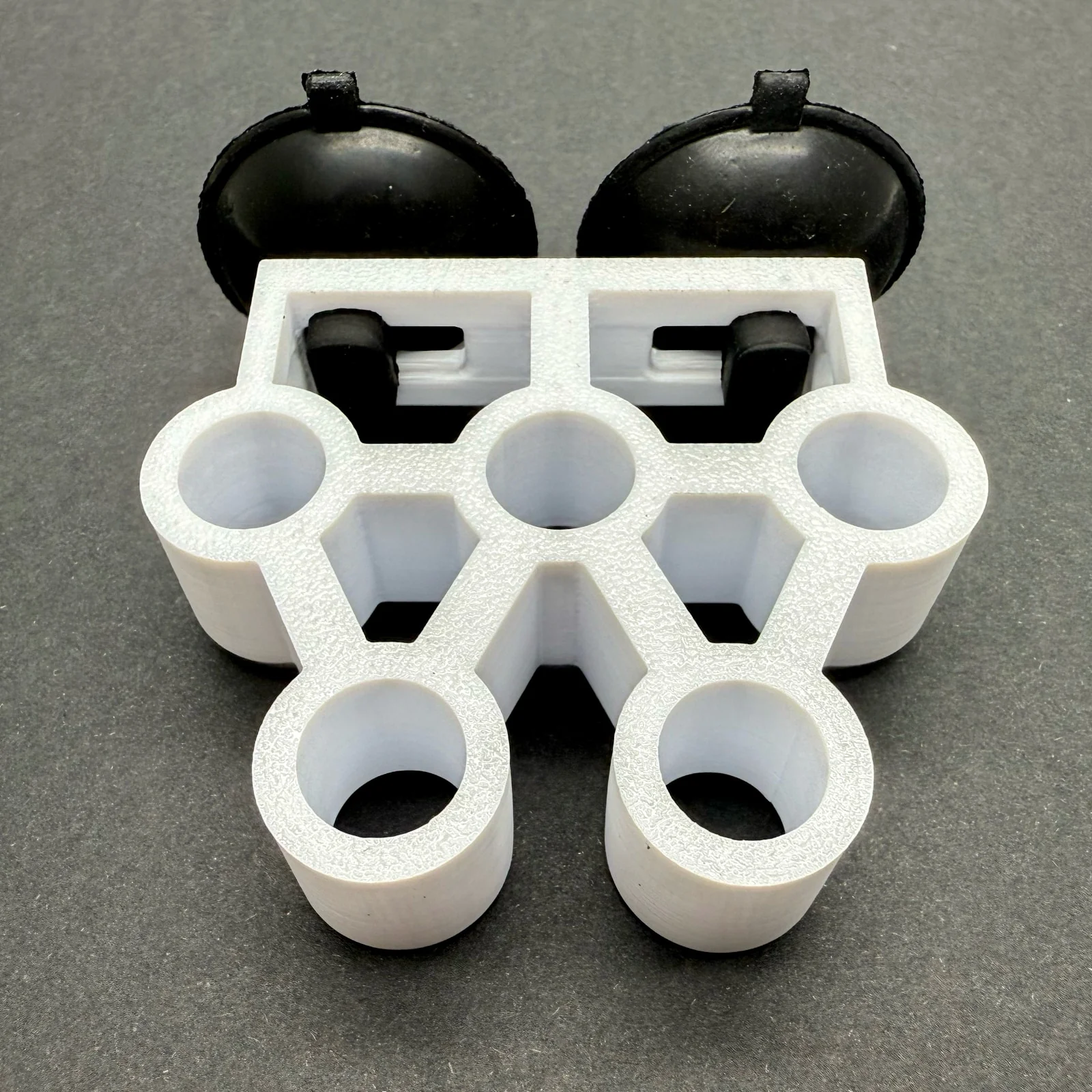
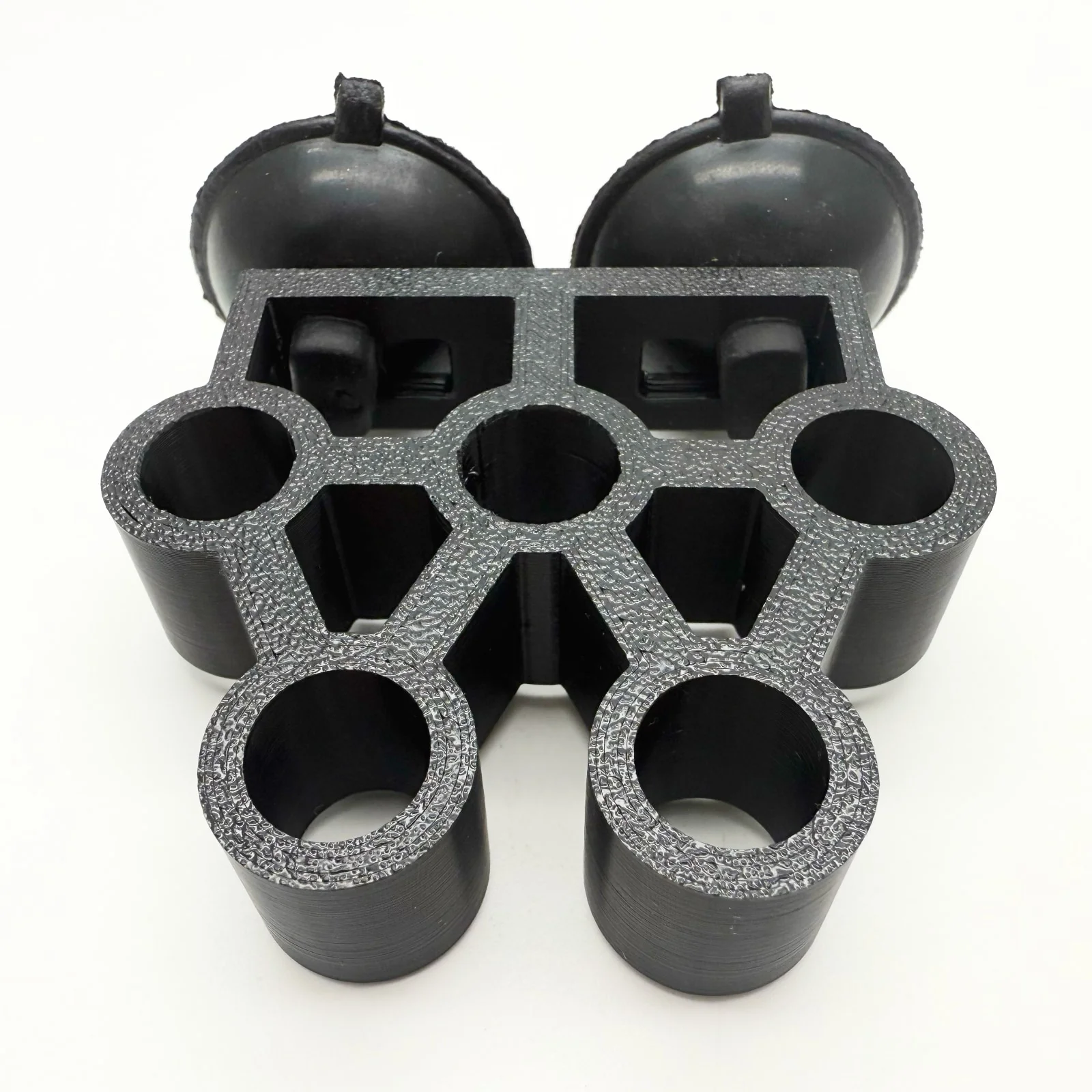
The Reefphyto Triangle Frag Rack mounts directly to the glass via suction cups, fitting neatly into a tank corner and holding 5 standard frag plugs at the height you choose. The triangular form factor fills corner space that a rectangular rack cannot use efficiently, and the suction mount removes the rack from the floor entirely leaving the sandbed clear, the scape undisturbed, and the frags sitting at whatever light and flow level suits them best. Printed from reef-safe PETG at our Welsh facility in black or white.
With frags mounted on the glass at mid or upper water column height, they receive consistent overhead lighting, unobstructed flow from adjacent powerheads, and full visibility for daily monitoring without needing to peer into the sandbed. Moving the rack for maintenance takes seconds, release the suction cups, reposition, press back to the glass.
We design and print every tool in the Reefphyto 3D reef tools range in Wales, with the same attention to practical function we bring to our live cultures. Darren is available directly if you have questions about placement, frag staging, or choosing the right rack format for your display tank.
Use the space your tank already has keep your floor clear and your frags where you can see them.
The best reef display tanks are carefully considered environments. The rockscape is intentional, the sandbed is part of the design, and every element has a place that contributes to the overall composition. Introducing frag racks into a display tank necessary as they are, can undermine all of that if the rack occupies floor space, interrupts flow around rockwork, or simply looks out of place against a considered layout. The Reefphyto Triangle Frag Rack solves this problem by moving frag storage off the floor entirely. It mounts to the glass via suction cups, sits in a tank corner, and holds five frags at precisely the height you choose without touching the sandbed, without competing with the scape, and without occupying swimming space that fish use throughout the day.
Why Glass Mounting Changes the Problem
Every other rack in the Reefphyto 3D reef tools range is freestanding, the Coral Frag Rack Stand, the Hex Stand, the Hex Grid Rack. These are all solutions for the tank floor: sandbed positioning, bare bottom frag tanks, sump staging. They are well suited to dedicated frag systems where the floor is available and the display is not a concern. In a display reef, the floor is rarely available in the way a dedicated frag tank is. The sandbed has inverts in it, the scape reaches down to it, and adding a rack means either displacing something or accepting that the carefully maintained floor now has a plastic structure sitting on it. Glass mounting removes the rack from that competition entirely. The suction cup system holds the rack against the tank wall at whatever height works for the frags and the system. Corners are the natural location triangular in plan, filled by a triangular rack, with no awkward gap between rack and glass that would trap detritus or make the mount look improvised.
Design and Specifications
The rack is triangular in form, designed to fit flush into a 90-degree tank corner with both glass faces of the corner providing the mounting surface. Two suction cups secure the rack in position, one on each glass face of the corner. This dual-point mounting distributes load evenly and provides stability that a single-surface suction mount cannot match, particularly important when five loaded frag plugs are adding weight to the rack. Five plug positions at 12mm inner diameter accommodate standard frag plug stems across the rack surface. The plug holes are spaced to prevent adjacent frags from contacting each other as polyps extend, a consideration that matters particularly in a display tank where LPS species with long sweeper tentacles may be staged alongside SPS frags. Printed from reef-safe PETG at the Reefphyto facility in Wales. Non-toxic, saltwater stable, and resistant to degradation under aquarium lighting. Available in black or white. £8.95.
H2: Placement - Height, Flow, and Lighting
One of the practical advantages of glass mounting is the ability to position frags at the exact height that suits their needs. SPS frags that need high light can be placed in the upper third of the water column. LPS frags that prefer moderate light can sit at mid-height. Soft coral frags being acclimated to new conditions can start low and be moved up gradually by repositioning the rack. This kind of height flexibility is not possible with a floor-based rack, where the frag is always at sandbed level regardless of what the coral actually needs. In a display reef with overhead lighting whether T5, LED, or hybrid, the difference in light intensity between the sandbed and 30cm higher can be significant, and being able to place frags precisely in the light zone that suits them supports faster establishment and reduces bleaching risk on light-sensitive species. For flow, positioning the rack on the corner adjacent to the main powerhead ensures that water movement reaches the plug positions from multiple angles as it disperses from the nozzle. The triangular form means there is no flat back face blocking flow away from the frags, water can reach the rack from the front and from both glass faces.
Display Tank vs Dedicated Frag Tank - Choosing the Right Rack
The glass-mounted triangle rack is designed specifically for display tanks where floor space and visual presentation matter. If you are running a dedicated frag tank where the floor is available and aesthetics are secondary to capacity, the flat Hex Grid Rack or the upright 13-Hole Hex Stand are more appropriate, they hold more plugs and cover more area efficiently. For individual frags on the sandbed during an establishment period in a display tank, the Coral Frag Rack Stand provides a single-plug sandbed solution without taking up significant floor space. The glass-mounted rack complements this by providing a staging area on the glass for frags that are ready to be positioned at height before going onto the rockscape permanently. Many display tank keepers use both individual sandbed stands for frags that need to establish low and close to the rock, and the glass-mounted rack for frags being held at mid-height while permanent placement is decided.
H2: Maintenance and Suction Cup Care
The suction cups that mount the rack to the glass are the one component that requires periodic attention. In saltwater environments, suction cups maintain their hold reliably for weeks to months, but they should be checked when the rack is removed for maintenance and replaced if they show signs of degradation or reduced grip. Standard aquarium suction cups are widely available as replacements if needed. To remove the rack for maintenance, press gently on each suction cup tab and lift, the rack releases cleanly without tools. Rinse in freshwater, clean any coralline encrustation from the plug holes and rack surface with a soft brush, and remount. The suction cups remount to clean, dry glass more effectively than to algae-coated glass wiping the mounting points on the glass before pressing the cups down is worth doing before each remount.
Frequently Asked Questions
Will the suction cups hold on curved glass? The suction cups are designed for flat glass. On curved glass, hold will be reduced and the rack may not sit flush against the corner. If your tank has curved corners, contact us before ordering. How much weight do the suction cups hold? The dual-mount design distributes the weight of five loaded frag plugs across two contact points. Under normal conditions with standard frag plugs and small to medium coral frags, the mount is stable. Very heavy plugs with large coral colonies may add enough weight to affect grip the rack is designed for frag-stage corals rather than established colonies. Can I mount it somewhere other than a corner? The triangular form is optimised for corner mounting. It can be placed on a flat glass wall surface but will only contact the glass on one face, reducing stability. Corner mounting is recommended for best results. Does it work in a sump? Yes, if the sump has flat glass walls and corners. Glass-mounting works on any smooth flat glass surface in a saltwater environment. Is it compatible with acrylic tanks? Suction cups work on acrylic as well as glass. Acrylic surfaces can be scratched by abrasive contact, so take care when mounting and removing not to drag the rack across the surface, lift directly off rather than sliding.
3D Reef Tools, Designed and Printed in Wales
The Triangle Glass-Mounted Frag Rack is part of the Reefphyto 3D reef tools range, designed and produced in-house at our Welsh facility. Every product in the range is built around a specific, practical problem that reef keepers face not novelty or aesthetics for their own sake. If you have questions about the rack, glass mounting in your specific tank, or how to build a frag staging system that works alongside your display, contact us directly. Darren is available personally and is glad to help.
Original: $11.95
-70%$11.95
$3.58Product Information
Product Information
Shipping & Returns
Shipping & Returns
Description
Triangle Glass-Mounted Frag Rack – Space-Saving Reef Solution
In a display reef, every square centimetre of sandbed and rockwork is spoken for. When frags arrive, from a swap, a successful cut, or a new purchase that needs to establish before it goes on the rock finding somewhere to put them without disturbing the scape, crowding existing corals, or cluttering the floor is a problem that most display tank keepers run into constantly.
Floor-based racks and individual sandbed stands solve part of the problem, but they still compete for the same floor space that fish use for swimming, inverts use for grazing, and the rest of the layout depends on remaining clear. What a display tank often has in abundance is unused vertical glass, particularly in corners, where flow is good, lighting reaches from above, and there is nothing else.
The Reefphyto Triangle Frag Rack mounts directly to the glass via suction cups, fitting neatly into a tank corner and holding 5 standard frag plugs at the height you choose. The triangular form factor fills corner space that a rectangular rack cannot use efficiently, and the suction mount removes the rack from the floor entirely leaving the sandbed clear, the scape undisturbed, and the frags sitting at whatever light and flow level suits them best. Printed from reef-safe PETG at our Welsh facility in black or white.
With frags mounted on the glass at mid or upper water column height, they receive consistent overhead lighting, unobstructed flow from adjacent powerheads, and full visibility for daily monitoring without needing to peer into the sandbed. Moving the rack for maintenance takes seconds, release the suction cups, reposition, press back to the glass.
We design and print every tool in the Reefphyto 3D reef tools range in Wales, with the same attention to practical function we bring to our live cultures. Darren is available directly if you have questions about placement, frag staging, or choosing the right rack format for your display tank.
Use the space your tank already has keep your floor clear and your frags where you can see them.
The best reef display tanks are carefully considered environments. The rockscape is intentional, the sandbed is part of the design, and every element has a place that contributes to the overall composition. Introducing frag racks into a display tank necessary as they are, can undermine all of that if the rack occupies floor space, interrupts flow around rockwork, or simply looks out of place against a considered layout. The Reefphyto Triangle Frag Rack solves this problem by moving frag storage off the floor entirely. It mounts to the glass via suction cups, sits in a tank corner, and holds five frags at precisely the height you choose without touching the sandbed, without competing with the scape, and without occupying swimming space that fish use throughout the day.
Why Glass Mounting Changes the Problem
Every other rack in the Reefphyto 3D reef tools range is freestanding, the Coral Frag Rack Stand, the Hex Stand, the Hex Grid Rack. These are all solutions for the tank floor: sandbed positioning, bare bottom frag tanks, sump staging. They are well suited to dedicated frag systems where the floor is available and the display is not a concern. In a display reef, the floor is rarely available in the way a dedicated frag tank is. The sandbed has inverts in it, the scape reaches down to it, and adding a rack means either displacing something or accepting that the carefully maintained floor now has a plastic structure sitting on it. Glass mounting removes the rack from that competition entirely. The suction cup system holds the rack against the tank wall at whatever height works for the frags and the system. Corners are the natural location triangular in plan, filled by a triangular rack, with no awkward gap between rack and glass that would trap detritus or make the mount look improvised.
Design and Specifications
The rack is triangular in form, designed to fit flush into a 90-degree tank corner with both glass faces of the corner providing the mounting surface. Two suction cups secure the rack in position, one on each glass face of the corner. This dual-point mounting distributes load evenly and provides stability that a single-surface suction mount cannot match, particularly important when five loaded frag plugs are adding weight to the rack. Five plug positions at 12mm inner diameter accommodate standard frag plug stems across the rack surface. The plug holes are spaced to prevent adjacent frags from contacting each other as polyps extend, a consideration that matters particularly in a display tank where LPS species with long sweeper tentacles may be staged alongside SPS frags. Printed from reef-safe PETG at the Reefphyto facility in Wales. Non-toxic, saltwater stable, and resistant to degradation under aquarium lighting. Available in black or white. £8.95.
H2: Placement - Height, Flow, and Lighting
One of the practical advantages of glass mounting is the ability to position frags at the exact height that suits their needs. SPS frags that need high light can be placed in the upper third of the water column. LPS frags that prefer moderate light can sit at mid-height. Soft coral frags being acclimated to new conditions can start low and be moved up gradually by repositioning the rack. This kind of height flexibility is not possible with a floor-based rack, where the frag is always at sandbed level regardless of what the coral actually needs. In a display reef with overhead lighting whether T5, LED, or hybrid, the difference in light intensity between the sandbed and 30cm higher can be significant, and being able to place frags precisely in the light zone that suits them supports faster establishment and reduces bleaching risk on light-sensitive species. For flow, positioning the rack on the corner adjacent to the main powerhead ensures that water movement reaches the plug positions from multiple angles as it disperses from the nozzle. The triangular form means there is no flat back face blocking flow away from the frags, water can reach the rack from the front and from both glass faces.
Display Tank vs Dedicated Frag Tank - Choosing the Right Rack
The glass-mounted triangle rack is designed specifically for display tanks where floor space and visual presentation matter. If you are running a dedicated frag tank where the floor is available and aesthetics are secondary to capacity, the flat Hex Grid Rack or the upright 13-Hole Hex Stand are more appropriate, they hold more plugs and cover more area efficiently. For individual frags on the sandbed during an establishment period in a display tank, the Coral Frag Rack Stand provides a single-plug sandbed solution without taking up significant floor space. The glass-mounted rack complements this by providing a staging area on the glass for frags that are ready to be positioned at height before going onto the rockscape permanently. Many display tank keepers use both individual sandbed stands for frags that need to establish low and close to the rock, and the glass-mounted rack for frags being held at mid-height while permanent placement is decided.
H2: Maintenance and Suction Cup Care
The suction cups that mount the rack to the glass are the one component that requires periodic attention. In saltwater environments, suction cups maintain their hold reliably for weeks to months, but they should be checked when the rack is removed for maintenance and replaced if they show signs of degradation or reduced grip. Standard aquarium suction cups are widely available as replacements if needed. To remove the rack for maintenance, press gently on each suction cup tab and lift, the rack releases cleanly without tools. Rinse in freshwater, clean any coralline encrustation from the plug holes and rack surface with a soft brush, and remount. The suction cups remount to clean, dry glass more effectively than to algae-coated glass wiping the mounting points on the glass before pressing the cups down is worth doing before each remount.
Frequently Asked Questions
Will the suction cups hold on curved glass? The suction cups are designed for flat glass. On curved glass, hold will be reduced and the rack may not sit flush against the corner. If your tank has curved corners, contact us before ordering. How much weight do the suction cups hold? The dual-mount design distributes the weight of five loaded frag plugs across two contact points. Under normal conditions with standard frag plugs and small to medium coral frags, the mount is stable. Very heavy plugs with large coral colonies may add enough weight to affect grip the rack is designed for frag-stage corals rather than established colonies. Can I mount it somewhere other than a corner? The triangular form is optimised for corner mounting. It can be placed on a flat glass wall surface but will only contact the glass on one face, reducing stability. Corner mounting is recommended for best results. Does it work in a sump? Yes, if the sump has flat glass walls and corners. Glass-mounting works on any smooth flat glass surface in a saltwater environment. Is it compatible with acrylic tanks? Suction cups work on acrylic as well as glass. Acrylic surfaces can be scratched by abrasive contact, so take care when mounting and removing not to drag the rack across the surface, lift directly off rather than sliding.
3D Reef Tools, Designed and Printed in Wales
The Triangle Glass-Mounted Frag Rack is part of the Reefphyto 3D reef tools range, designed and produced in-house at our Welsh facility. Every product in the range is built around a specific, practical problem that reef keepers face not novelty or aesthetics for their own sake. If you have questions about the rack, glass mounting in your specific tank, or how to build a frag staging system that works alongside your display, contact us directly. Darren is available personally and is glad to help.