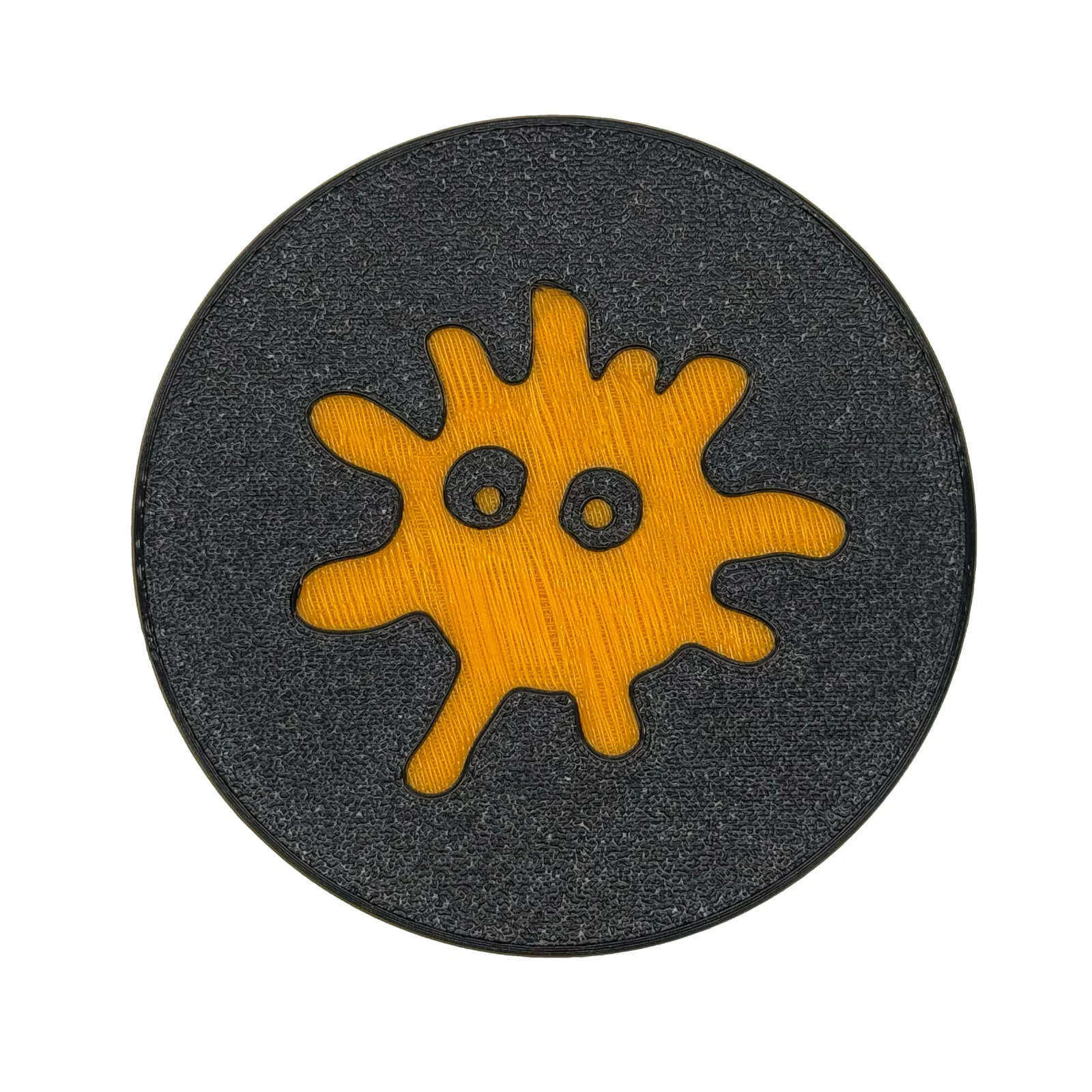
Reefphyto PodHide Nano – Copepod Shelter & Breeding Station for Smaller Tanks, Nano Systems
PodHide Nano - Copepod Shelter and Breeding Station for Nano Reef Tanks
You added copepods. Within a few days they were gone. In a smaller tank, that happens fast. There is nowhere for pods to hide, and the fish find them before the population has any chance to establish.
The problem is not the copepods. It is the environment. Without structure and shelter, a newly introduced copepod culture has no refuge from predation, no safe surface to attach to, and no space to reproduce. In a nano system that gap closes even faster than in a larger display. The result is a tank that consumes every pod you add and never builds the self-sustaining population your fish actually need.
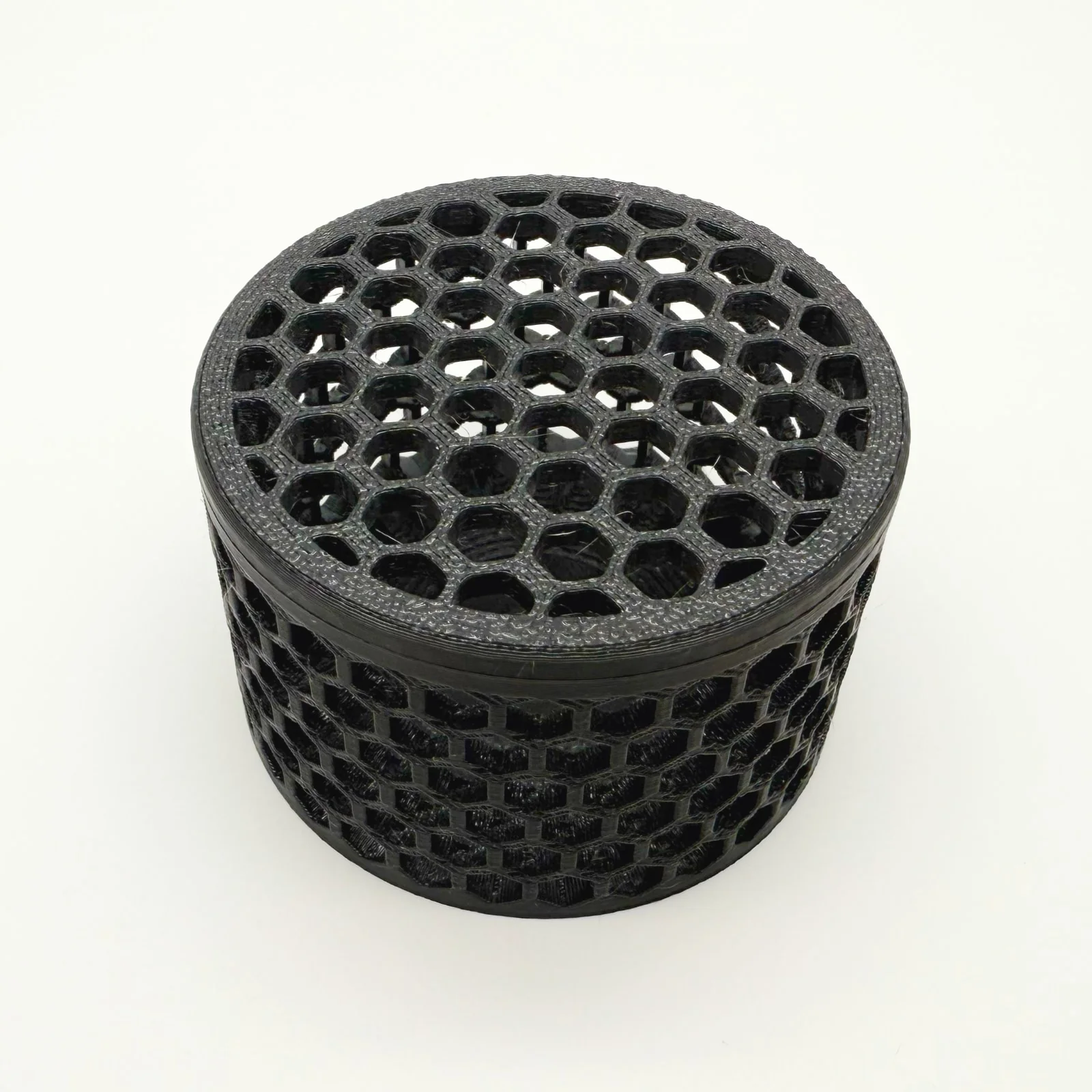
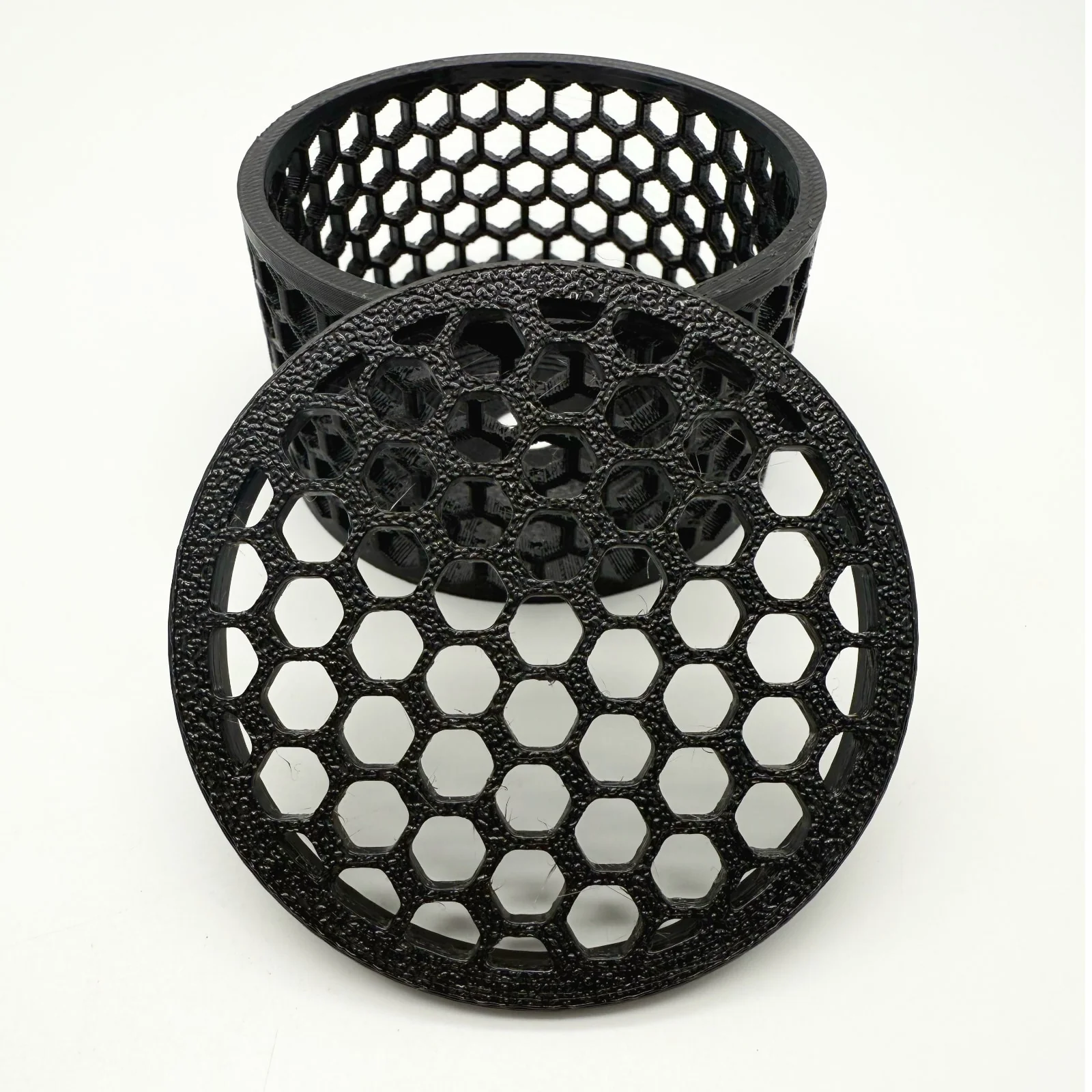
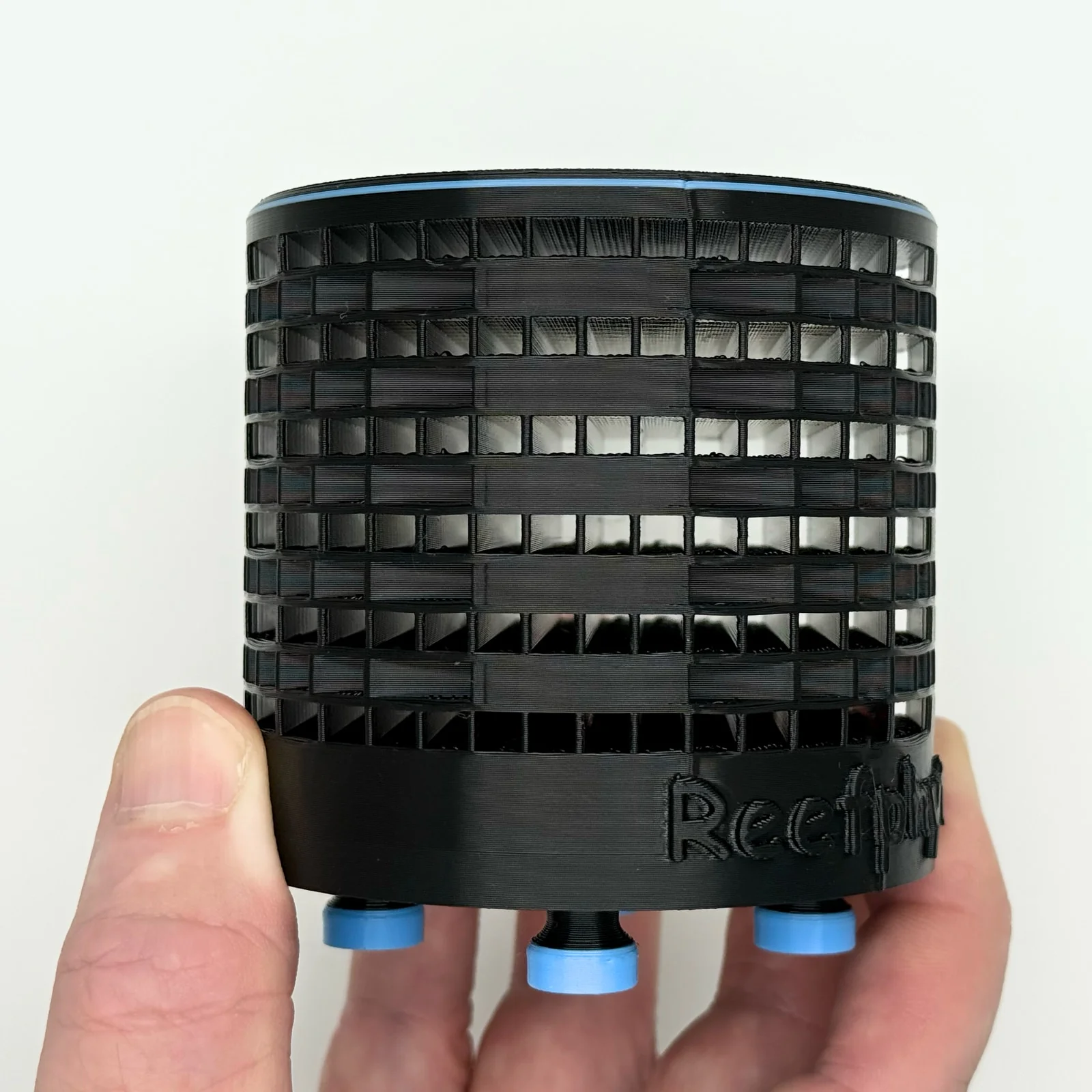
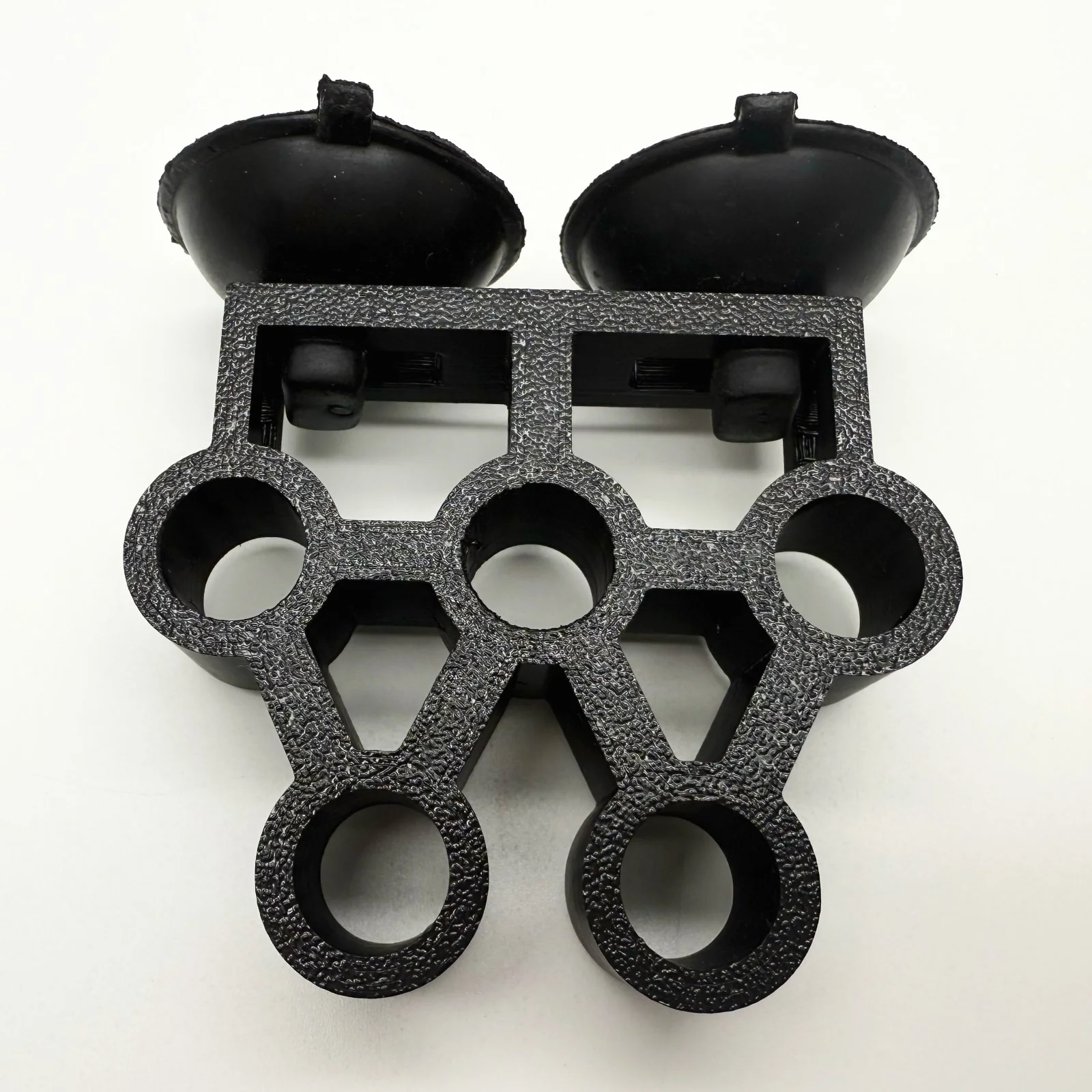
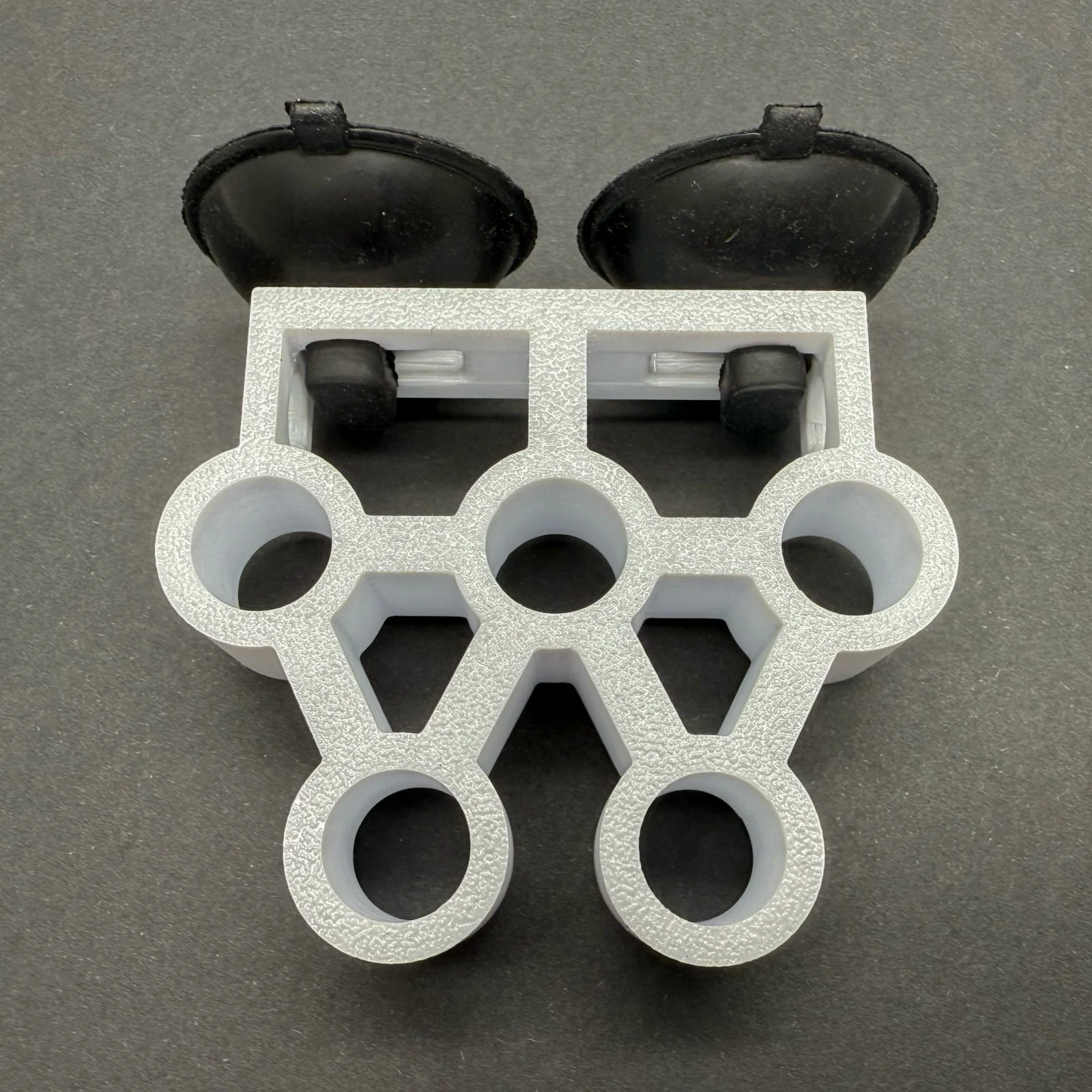
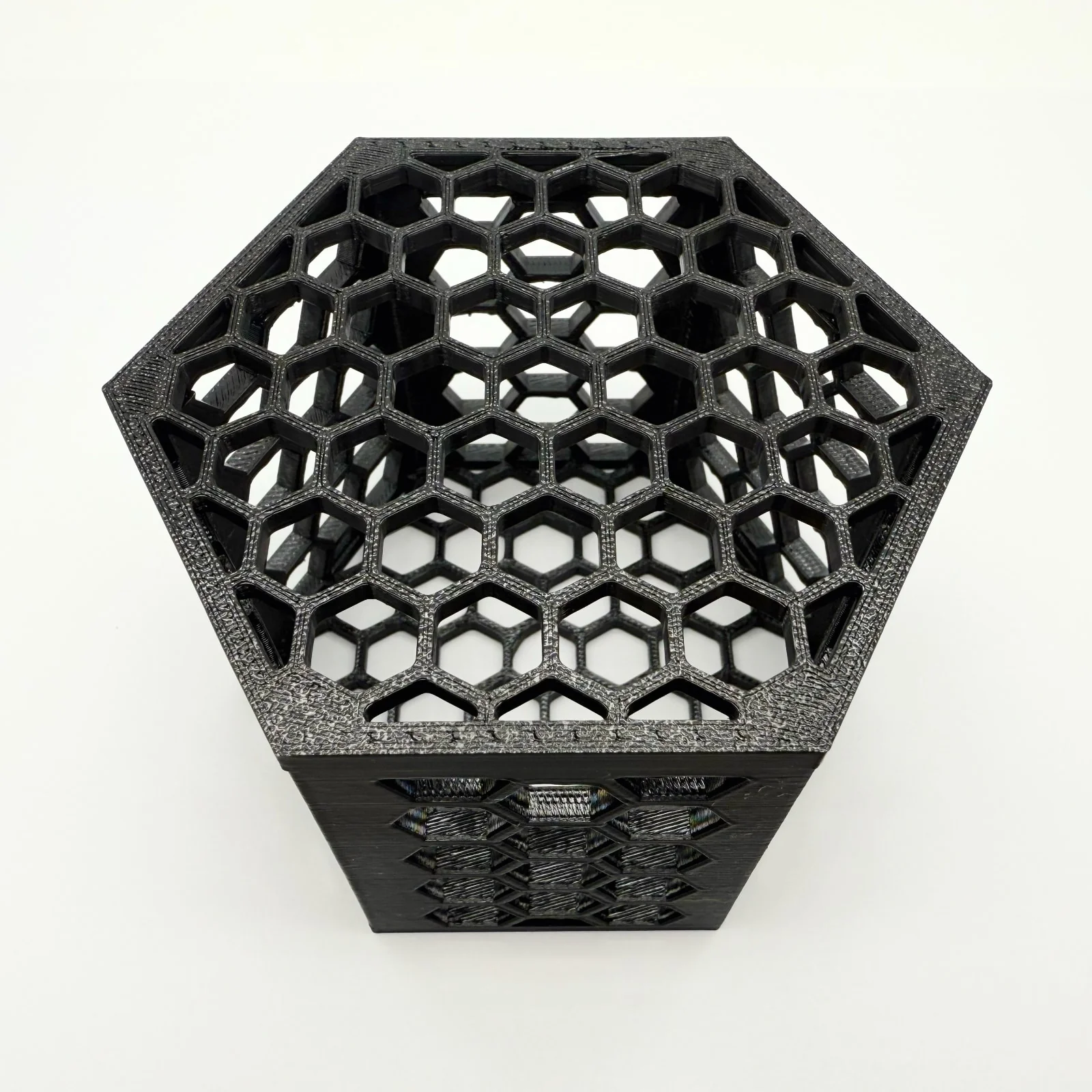
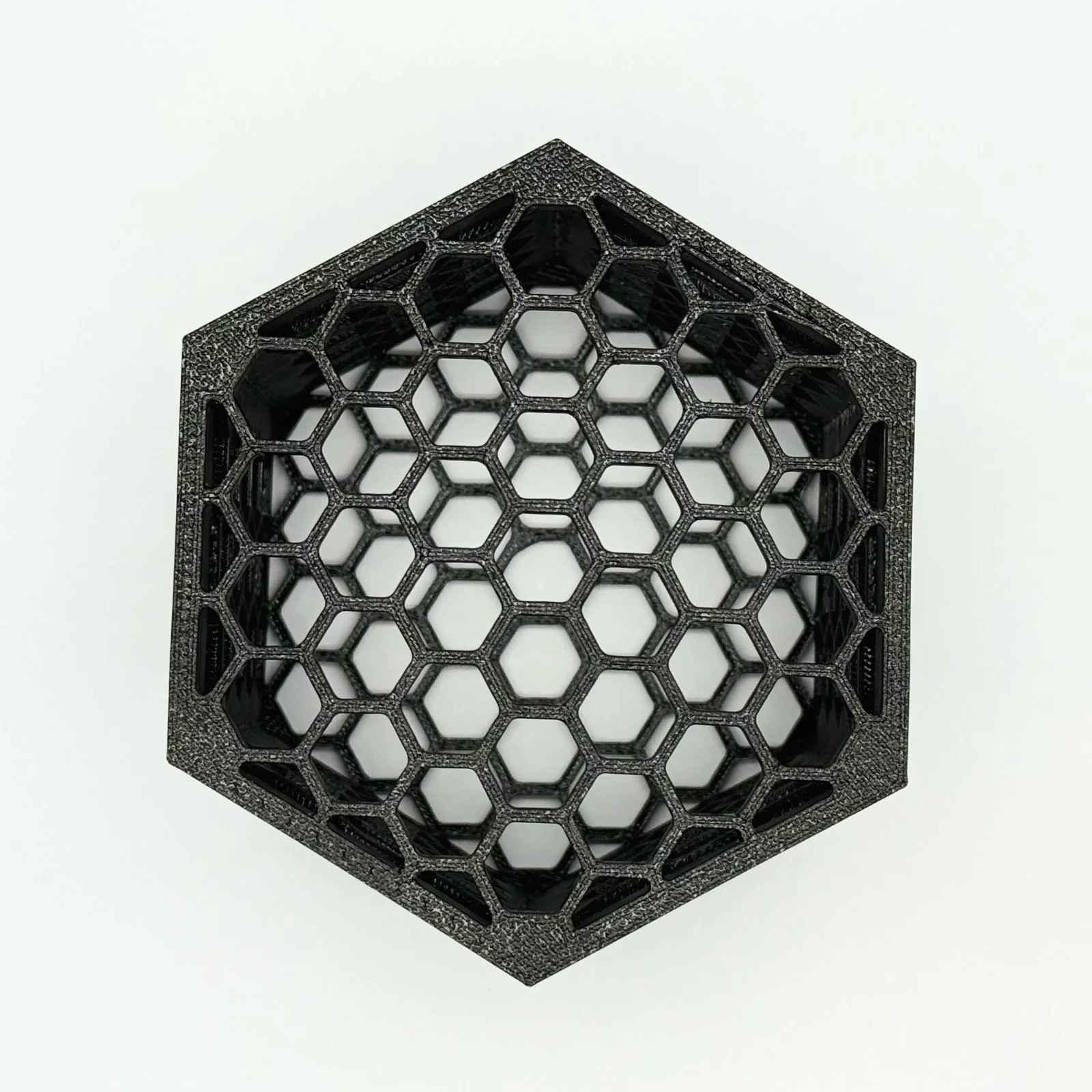
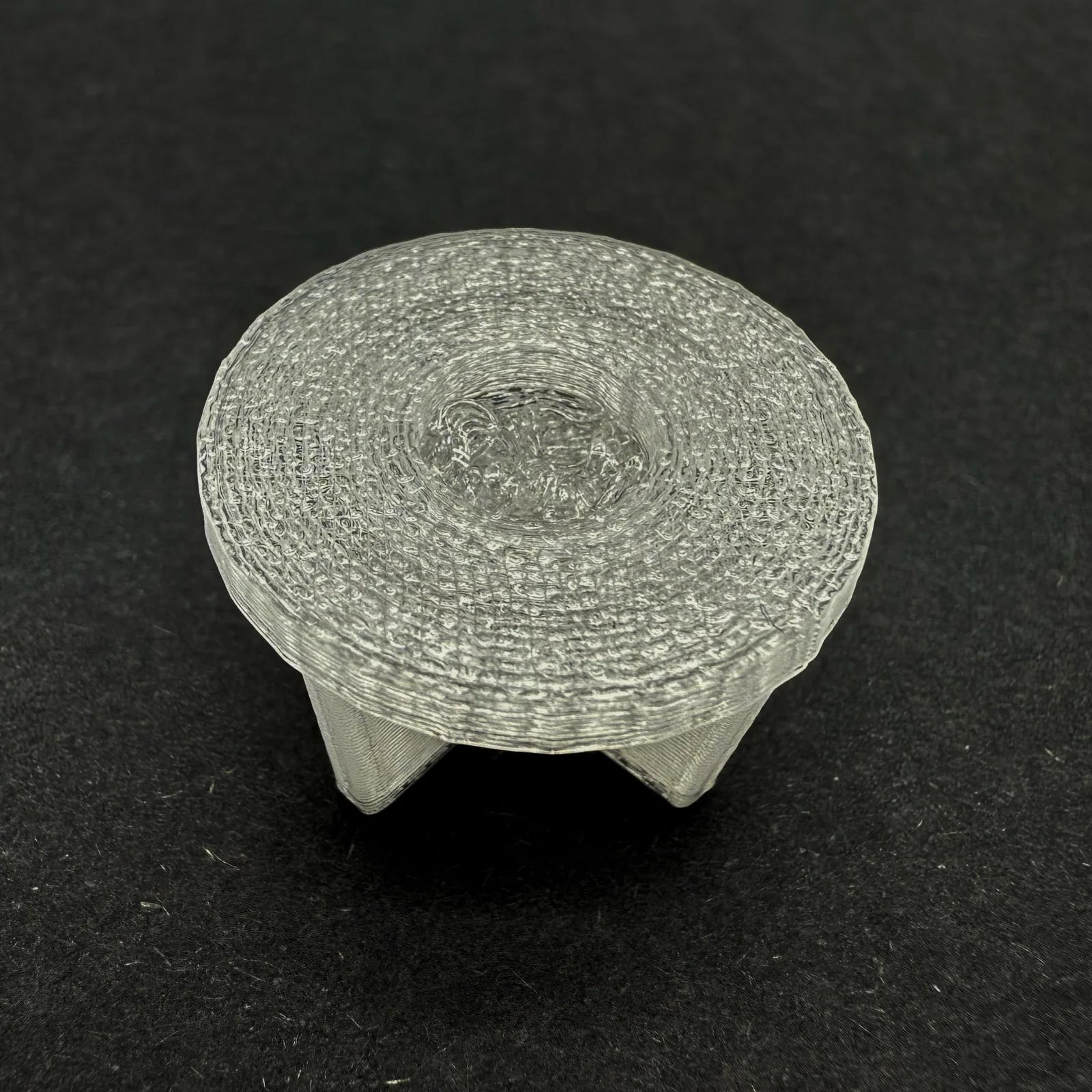
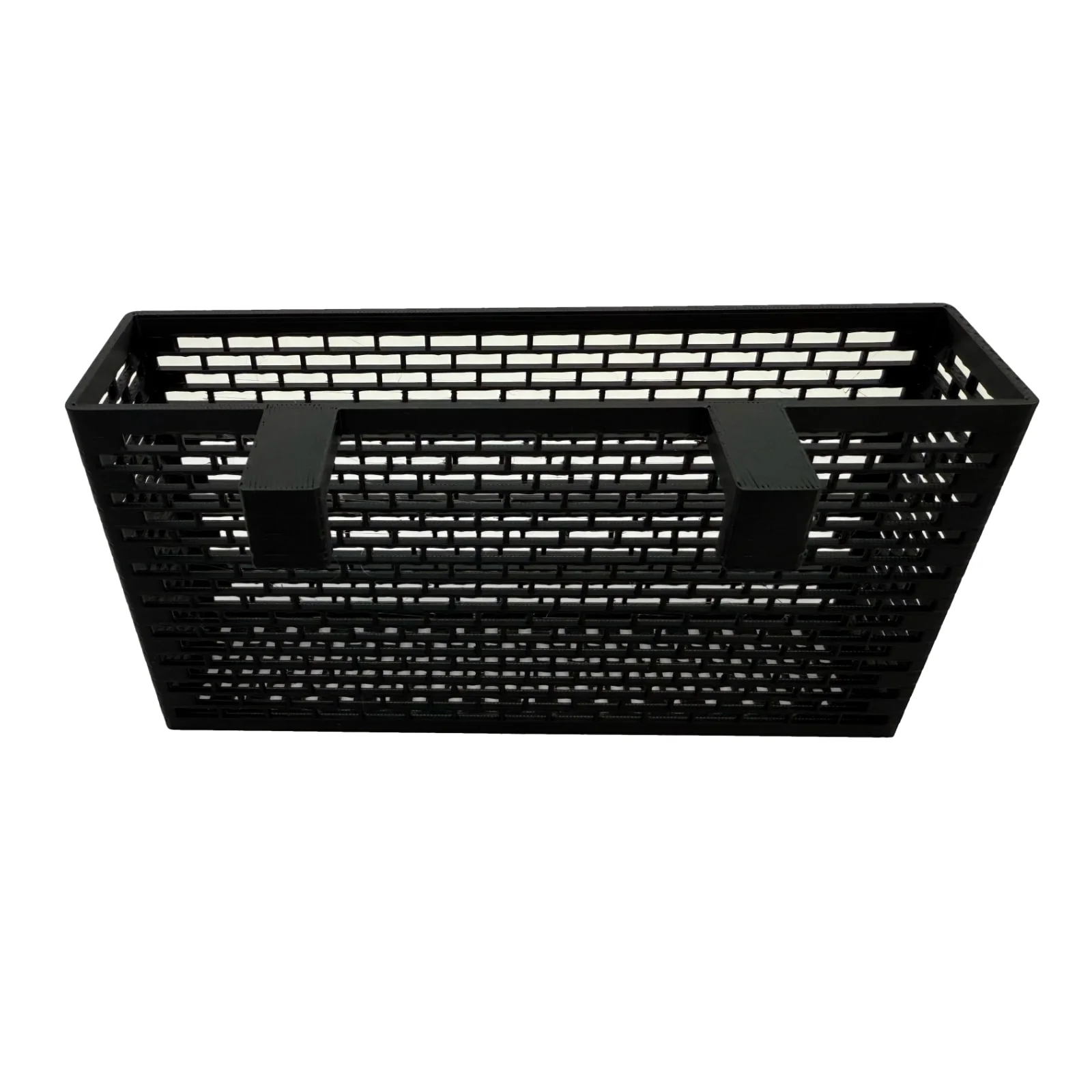
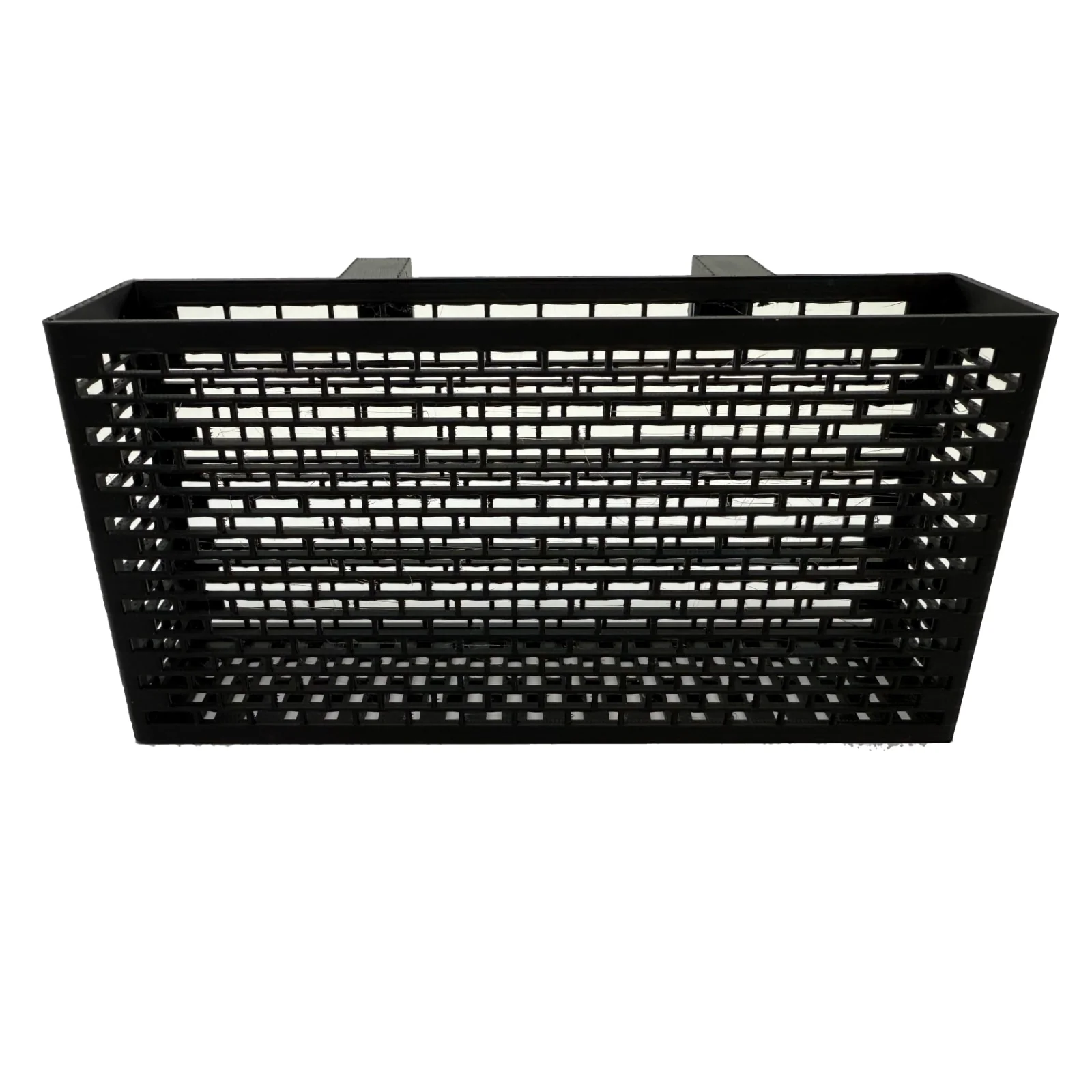
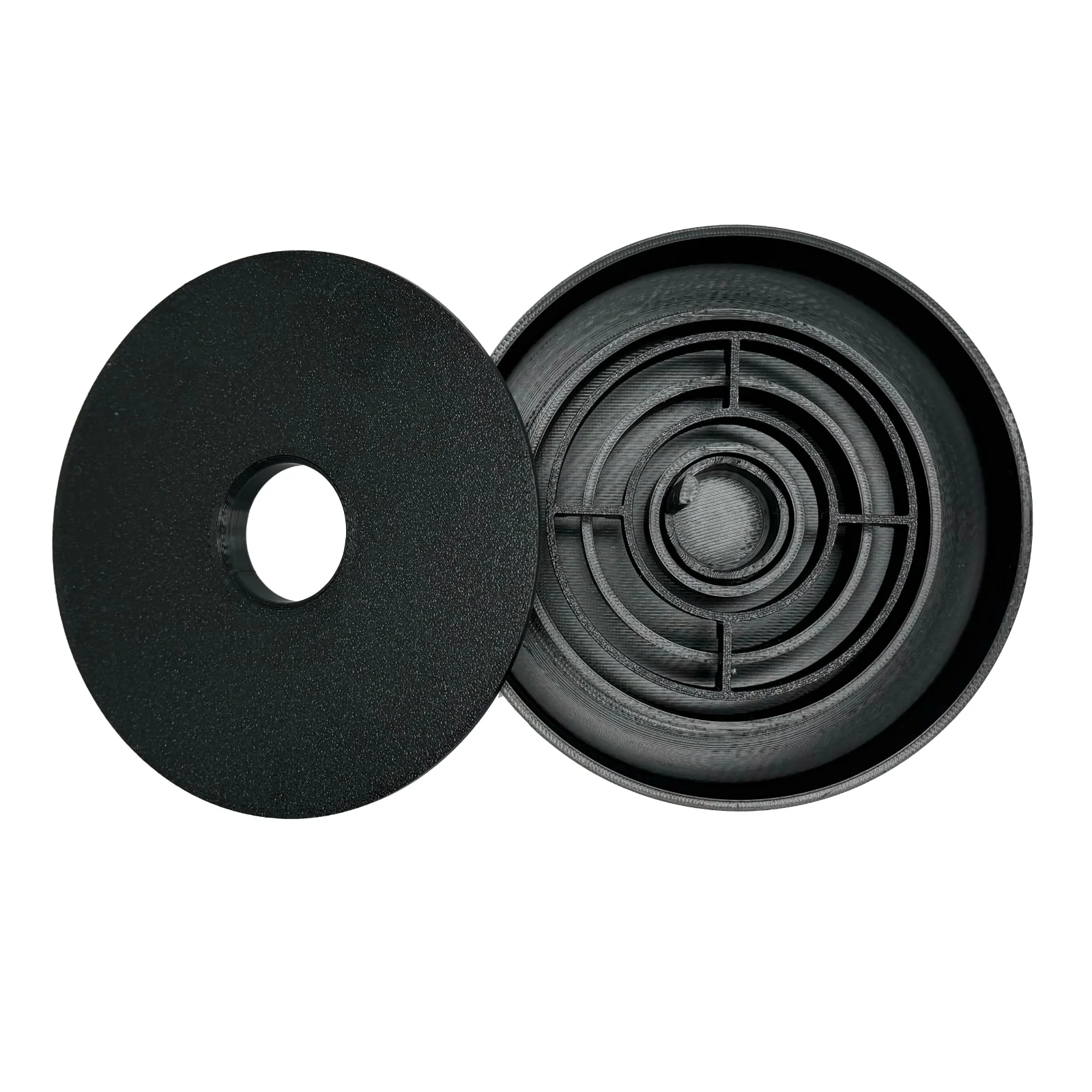
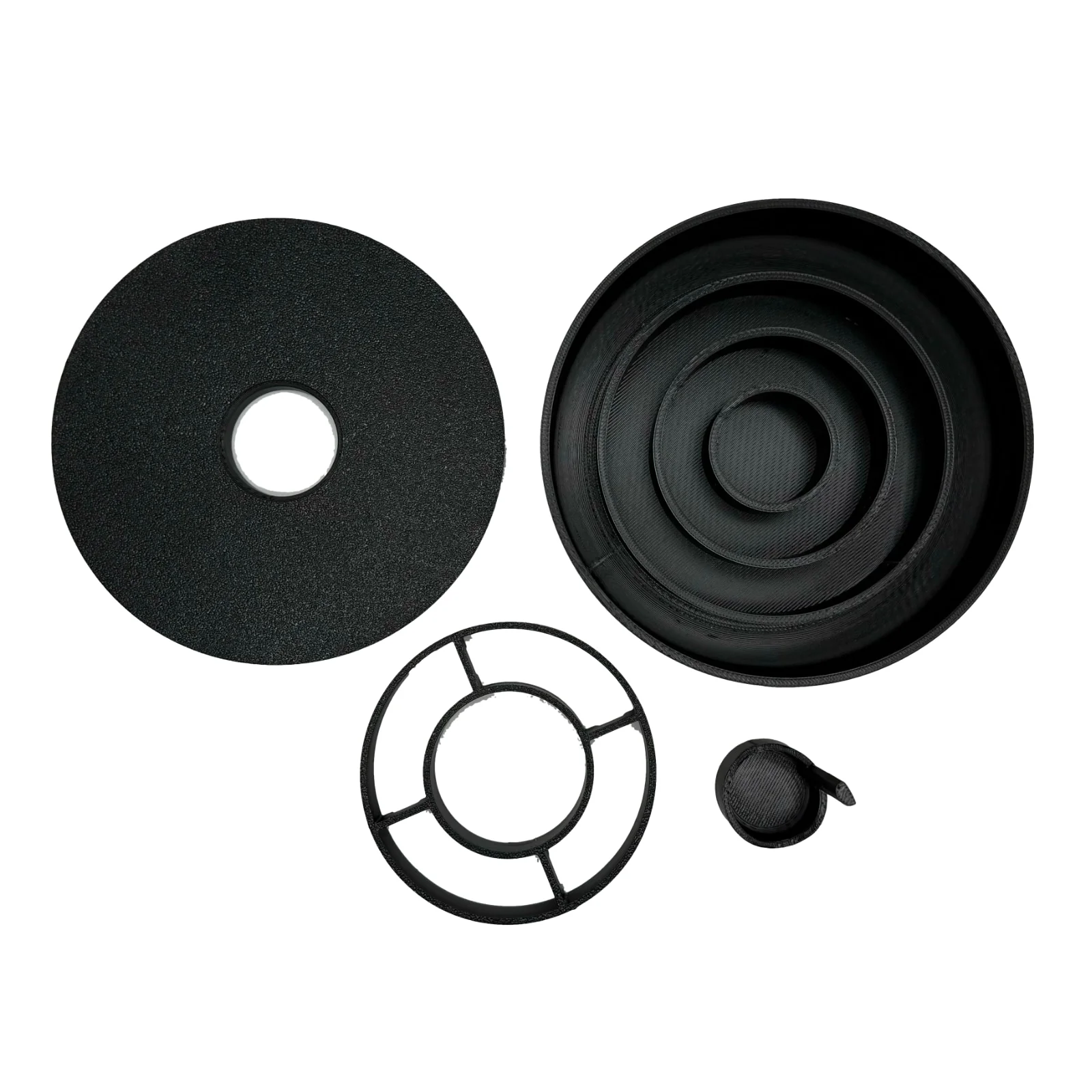
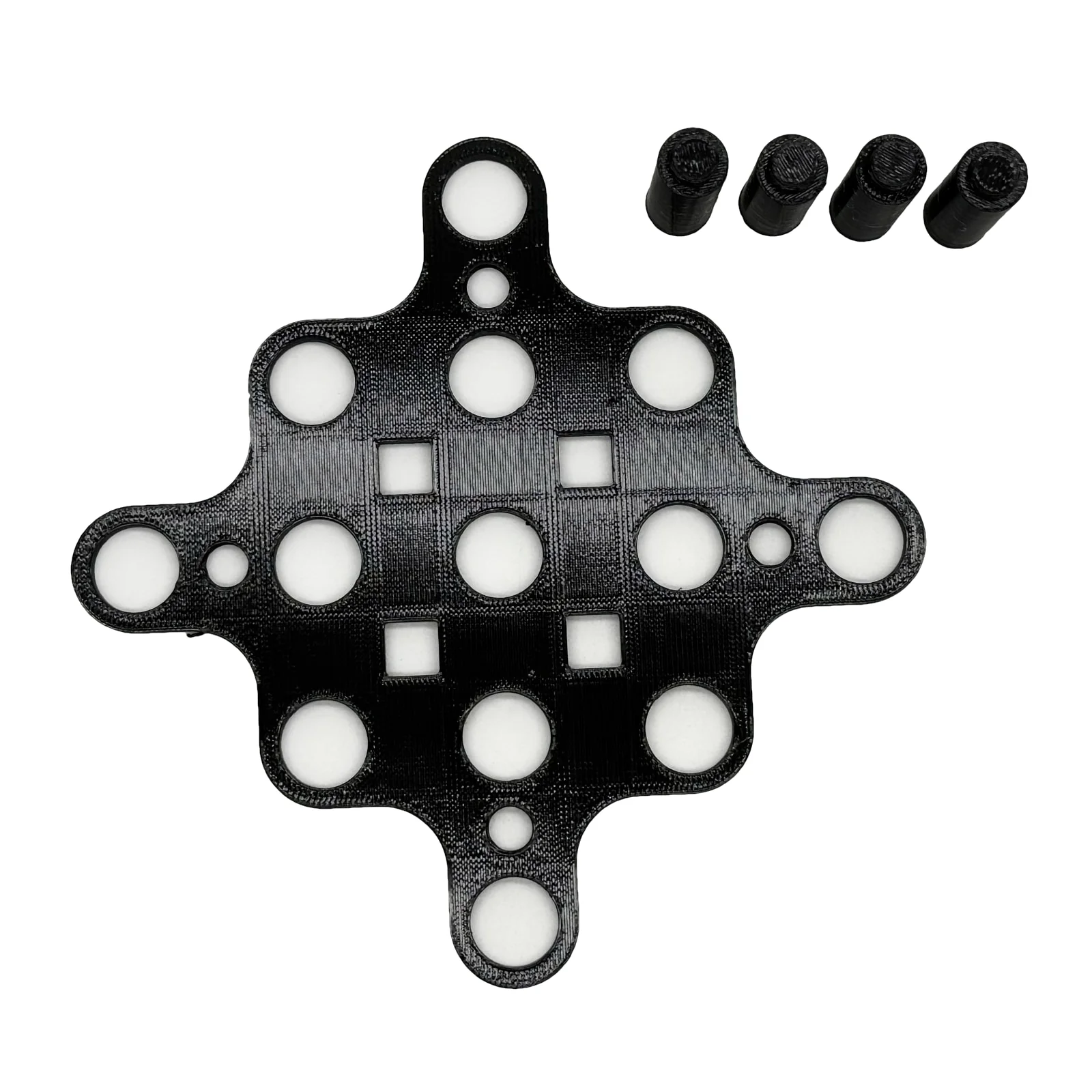
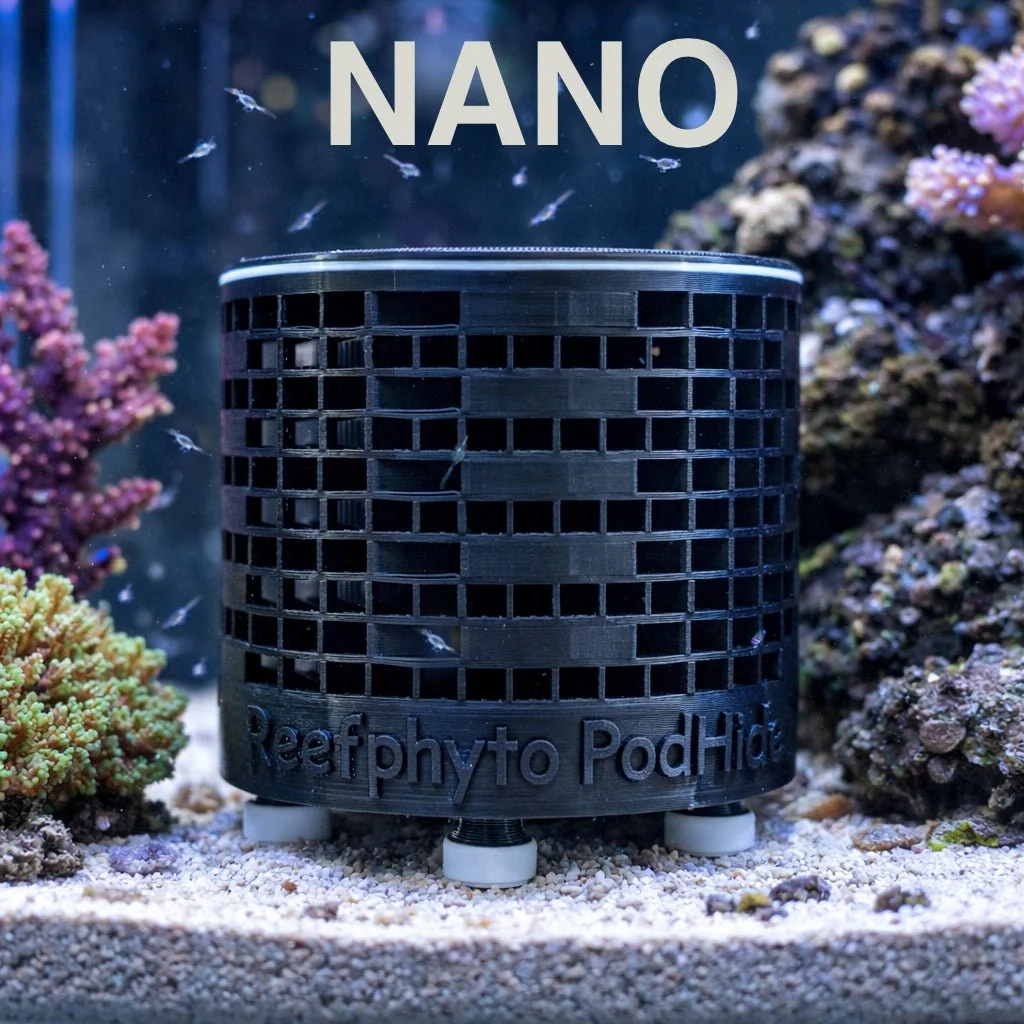
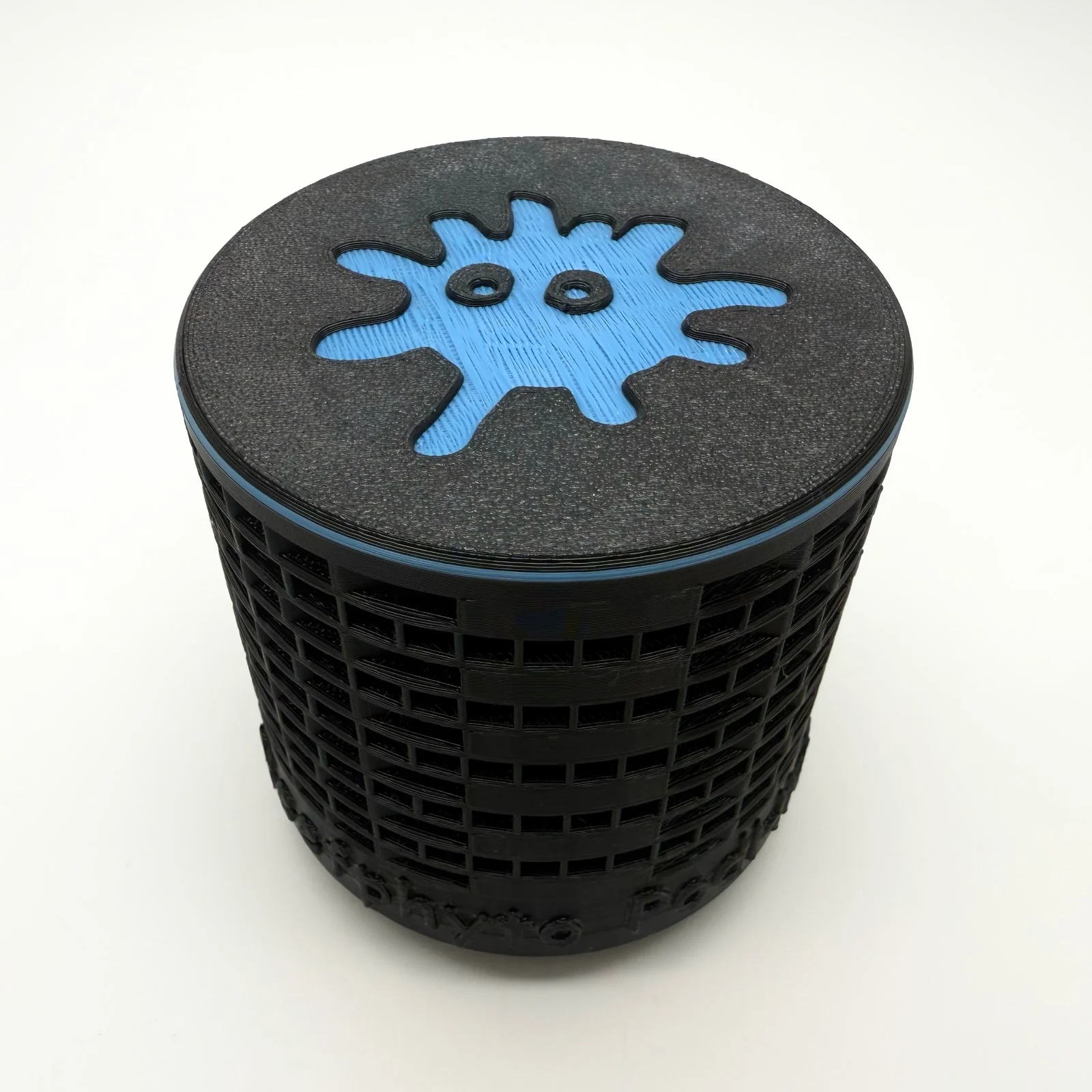
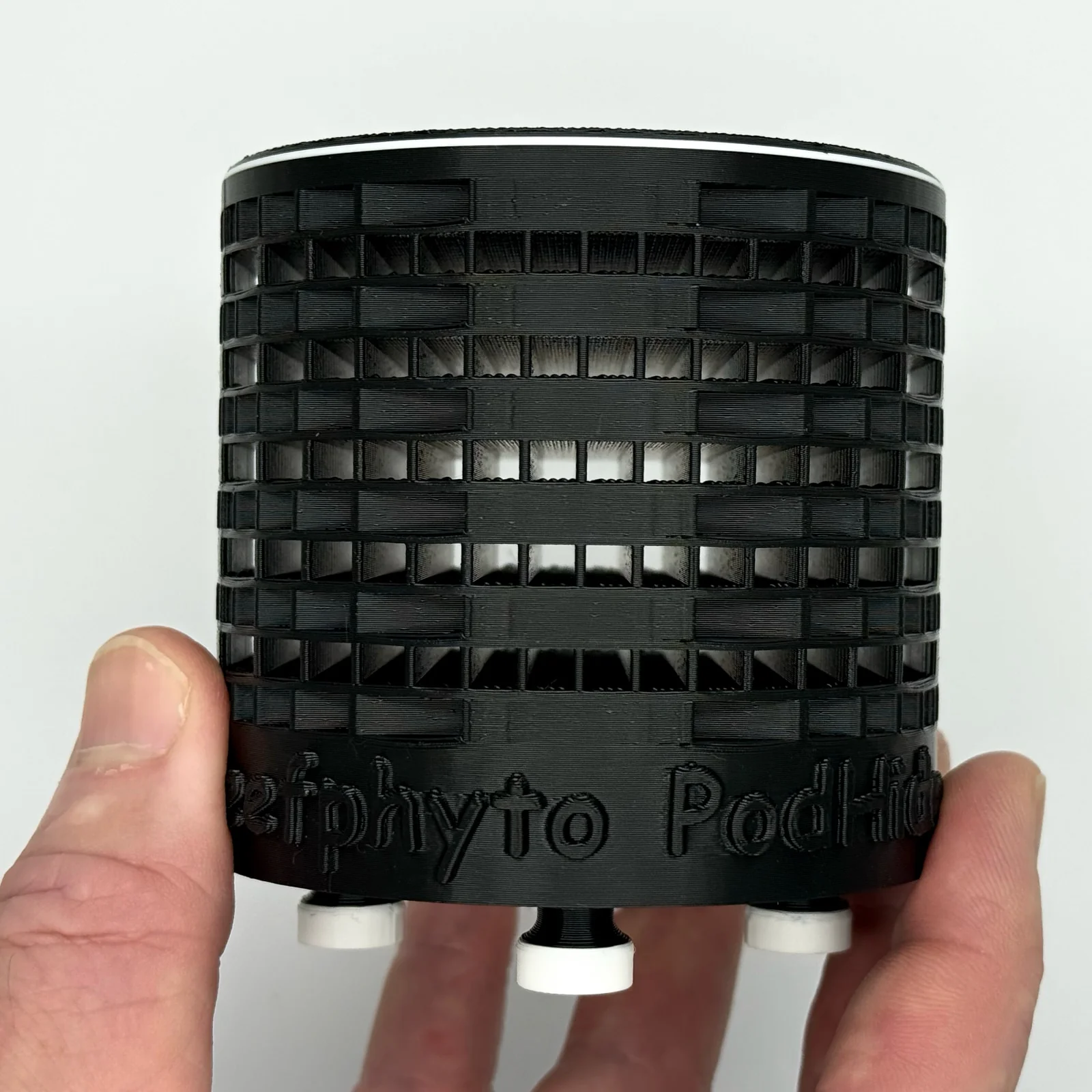
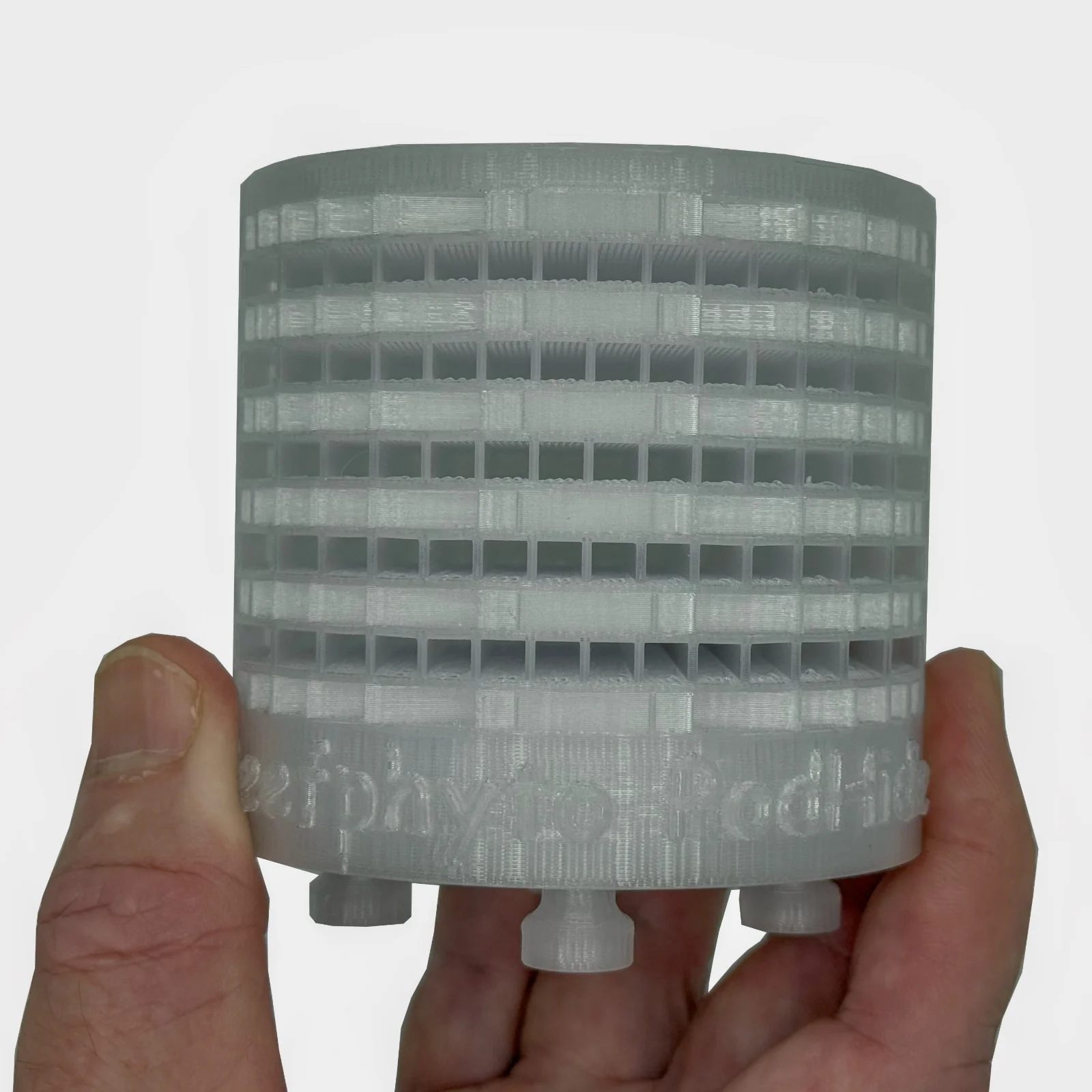
PodHide Nano is a precision 3D printed copepod shelter and breeding station made from reef-safe PETG, designed specifically for smaller tanks, nano systems, sumps, and refugiums. Its multi-hole structure and textured internal surfaces give Tigriopus californicus and other harpacticoid copepods the conditions they need to hide from predators, attach, and breed continuously. Place it in a low-flow area of your sump or refugium and it begins working immediately, converting a single copepod addition into a self-sustaining population that feeds your tank around the clock.
Within weeks, reef keepers with nano systems start seeing something they have not seen before: copepods visibly present on the glass, on rockwork, moving through the water column at lights off. Mandarin dragonets begin hunting with purpose. Finicky wrasses that ignored everything else start picking from the substrate. The tank stops consuming pods and starts producing them.
Reefphyto has been culturing and supplying live copepods since 2008. Darren designed the PodHide range after watching the same pattern repeat, pods introduced, pods gone, keeper frustrated. The Nano version came directly from keeper feedback: the same solution, scaled for the systems where the problem is most acute. If something is not right with your order, contact us directly. We respond personally.
If your nano tank is eating every pod you add before they can establish, PodHide Nano is where the cycle stops.
Why Copepods Keep Disappearing from Smaller Reef Tanks
If you keep a nano reef, you already know the cycle. You order live copepods, add them carefully, and within 48 hours they are gone. Your mandarin is still hunting but not finding. Your wrasses are still picking at the glass but coming up empty. The pods you paid for have been eaten faster than they could reproduce, and you are back where you started.
This is not a problem with the quality of the copepods. It is a problem with the environment they are being introduced into. In a smaller tank, the ratio of predator pressure to available hiding space is simply too high for a newly introduced culture to establish without help. The fish find the pods before the pods find shelter. The population never gets the foothold it needs.
The solution is not adding more copepods more often. The solution is giving the copepods somewhere to go.
What PodHide Nano Does
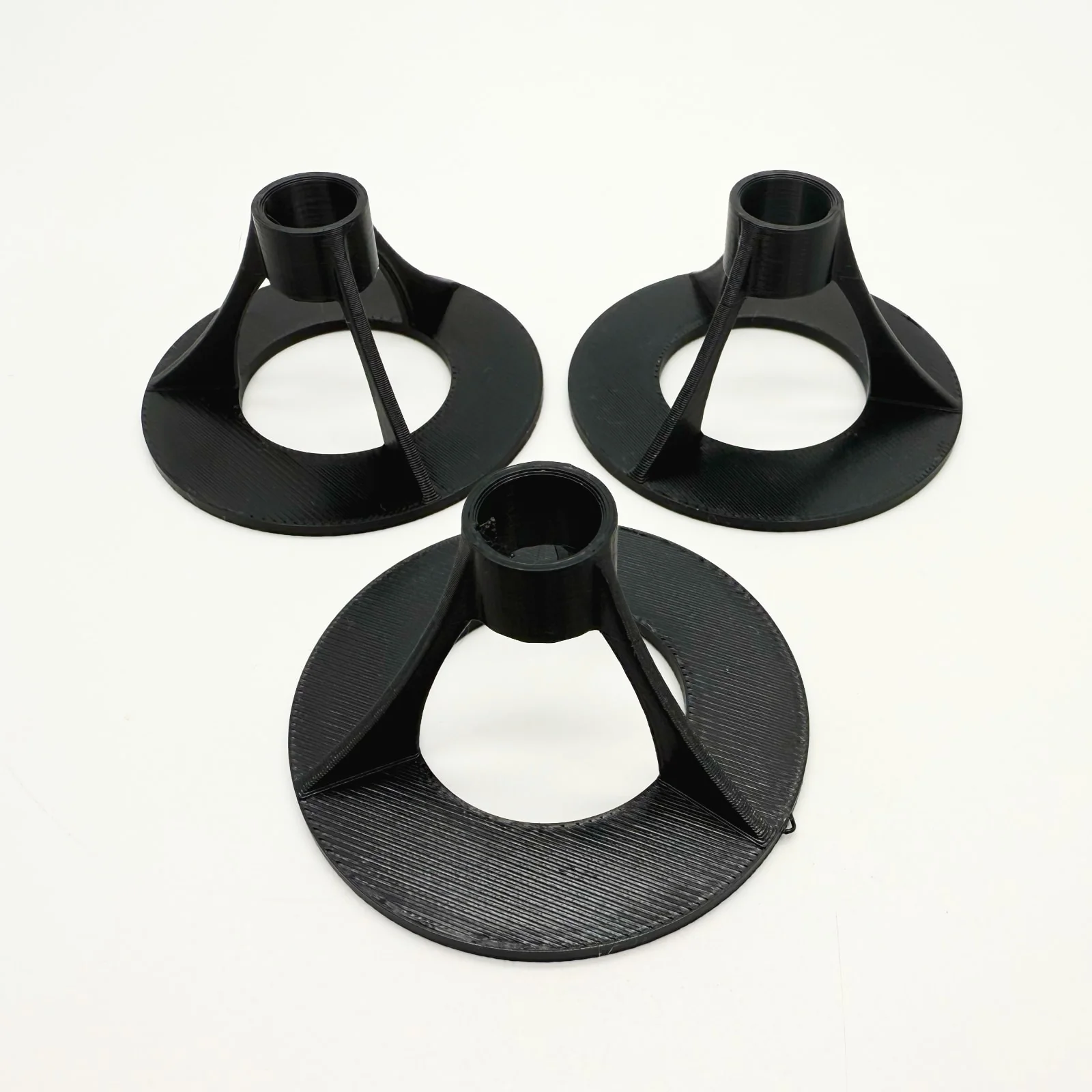
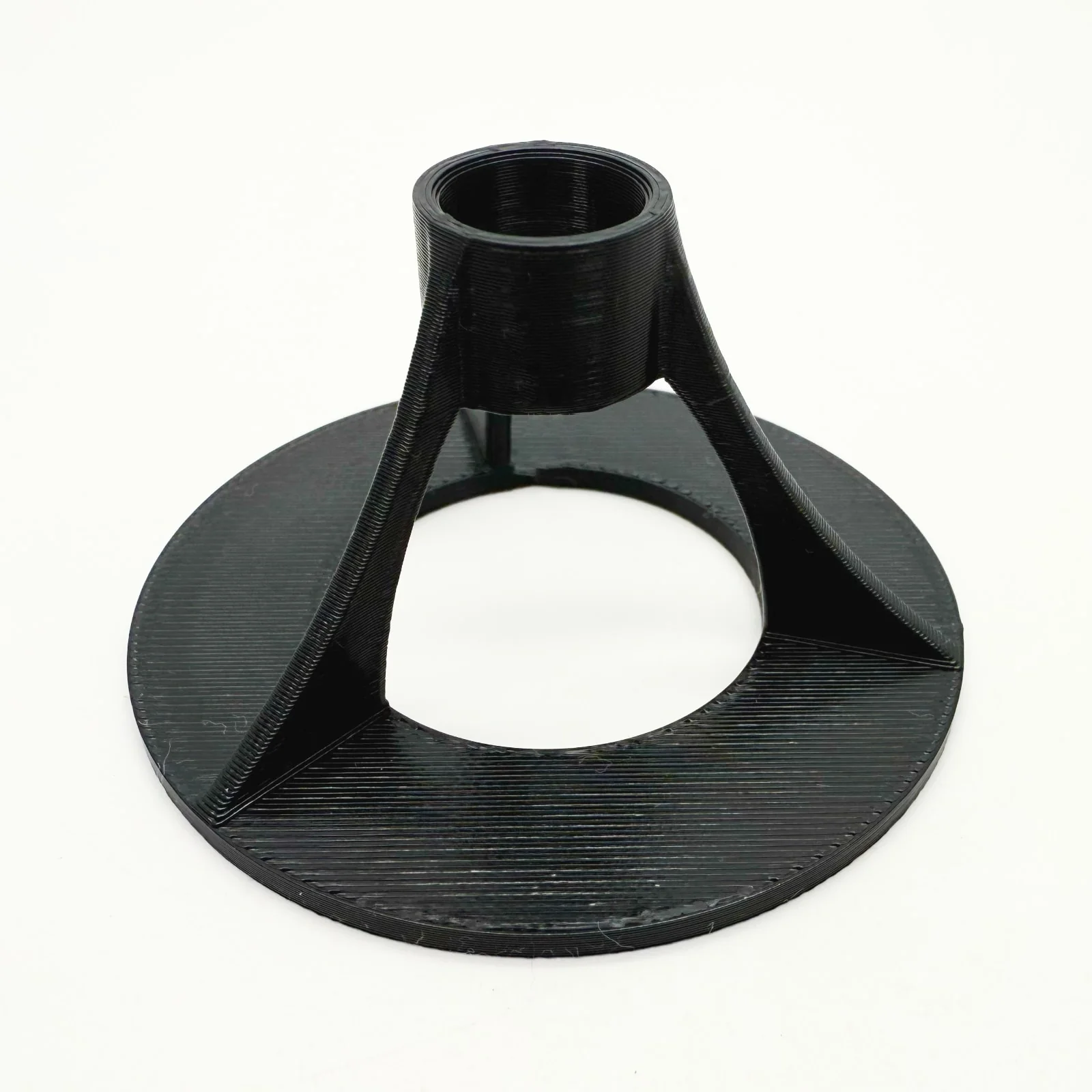
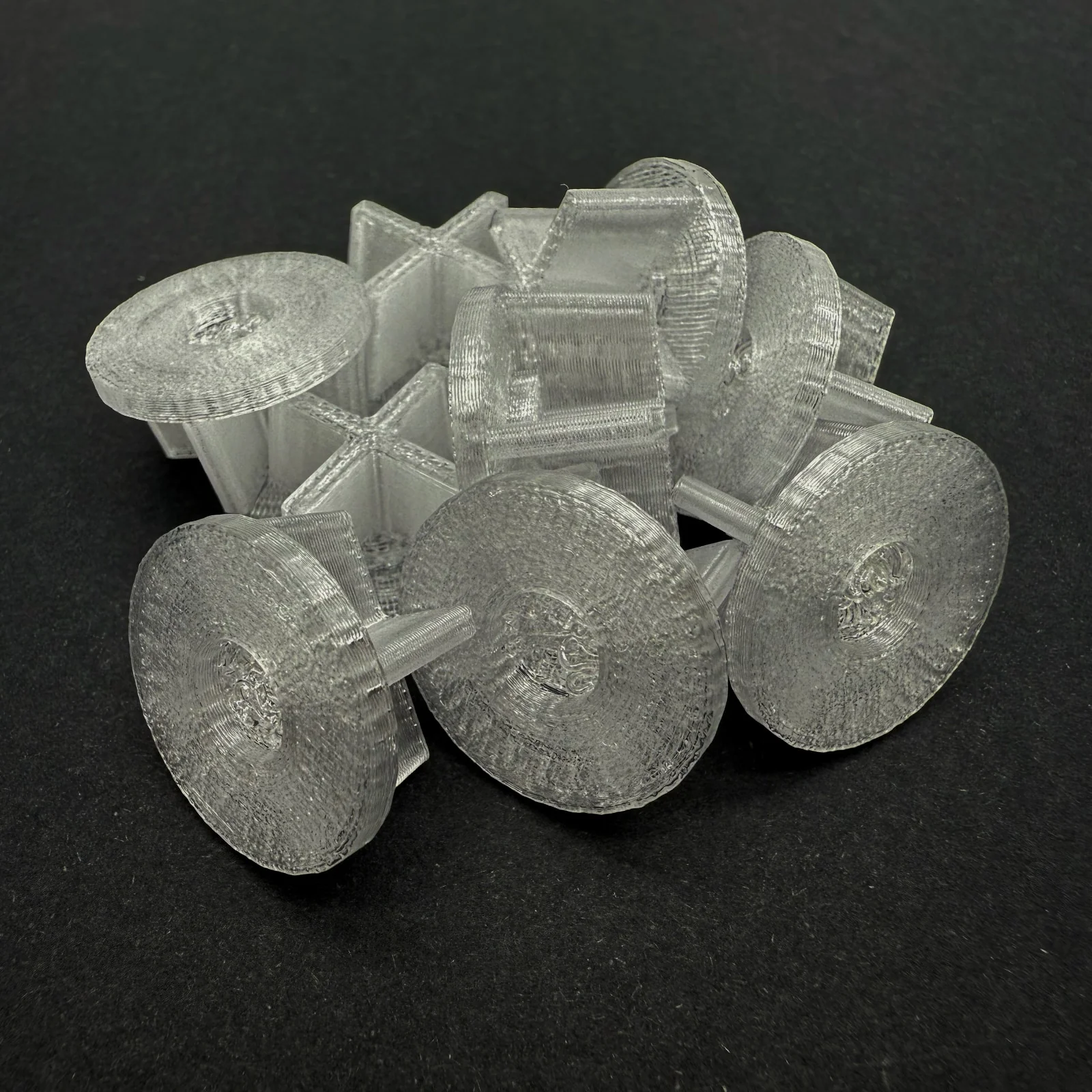
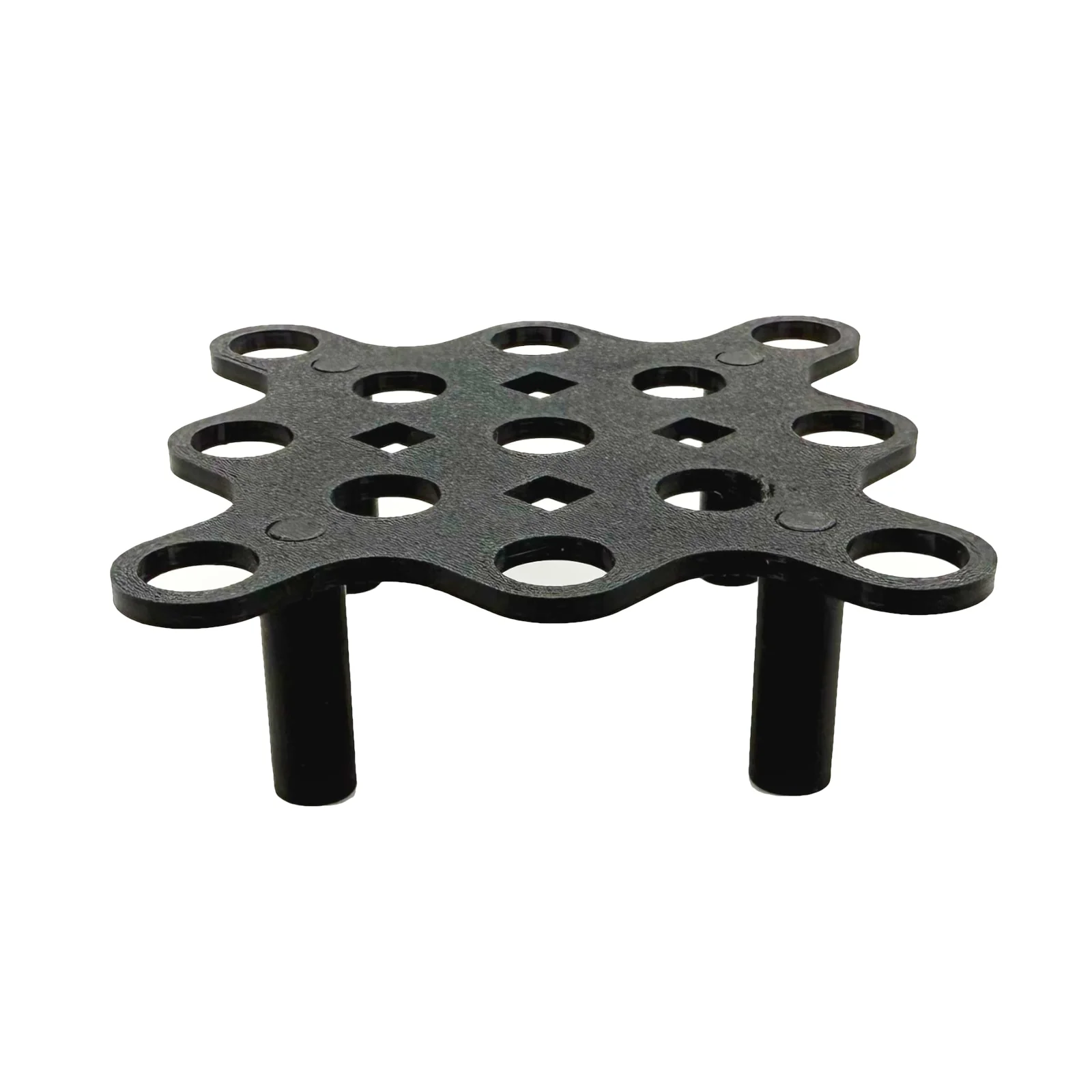
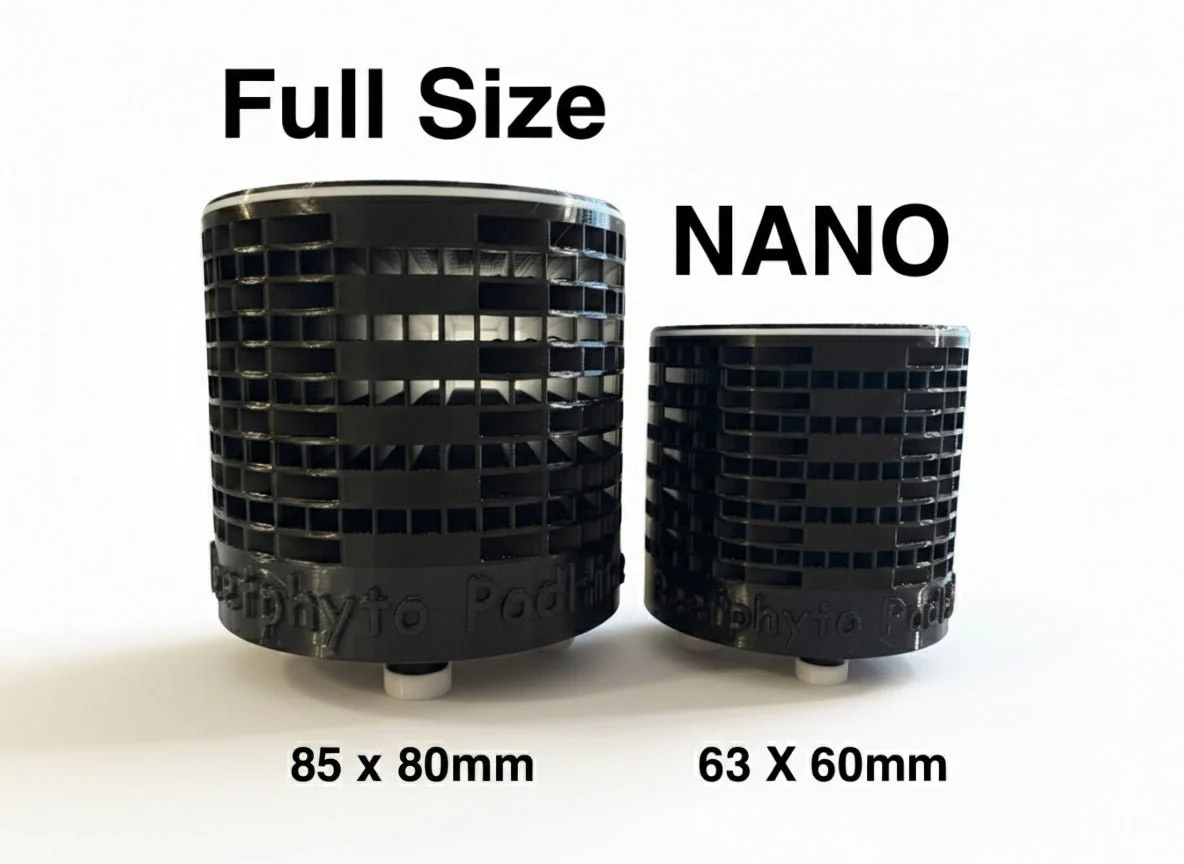
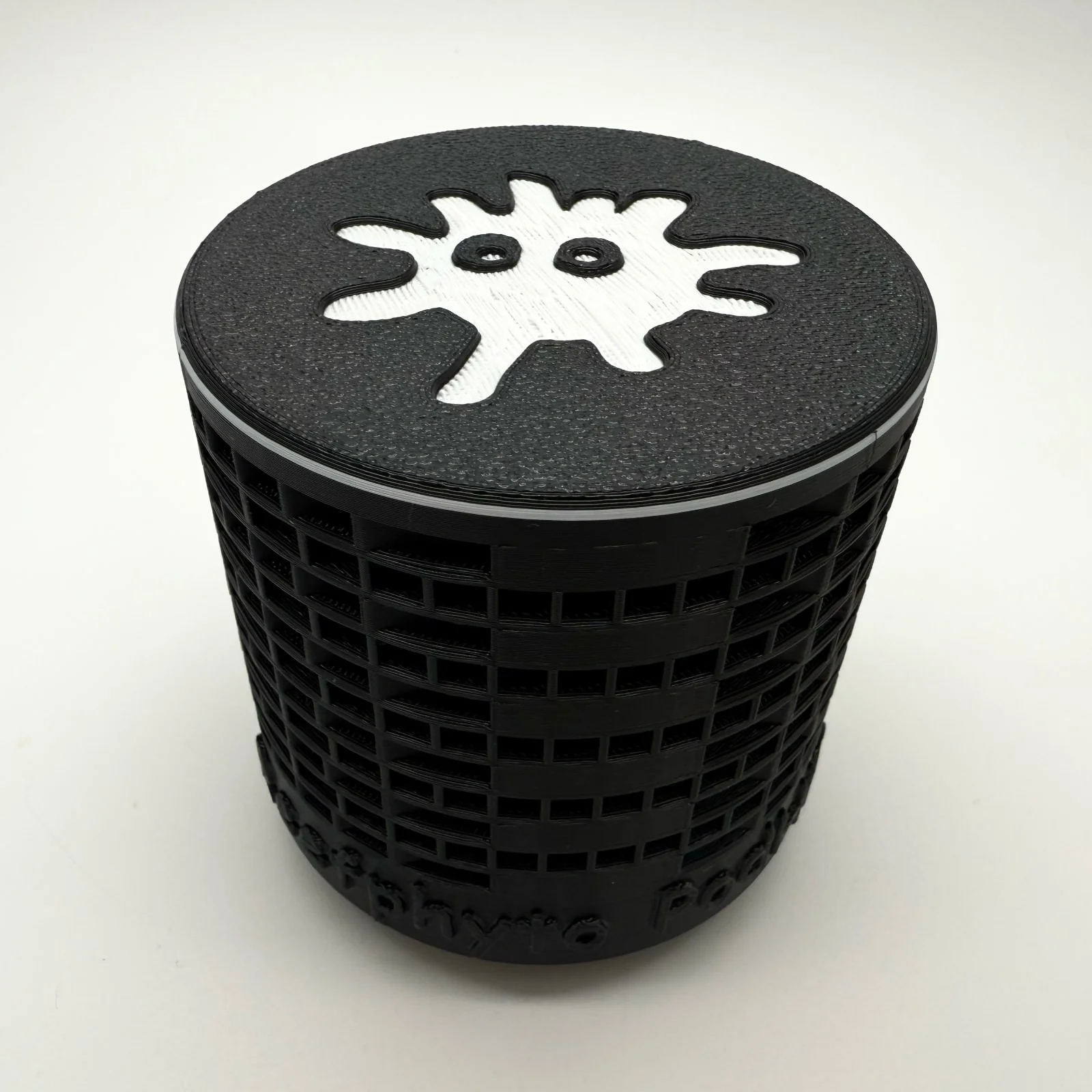
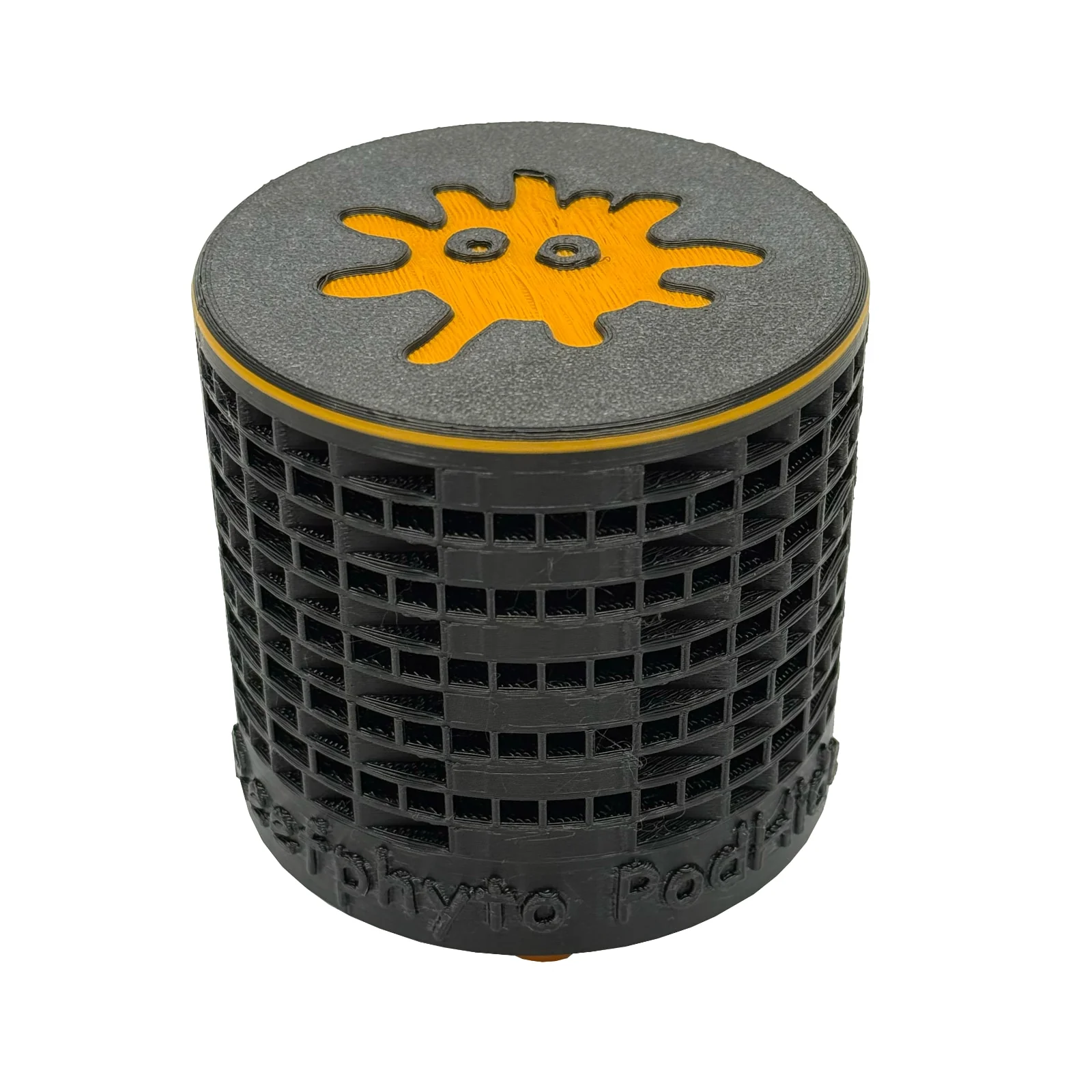
PodHide Nano is a dedicated copepod shelter and breeding station, precision 3D printed from reef-safe PETG and designed specifically for nano tanks, smaller display systems, compact sumps, and refugiums. Its multi-hole structure and textured internal surfaces give copepods the exact conditions they need to hide from predators, attach, and breed continuously. Four stability feet keep the unit secure on sand or glass without movement. At 63mm high by 60mm wide, it fits easily into sumps, nano refugium compartments, and display tank corners where a full-size PodHide would not work.
Place it in a low-flow area. Seed it with your copepod culture using a turkey baster directed into the holes. Then let it work. Copepods find the shelter, reduce their exposure to predation, and begin reproducing in numbers the open tank environment never allowed. Over time, the population grows to the point where pods migrate naturally into the display, providing the continuous live feeding your fish and corals need.
The Right Tool for Nano Systems, Sumps, and Refugiums
The PodHide Nano was developed directly from keeper feedback from smaller system owners. The original PodHide solved the population establishment problem for standard and larger reef tanks. The Nano version brings the same solution to the systems where the challenge is most acute: nano displays of 30 to 100 litres, compact in-sump refugium sections, pico systems, and any setup where space is limited but the need for live zooplankton is just as real.
For mandarin dragonet keepers in particular, a nano system presents a genuine challenge. Mandarins require a constant and substantial copepod supply to maintain condition. In a small tank without a structured breeding population, that demand cannot be met by periodic additions alone. PodHide Nano creates the population density a mandarin needs without requiring a separate large refugium to do it.
For reef keepers running live zooplankton programmes for coral feeding, the same principle applies. A resident copepod population that continuously produces nauplii and adult pods provides a level of live planktonic nutrition that no dosing schedule can replicate. PodHide Nano makes that resident population possible in tanks where it previously was not.
How PodHide Nano Fits Into Your Live Food System
PodHide Nano works best as part of a complete live nutrition approach. Start with a quality live copepod culture to seed the shelter. Add live phytoplankton to your sump or refugium to feed and sustain the copepod population once established. As the population grows, the need for regular re-seeding reduces, and the tank begins to function as a partially self-sustaining live food system.
For keepers who want to supplement an existing PodHide population or accelerate the establishment process, the Pod-Shot concentrated copepod pouch provides a convenient way to top up numbers without the volume of a full culture. The PodHide and Copepod Bundle pairs the shelter directly with a live copepod culture for keepers who want to start both elements together in a single order.
Made In-House, Reef-Safe, Built to Last
Every PodHide Nano is produced in-house at the Reefphyto facility in Wales. We use PETG, a food-safe, chemically inert polymer that is fully stable in saltwater long-term. There are no adhesives, no coatings, and no materials that will leach into your system. Rinse before first use. Place in low flow. Seed with live copepods. There is no maintenance requirement beyond occasional repositioning if you want to encourage more even colonisation across the structure.
Frequently Asked Questions
How long does it take for a copepod population to establish in a PodHide Nano?
Most keepers see visible copepod activity on and around the PodHide within one to two weeks of seeding with a live culture. A fully established, self-sustaining population typically takes four to eight weeks depending on water temperature, flow, phytoplankton availability, and predator pressure. Seeding with a larger initial culture and feeding live phytoplankton accelerates the process considerably.
Can I use PodHide Nano in my display tank rather than a sump?
Yes. In a nano system without a sump, placing PodHide Nano in a low-flow corner or behind rockwork in the display tank is a practical alternative. The shelter will still function as a breeding station, though population establishment may be slower due to higher predator access compared to a dedicated sump or refugium section.
What is the difference between PodHide Nano and the full-size PodHide?
The Nano is designed for smaller tanks, nano systems, compact sumps, and refugiums where space is limited. The full-size PodHide is larger, provides more internal surface area, and is suited to standard and larger reef systems. Both work on the same principle. If you are unsure which is right for your setup, contact Darren directly and he will advise based on your specific system.
Do I need to keep buying copepods if I have a PodHide Nano?
Once a copepod population is fully established, a well-maintained system with live phytoplankton feeding can become largely self-sustaining. Most keepers find that periodic top-ups every four to six weeks in the early stages help build numbers faster, with less frequent additions needed once the population is stable. In heavily stocked tanks with high predator pressure, more regular supplementation may be beneficial.
Is PodHide Nano safe for all reef tank inhabitants?
Yes. PETG is inert in saltwater and safe for fish, corals, invertebrates, and all other reef inhabitants. It does not affect water chemistry and does not degrade over time in a marine environment.
Reefphyto - Live Marine Nutrition from Wales Since 2008
Reefphyto has been culturing and supplying live copepods, phytoplankton, rotifers, and zooplankton to reef keepers, marine fish breeders, and public aquariums across the UK since 2008. The PodHide range was developed in-house because the same problem kept appearing: copepods being added, copepods disappearing, and the nutritional gap that follows. Darren designed the solution based on 16 years of working with live copepod cultures at professional scale. If you have questions about whether PodHide Nano is right for your system, or how to build a complete live food programme around it, contact us directly. Darren reads and responds to every message personally.
Product Information
Product Information
Shipping & Returns
Shipping & Returns
Description
PodHide Nano - Copepod Shelter and Breeding Station for Nano Reef Tanks
You added copepods. Within a few days they were gone. In a smaller tank, that happens fast. There is nowhere for pods to hide, and the fish find them before the population has any chance to establish.
The problem is not the copepods. It is the environment. Without structure and shelter, a newly introduced copepod culture has no refuge from predation, no safe surface to attach to, and no space to reproduce. In a nano system that gap closes even faster than in a larger display. The result is a tank that consumes every pod you add and never builds the self-sustaining population your fish actually need.
PodHide Nano is a precision 3D printed copepod shelter and breeding station made from reef-safe PETG, designed specifically for smaller tanks, nano systems, sumps, and refugiums. Its multi-hole structure and textured internal surfaces give Tigriopus californicus and other harpacticoid copepods the conditions they need to hide from predators, attach, and breed continuously. Place it in a low-flow area of your sump or refugium and it begins working immediately, converting a single copepod addition into a self-sustaining population that feeds your tank around the clock.
Within weeks, reef keepers with nano systems start seeing something they have not seen before: copepods visibly present on the glass, on rockwork, moving through the water column at lights off. Mandarin dragonets begin hunting with purpose. Finicky wrasses that ignored everything else start picking from the substrate. The tank stops consuming pods and starts producing them.
Reefphyto has been culturing and supplying live copepods since 2008. Darren designed the PodHide range after watching the same pattern repeat, pods introduced, pods gone, keeper frustrated. The Nano version came directly from keeper feedback: the same solution, scaled for the systems where the problem is most acute. If something is not right with your order, contact us directly. We respond personally.
If your nano tank is eating every pod you add before they can establish, PodHide Nano is where the cycle stops.
Why Copepods Keep Disappearing from Smaller Reef Tanks
If you keep a nano reef, you already know the cycle. You order live copepods, add them carefully, and within 48 hours they are gone. Your mandarin is still hunting but not finding. Your wrasses are still picking at the glass but coming up empty. The pods you paid for have been eaten faster than they could reproduce, and you are back where you started.
This is not a problem with the quality of the copepods. It is a problem with the environment they are being introduced into. In a smaller tank, the ratio of predator pressure to available hiding space is simply too high for a newly introduced culture to establish without help. The fish find the pods before the pods find shelter. The population never gets the foothold it needs.
The solution is not adding more copepods more often. The solution is giving the copepods somewhere to go.
What PodHide Nano Does
PodHide Nano is a dedicated copepod shelter and breeding station, precision 3D printed from reef-safe PETG and designed specifically for nano tanks, smaller display systems, compact sumps, and refugiums. Its multi-hole structure and textured internal surfaces give copepods the exact conditions they need to hide from predators, attach, and breed continuously. Four stability feet keep the unit secure on sand or glass without movement. At 63mm high by 60mm wide, it fits easily into sumps, nano refugium compartments, and display tank corners where a full-size PodHide would not work.
Place it in a low-flow area. Seed it with your copepod culture using a turkey baster directed into the holes. Then let it work. Copepods find the shelter, reduce their exposure to predation, and begin reproducing in numbers the open tank environment never allowed. Over time, the population grows to the point where pods migrate naturally into the display, providing the continuous live feeding your fish and corals need.
The Right Tool for Nano Systems, Sumps, and Refugiums
The PodHide Nano was developed directly from keeper feedback from smaller system owners. The original PodHide solved the population establishment problem for standard and larger reef tanks. The Nano version brings the same solution to the systems where the challenge is most acute: nano displays of 30 to 100 litres, compact in-sump refugium sections, pico systems, and any setup where space is limited but the need for live zooplankton is just as real.
For mandarin dragonet keepers in particular, a nano system presents a genuine challenge. Mandarins require a constant and substantial copepod supply to maintain condition. In a small tank without a structured breeding population, that demand cannot be met by periodic additions alone. PodHide Nano creates the population density a mandarin needs without requiring a separate large refugium to do it.
For reef keepers running live zooplankton programmes for coral feeding, the same principle applies. A resident copepod population that continuously produces nauplii and adult pods provides a level of live planktonic nutrition that no dosing schedule can replicate. PodHide Nano makes that resident population possible in tanks where it previously was not.
How PodHide Nano Fits Into Your Live Food System
PodHide Nano works best as part of a complete live nutrition approach. Start with a quality live copepod culture to seed the shelter. Add live phytoplankton to your sump or refugium to feed and sustain the copepod population once established. As the population grows, the need for regular re-seeding reduces, and the tank begins to function as a partially self-sustaining live food system.
For keepers who want to supplement an existing PodHide population or accelerate the establishment process, the Pod-Shot concentrated copepod pouch provides a convenient way to top up numbers without the volume of a full culture. The PodHide and Copepod Bundle pairs the shelter directly with a live copepod culture for keepers who want to start both elements together in a single order.
Made In-House, Reef-Safe, Built to Last
Every PodHide Nano is produced in-house at the Reefphyto facility in Wales. We use PETG, a food-safe, chemically inert polymer that is fully stable in saltwater long-term. There are no adhesives, no coatings, and no materials that will leach into your system. Rinse before first use. Place in low flow. Seed with live copepods. There is no maintenance requirement beyond occasional repositioning if you want to encourage more even colonisation across the structure.
Frequently Asked Questions
How long does it take for a copepod population to establish in a PodHide Nano?
Most keepers see visible copepod activity on and around the PodHide within one to two weeks of seeding with a live culture. A fully established, self-sustaining population typically takes four to eight weeks depending on water temperature, flow, phytoplankton availability, and predator pressure. Seeding with a larger initial culture and feeding live phytoplankton accelerates the process considerably.
Can I use PodHide Nano in my display tank rather than a sump?
Yes. In a nano system without a sump, placing PodHide Nano in a low-flow corner or behind rockwork in the display tank is a practical alternative. The shelter will still function as a breeding station, though population establishment may be slower due to higher predator access compared to a dedicated sump or refugium section.
What is the difference between PodHide Nano and the full-size PodHide?
The Nano is designed for smaller tanks, nano systems, compact sumps, and refugiums where space is limited. The full-size PodHide is larger, provides more internal surface area, and is suited to standard and larger reef systems. Both work on the same principle. If you are unsure which is right for your setup, contact Darren directly and he will advise based on your specific system.
Do I need to keep buying copepods if I have a PodHide Nano?
Once a copepod population is fully established, a well-maintained system with live phytoplankton feeding can become largely self-sustaining. Most keepers find that periodic top-ups every four to six weeks in the early stages help build numbers faster, with less frequent additions needed once the population is stable. In heavily stocked tanks with high predator pressure, more regular supplementation may be beneficial.
Is PodHide Nano safe for all reef tank inhabitants?
Yes. PETG is inert in saltwater and safe for fish, corals, invertebrates, and all other reef inhabitants. It does not affect water chemistry and does not degrade over time in a marine environment.
Reefphyto - Live Marine Nutrition from Wales Since 2008
Reefphyto has been culturing and supplying live copepods, phytoplankton, rotifers, and zooplankton to reef keepers, marine fish breeders, and public aquariums across the UK since 2008. The PodHide range was developed in-house because the same problem kept appearing: copepods being added, copepods disappearing, and the nutritional gap that follows. Darren designed the solution based on 16 years of working with live copepod cultures at professional scale. If you have questions about whether PodHide Nano is right for your system, or how to build a complete live food programme around it, contact us directly. Darren reads and responds to every message personally.